Triple-Hormone Strike: Retatrutide Nears Surgical Results
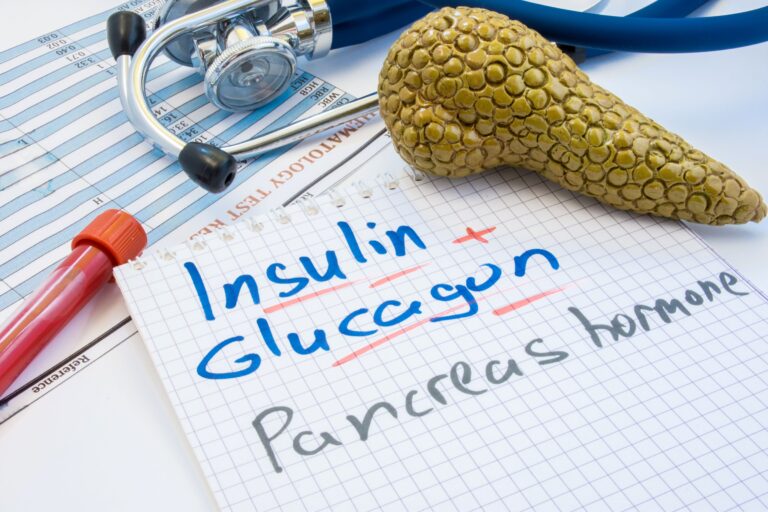
Key Takeaway: In a Phase 3 randomized controlled trial, the triple-hormone receptor agonist retatrutide lowered HbA1c levels by approximately 2 points and reduced body weight by over 15% in adults with Type 2 diabetes. Furthermore, these results were achieved in just 40 weeks without a single case of severe hypoglycemia. These findings herald a paradigm shift in metabolic medicine, achieving levels of glycemic control and weight loss once thought possible only through surgical intervention.
A Pharmacological Approach That Challenges Surgery
As a physician, imagine sitting across from a patient who has tried Metformin, adjusted their diet, and started walking every evening, only to watch their blood sugar continue to rise helplessly. This could also be a patient on insulin, the burden of daily injections reflected on their face, struggling with occasional hypoglycemic episodes. No matter how many times you explain that insulin protects them from the ravages of diabetes, you’ve likely had moments where it was difficult to be convincing[2].
You’ve had this conversation hundreds of times. Now, imagine telling that same patient about a once-weekly injection that, in a rigorously conducted clinical trial, not only lowered a key indicator of diabetes by nearly two full points but also enabled participants to lose more than 15% of their body weight in less than a year. This conversation is no longer hypothetical. A groundbreaking Phase 3 study of retatrutide has produced results so striking they deserve the attention of everyone following the course of metabolic medicine[1].
Study Details: 537 Patients, 40 Weeks, Unequivocal Results
The study enrolled 537 adults with Type 2 diabetes whose blood sugar remained inadequately controlled despite lifestyle modifications (diet and exercise alone). Participants were randomized to receive various doses of retatrutide or a placebo and were followed for 40 weeks. The primary endpoint was the change in HbA1c, the gold-standard metric reflecting average blood glucose over the preceding two to three months.
At the highest dose of 12 milligrams, the results were extraordinary. The mean HbA1c decreased by 1.94 points from baseline, compared to just a 0.81-point drop in the placebo group—a statistically significant difference of 1.12 points (p<0.0001)[1]. To put this in perspective, many widely used diabetes medications lower HbA1c by 0.5 to 1.0 points[3]. A reduction of nearly two points from a single agent is an almost unprecedented achievement in monotherapy trials.
The weight loss was equally remarkable. Participants receiving the 12-milligram dose lost an average of 15.3% of their body weight, compared to 2.6% in the placebo arm. Weight loss of this magnitude begins to intersect with outcomes seen after bariatric surgical procedures like sleeve gastrectomy, which typically yields a 20-30% total body weight loss in one year[4]. In a critical finding, the study reported no cases of severe hypoglycemia—the dangerous drops in blood sugar that shadow many diabetes treatments. Adverse events consisted primarily of mild-to-moderate gastrointestinal symptoms, such as nausea, diarrhea, and decreased appetite, consistent with the known side-effect profile of incretin-based drugs[5].
Mechanism of Action: Why Three Hormones Are Better Than One
To understand why retatrutide’s results are so dramatic, one must grasp the hormonal orchestra that governs metabolism. Most readers are now familiar with GLP-1 receptor agonists like semaglutide and liraglutide, which mimic the gut hormone glucagon-like peptide-1. GLP-1 stimulates glucose-dependent insulin secretion from pancreatic beta cells, slows gastric emptying, and acts on the brain to reduce appetite[6]. These drugs have revolutionized diabetes care over the past decade.
Next came dual agonists like tirzepatide, which added activation of the glucose-dependent insulinotropic polypeptide (GIP) receptor. GIP, another incretin hormone released from the gut after meals, enhances insulin secretion and appears to improve fat metabolism through mechanisms not yet fully elucidated[7]. This dual action of tirzepatide has produced HbA1c reductions and weight loss that have surpassed single-agonist drugs in head-to-head trials[8].
Retatrutide takes the next logical step. The molecule is a triple agonist, simultaneously activating GLP-1, GIP, and glucagon receptors. The addition of glucagon receptor activation is the critical innovation here. Glucagon, produced by pancreatic alpha cells, has long been viewed primarily as a counter-regulatory hormone that raises blood sugar. However, glucagon also has potent effects on energy expenditure and hepatic lipid metabolism. Activating the glucagon receptor increases resting energy expenditure (meaning the body burns more calories at rest) and promotes the breakdown of fat stored in the liver[9]. In a disease where fatty liver is both a consequence and a driver of insulin resistance, this third mechanism attacks metabolic dysfunction from an angle that GLP-1 and GIP alone cannot reach.
The net effect is a three-pronged assault on the pathophysiology of Type 2 diabetes: enhanced insulin secretion, reduced caloric intake via appetite suppression and delayed gastric emptying, and increased energy expenditure with improved hepatic fat clearance. Each of these mechanisms potentiates the others, which likely explains why the combined glycemic and weight loss outcomes exceed what any single or dual agonist therapy has achieved.
Notable Limitations
No single study, however impressive, can classically define an entire course of treatment. The 40-week duration, while sufficient to demonstrate efficacy, cannot answer long-term safety questions regarding cardiovascular outcomes, pancreatitis risk, and the durability of weight loss beyond one year. The study population excluded patients using insulin or other glucose-lowering drugs, meaning we do not yet know how retatrutide will perform in combination regimens that reflect real-world practice. Furthermore, though mostly mild, gastrointestinal side effects led some participants to discontinue the drug, and its tolerability in broader, more diverse populations will require further study. It also remains unclear what will happen if the drug is discontinued. The Phase 3 data is a critical milestone, but regulatory approval and post-marketing surveillance will ultimately determine retatrutide’s place in clinical practice.
Implications for Clinical Practice
For the millions of individuals with Type 2 diabetes who struggle to meet glycemic targets despite their best efforts, retatrutide represents something entirely new—not a modest iteration on existing therapies, but a mechanistic leap. The prospect of achieving near-surgical levels of weight loss combined with profound blood sugar reduction, without the anatomical permanence and perioperative risks of bariatric surgery, could redefine the treatment algorithms for metabolic diseases.
If subsequent trials confirm these findings and regulatory agencies grant approval, retatrutide could become a cornerstone of a treatment paradigm where the goal is no longer just to manage Type 2 diabetes but to potentially send it into remission. This is a conversation that both clinicians and patients would be wise to start preparing for. GLP-1 agonists are revolutionizing treatment. Numerous studies are underway in this field. With the development of oral medications and decreasing prices, a large number of patients will be able to access these drugs, marking a significant milestone in the treatment of chronic diseases.
Scientific Sources
- Bajaj HS, et al. Efficacy and safety of retatrutide, a GIP, GLP-1, and glucagon receptor agonist, in people with type 2 diabetes and inadequate glycaemic control with diet and exercise (TRANSCEND-T2D-1): a double-blind, randomised, phase 3 trial. Lancet (London, England). 2026;407(10546):2402-2413. PubMed: https://pubmed.ncbi.nlm.nih.gov/42250575/
- Nathan DM, et al. The effect of intensive treatment of diabetes on the development and progression of long-term complications in insulin-dependent diabetes mellitus. N Engl J Med. 1993;329(14):977-986.
- Inzucchi SE, et al. Management of hyperglycemia in type 2 diabetes, 2015: a patient-centered approach: update to a position statement of the American Diabetes Association and the European Association for the Study of Diabetes. Diabetes Care. 2015;38(1):140-149.
- Schauer PR, et al. Bariatric surgery versus intensive medical therapy for diabetes — 5-year outcomes. N Engl J Med. 2017;376(7):641-651.
- Nauck MA, et al. GLP-1 receptor agonists in the treatment of type 2 diabetes — state-of-the-art. Mol Metab. 2021;46:101102.
- Drucker DJ. Mechanisms of action and therapeutic application of glucagon-like peptide-1. Cell Metab. 2018;27(4):740-756.
- Campbell JE, et al. Pharmacology, physiology, and mechanisms of incretin hormone action. Cell Metab. 2013;17(6):819-837.
- Frías JP, et al. Tirzepatide versus semaglutide once weekly in patients with type 2 diabetes. N Engl J Med. 2021;385(6):503-515.
- Day JW, et al. A new glucagon and GLP-1 co-agonist eliminates obesity in rodents. Nat Chem Biol. 2009;5(10):749-757.
Medically reviewed by
Dr. Şekip Altunkan
Dr. Şekip Altunkan is an internal medicine specialist with extensive clinical experience. He trained at Hacettepe University Faculty of Medicine and later served as an Associate Professor in Internal Medicine. He founded and led the Metropol Internal Medicine and Hypertension Clinic in Ankara, pioneering non-invasive Electron Beam Tomography (EBT) cardiac imaging, arterial-stiffness measurement, and nationwide Holter monitoring. He currently practices at his private clinic in Ankara, focusing on hypertension, vascular health, cholesterol, diabetes and heart disease. He has published widely in national and international journals, serves as a peer reviewer for several international journals, and is the author of the book "Questions and Answers on Hypertension."