#metabolic_health_diabetes

Seeing the Spike: CGMs Cut A1c Without Insulin
Medically Reviewed by Dr. Şekip Altunkan on Oct 29, 2026.
Medical illustration from Vitals Daily

Key Takeaway

In a 26-week randomized trial of 283 adults with type 2 diabetes who were not taking insulin, wearing a continuous glucose monitor lowered A1c by 0.9 percentage points more than routine primary care. Time spent in the healthy glucose range rose by 21 percentage points, with no severe low blood sugar episodes. The findings suggest that real-time glucose feedback deserves a place well beyond insulin users.

The Morning Oatmeal That Wasn’t So Innocent

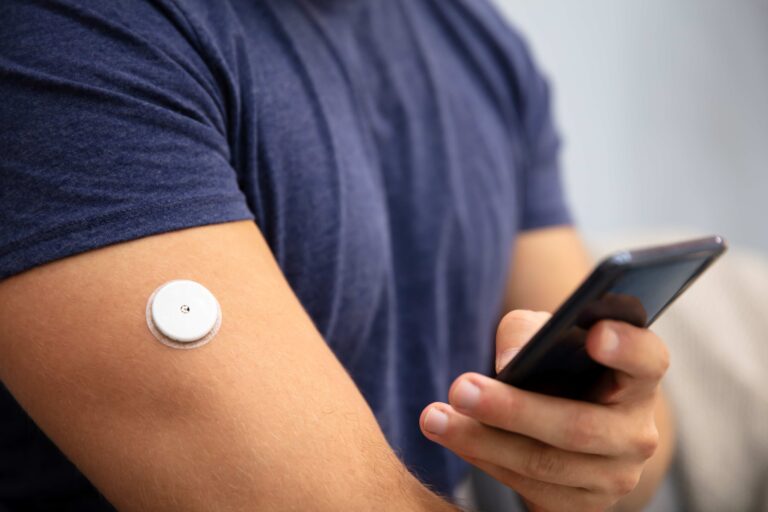
Picture a 58-year-old bus mechanic, diagnosed with type 2 diabetes six years ago, taking metformin and a second pill. Every 3 months his doctor reads him a number, his A1c, and every 3 months it hovers stubbornly near 9%. He eats what he thinks is a healthy breakfast: instant oatmeal, a banana, orange juice. Then, for the first time, he wears a small sensor on the back of his arm. By 9 a.m. his phone shows his glucose climbing past 250 mg/dL. Nobody lectured him. He simply saw it.

That moment of seeing is what a new multicenter trial set out to measure. For years, continuous glucose monitors, or CGMs, have been considered standard equipment for people with type 1 diabetes, while their use in type…

Medically reviewed by

Dr. Şekip Altunkan

Dr. Şekip Altunkan is an internal medicine specialist with extensive clinical experience. He trained at Hacettepe University Faculty of Medicine and later served as an Associate Professor in Internal Medicine. He founded and led the Metropol Internal Medicine and Hypertension Clinic in Ankara, pioneering non-invasive Electron Beam Tomography (EBT) cardiac imaging, arterial-stiffness measurement, and nationwide Holter monitoring. He currently practices at his private clinic in Ankara, focusing on hypertension, vascular health, cholesterol, diabetes and heart disease. He has published widely in national and international journals, serves as a peer reviewer for several international journals, and is the author of the book "Questions and Answers on Hypertension."

Share this article