#cardiology_heart_health

Pacing the Heart Through Its Own Wiring
Medically Reviewed by Dr. Şekip Altunkan on Oct 29, 2026.
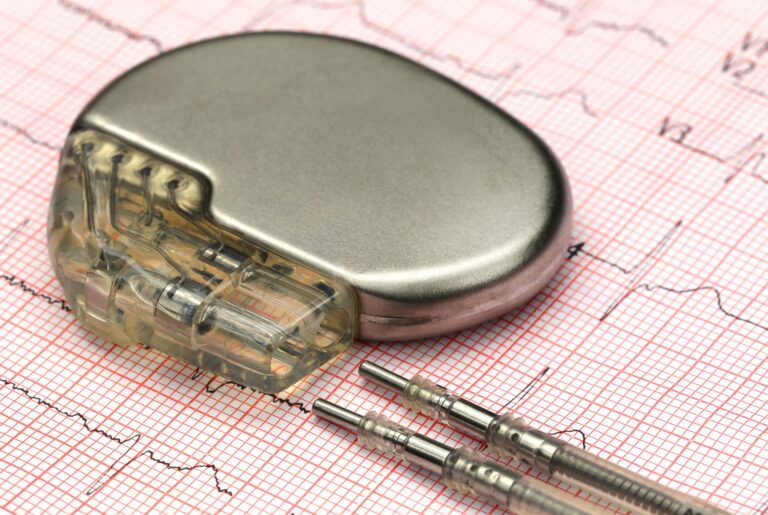
Medical illustration from Vitals Daily

Key Takeaway

In a randomized trial of 482 patients with heart block and normal pumping function, pacemakers that tap into the heart’s own left-sided wiring reduced the combined risk of death, heart failure events or device upgrade from 12.5% to 2.4% over 24 months, compared with conventional right ventricular pacing. Most of the benefit came from fewer heart failure events, and the trial detected no added procedural risk.

When the Cure Quietly Creates a New Problem

Picture a 67-year-old retired engineer who faints in his garden. The diagnosis is atrioventricular block: the electrical signal from the heart’s upper chambers can no longer reach the lower chambers reliably. The fix is a pacemaker, a device so routine that hundreds of thousands are implanted every year. For decades, cardiologists have placed its lead in the right ventricle, the lower chamber on the heart’s right side, and let the electrical impulse spread outward from there.

It works. His fainting stops. But that standard approach has an inconvenient secret. The impulse travels slowly through ordinary muscle rather than through the heart’s high-speed wiring, so the two ventricles contract slightly out of step. Over…

Medically reviewed by

Dr. Şekip Altunkan

Dr. Şekip Altunkan is an internal medicine specialist with extensive clinical experience. He trained at Hacettepe University Faculty of Medicine and later served as an Associate Professor in Internal Medicine. He founded and led the Metropol Internal Medicine and Hypertension Clinic in Ankara, pioneering non-invasive Electron Beam Tomography (EBT) cardiac imaging, arterial-stiffness measurement, and nationwide Holter monitoring. He currently practices at his private clinic in Ankara, focusing on hypertension, vascular health, cholesterol, diabetes and heart disease. He has published widely in national and international journals, serves as a peer reviewer for several international journals, and is the author of the book "Questions and Answers on Hypertension."

Share this article