#cardiology_heart_health

Troponin Is Up. Now Comes the Hard Part
Medically Reviewed by Dr. Şekip Altunkan on Oct 30, 2026.
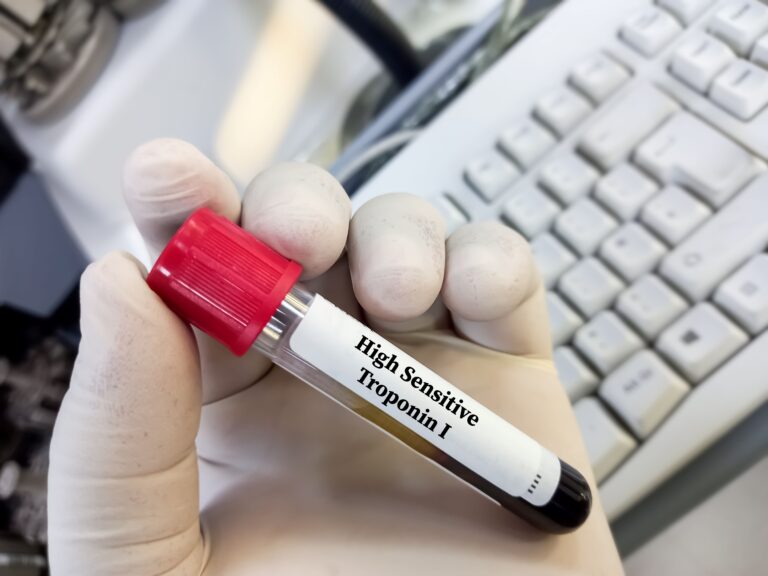
Medical illustration from Vitals Daily

Key Takeaway

An elevated high-sensitivity troponin shows that heart muscle has been injured. It does not show why. A new review in JACC argues that the hard work now is sorting true heart attacks from the many other conditions that release troponin, and that a persistent, unexplained elevation calls for investigation rather than dismissal.

The Lab Value That Arrives Before the Story

A 74-year-old woman comes to the emergency department with pneumonia. She has a fever, her heart rate is 118, and her kidneys are working at half capacity. She has no chest pain, and her electrocardiogram looks the way it did last year. Then her troponin comes back flagged in red. Within the hour someone has written “NSTEMI?” in her chart, a blood thinner is hanging, and a cardiology consult is on its way.

Twenty years ago, the problem with troponin testing was that it missed small heart attacks. Today’s high-sensitivity assays have fixed that. They can measure troponin in the blood of most healthy adults. As Michail Spanos and James Januzzi put it in the title of their review, detection is no longer diagnosis. The question is…

Medically reviewed by

Dr. Şekip Altunkan

Dr. Şekip Altunkan is an internal medicine specialist with extensive clinical experience. He trained at Hacettepe University Faculty of Medicine and later served as an Associate Professor in Internal Medicine. He founded and led the Metropol Internal Medicine and Hypertension Clinic in Ankara, pioneering non-invasive Electron Beam Tomography (EBT) cardiac imaging, arterial-stiffness measurement, and nationwide Holter monitoring. He currently practices at his private clinic in Ankara, focusing on hypertension, vascular health, cholesterol, diabetes and heart disease. He has published widely in national and international journals, serves as a peer reviewer for several international journals, and is the author of the book "Questions and Answers on Hypertension."

Share this article