#pharmacology_drug_safety

Aspirin, Warfarin, or Rivaroxaban After Joint Replacement: Weighing Clot Protection Against Bleeding Risk
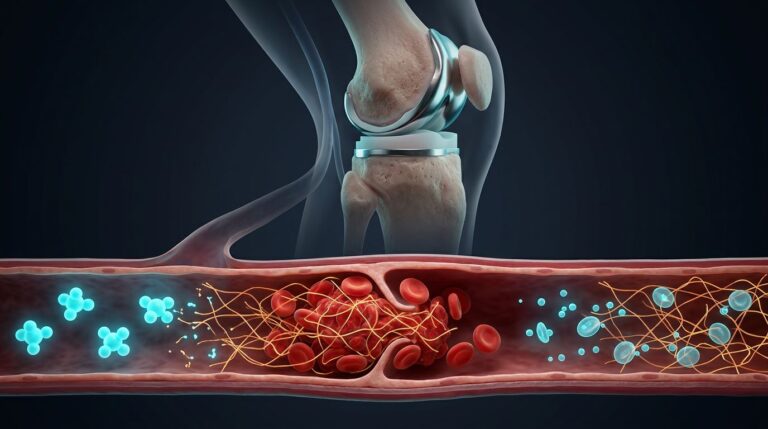
Medically Reviewed by Dr. Şekip Altunkan on Nov 12, 2026.
Illustration: Vitalsdaily

Key Takeaway

For the past decade, low-dose aspirin has increasingly served as the de facto standard following total hip and knee arthroplasty. Enrolling 15,317 patients across three arms, the PEPPER trial failed to demonstrate that aspirin was as protective as rivaroxaban or warfarin. Conversely, it could not prove these full anticoagulants were as safe as aspirin. Thromboprophylaxis is no longer an automatic reflex; it is a nuanced trade-off between efficacy and safety.

Baby Aspirin at the Bedside

Postoperative day one on the orthopedic floor. A 68-year-old retired teacher, having just undergone total knee arthroplasty, takes tentative steps toward the bathroom with the support of a walker. The discharge orders list a single antithrombotic agent: 81 mg of aspirin, twice daily for one month.

Aspirin is inexpensive, requires no laboratory monitoring, and has quietly become the default regimen across numerous surgical centers. The operating surgeon worries far more about a wound hematoma than a pulmonary embolism—a clinical reflex that has shaped contemporary surgical practice worldwide. Yet the evidence bolstering this migration has never been entirely unequivocal, with trials pointing in conflicting directions. For patients at the bedside, the underlying…

Medically reviewed by

Dr. Şekip Altunkan

Dr. Şekip Altunkan is an internal medicine specialist with extensive clinical experience. He trained at Hacettepe University Faculty of Medicine and later served as an Associate Professor in Internal Medicine. He founded and led the Metropol Internal Medicine and Hypertension Clinic in Ankara, pioneering non-invasive Electron Beam Tomography (EBT) cardiac imaging, arterial-stiffness measurement, and nationwide Holter monitoring. He currently practices at his private clinic in Ankara, focusing on hypertension, vascular health, cholesterol, diabetes and heart disease. He has published widely in national and international journals, serves as a peer reviewer for several international journals, and is the author of the book "Questions and Answers on Hypertension."

Share this article