#cardiology_heart_health

Heart Transplant Triage: Reading Organs, Not Just Pumps
Medically Reviewed by Dr. Şekip Altunkan on Nov 12, 2026.
Illustration: Vitalsdaily

Key Takeaway

A registry study of 38,012 adult US heart transplant candidates built an objective urgency score from 5 lab values and 4 heart-support devices. It predicted who would die within 6 weeks without a transplant better than the current 6-status system (mean AUC 0.807 vs 0.693). In simulation, it moved donor hearts toward candidates with a higher risk of dying while they waited.

Two Patients, One Heart, Six Weeks

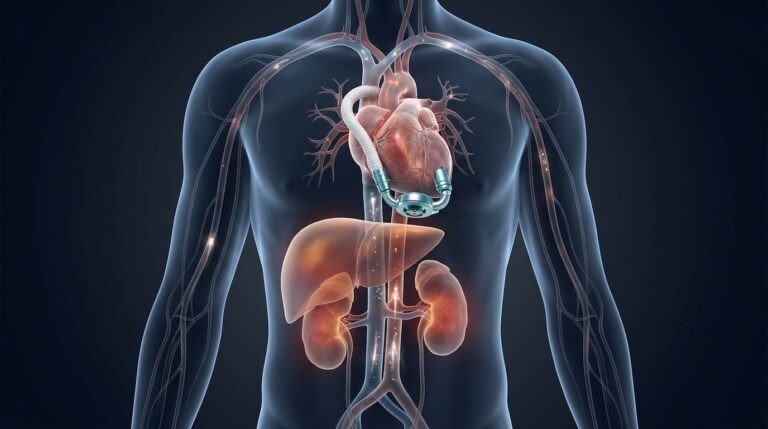
Picture two people waiting for the same donor heart. The first has a temporary pump threaded into her chest. On paper, that device puts her near the top of the list. The second relies on a durable implanted pump and looks steadier by the rulebook. Yet his kidneys are faltering and his liver labs are drifting the wrong way. Today, the hardware usually wins. Each year, roughly 1 in 5 US heart transplant candidates dies or is removed from the list without ever receiving a heart[1]. The question of who goes first is a matter of life and death.

Since 2018, US donor hearts have been allocated through a 6-tier system. Each tier rests largely on the type…

Medically reviewed by

Dr. Şekip Altunkan

Dr. Şekip Altunkan is an internal medicine specialist with extensive clinical experience. He trained at Hacettepe University Faculty of Medicine and later served as an Associate Professor in Internal Medicine. He founded and led the Metropol Internal Medicine and Hypertension Clinic in Ankara, pioneering non-invasive Electron Beam Tomography (EBT) cardiac imaging, arterial-stiffness measurement, and nationwide Holter monitoring. He currently practices at his private clinic in Ankara, focusing on hypertension, vascular health, cholesterol, diabetes and heart disease. He has published widely in national and international journals, serves as a peer reviewer for several international journals, and is the author of the book "Questions and Answers on Hypertension."

Share this article