The Potassium Paradox: A Silent Threat in the Shadow of Life-Saving Drugs
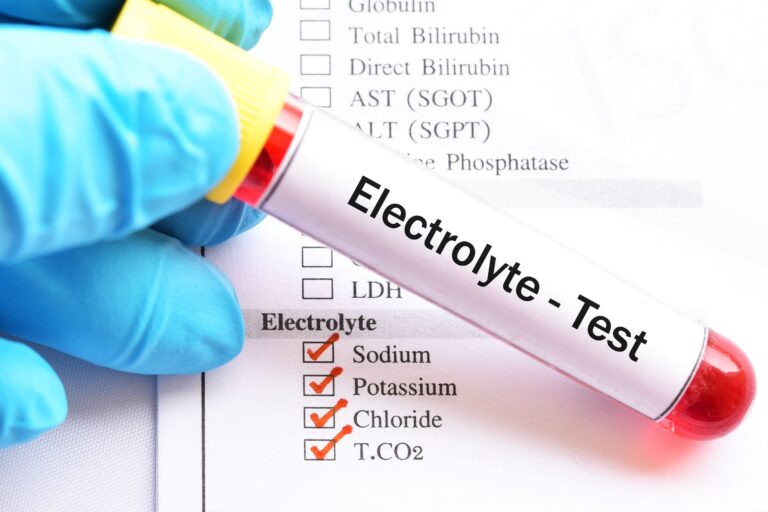
Key Takeaway: Hyperkalemia—a dangerous elevation of potassium levels in the blood—remains a common and potentially fatal electrolyte disorder, especially in individuals with kidney disease, heart failure, or diabetes. A comprehensive new review synthesizes the latest evidence on the condition’s causes, diagnosis, and treatment, including novel potassium-binding drugs that may allow patients to safely continue their lifesaving heart and kidney medications.
A Hidden Emergency in Plain Sight
A 67-year-old man with diabetes and moderate kidney disease presents to the emergency department with fatigue and mild nausea. On the monitor, his heart rhythm is slightly abnormal. A routine blood test reveals a potassium level of 6.8 mEq/L, well above the normal range of 3.5 to 5.0. The clinical team springs into action within minutes. Without rapid intervention, this patient’s heart could stop. Hyperkalemia, or elevated blood potassium, is one of medicine’s silent killers. It often progresses with vague symptoms—or sometimes none at all—until it triggers a fatal cardiac arrhythmia. A comprehensive new review published in the BMJ offers clinicians the most up-to-date roadmap for recognizing and treating this deceptively dangerous condition[1].
What This Review Covers
This BMJ review is a comprehensive synthesis, not a single clinical trial, meticulously compiling contemporary data on the epidemiology, pathophysiology, diagnosis, and management of hyperkalemia. The authors have examined the existing evidence to create a practical, evidence-based framework for clinicians managing this condition in both emergency department and outpatient settings.
The review identifies three patient populations at highest risk: those with chronic kidney disease (CKD), heart failure, and diabetes. It highlights that one of the most common culprits behind dangerous potassium spikes are RAAS inhibitors—medications like ACE inhibitors, angiotensin receptor blockers (ARBs), and mineralocorticoid receptor antagonists (MRAs). Ironically, these are among the most critical drugs used to protect the heart and kidneys in the very patients most vulnerable to hyperkalemia. The review also offers a potential solution to this clinical paradox by integrating the role of next-generation potassium-binding agents into modern treatment strategies.
Why Potassium Is a Double-Edged Sword
Potassium is essential for life. It is the most abundant intracellular cation in the human body; about 98% of total body potassium resides inside cells, with only 2% found in the bloodstream[2]. This sharp concentration difference across cell membranes enables the firing of nerve impulses and the orderly contraction of muscles, including the heart. The sodium-potassium ATPase pump, present in nearly every cell, works continuously to maintain this gradient by pushing potassium in and sodium out[3].
When blood potassium rises too high, this carefully maintained electrical gradient is disrupted. The resting membrane potential of cardiac cells changes, making the heart muscle progressively more irritable and prone to abnormal rhythms. Mild elevations can produce peaked T waves on an electrocardiogram (ECG). As levels rise further, the PR interval lengthens, the QRS complex widens, and the heart can eventually devolve into ventricular fibrillation or asystole—a flat line[4].
The kidneys are the primary defense against potassium overload, excreting about 90% of daily potassium intake. Aldosterone, a hormone in the renin-angiotensin-aldosterone system (RAAS), stimulates potassium secretion in the distal nephron of the kidney. When kidney function declines, as in CKD, this excretory capacity is reduced. RAAS inhibitors, by design, further impair the kidney’s ability to excrete potassium; ACE inhibitors and ARBs suppress aldosterone production, while mineralocorticoid receptor antagonists (MRAs) directly block aldosterone’s effect at the receptor level [5]. Diabetes complicates the problem through insulin deficiency or resistance, as insulin is a key hormone that drives potassium from the blood back into cells. The result is a perfect storm in patients who carry two or all three of these diagnoses simultaneously.
This delicate balance is disrupted not only by renal failure but also by rapid shifts in body fluids. Particularly in conditions where plasma tonicity (osmolarity) rises suddenly, such as diabetic ketoacidosis or hyperosmolar crises, intracellular water is rapidly drawn into the vascular space via osmosis; this pull drags potassium ions along with it (the solvent drag effect), causing them to flood into the blood. Furthermore, the type of acidosis determines the clinical picture. In inorganic mineral acidoses, as hydrogen enters cells, potassium is rapidly expelled; however, in organic conditions like lactic acidosis or ketoacidosis, this shift is, contrary to common belief, much more complex and variable. Large-scale cohort analyses have shown that every 15 mL/min/1.73 m² decline in kidney filtration capacity approximately doubles the risk of hyperkalemia, and the heart’s electrical shield becomes almost completely vulnerable, especially when the eGFR drops below 15 mL/min/1.73 m².
The review also emphasizes transcellular potassium shifts—situations where potassium rushes out of cells and into the bloodstream—beyond impaired excretion. Acidosis, tissue injury (like crush injuries or tumor lysis), and certain drugs such as beta-blockers or succinylcholine can all trigger these shifts, sometimes causing dangerously rapid potassium spikes even when total body potassium stores are normal.
New Therapeutic Horizons: Potassium Binders and Practical Management
Acute hyperkalemia management has followed a well-established sequence for decades: intravenous calcium to stabilize the heart’s electrical activity, insulin with glucose to drive potassium into cells, and inhaled beta-agonists like albuterol for the same purpose. These are temporary, time-buying measures; they do not remove potassium from the body. True potassium elimination requires increasing renal excretion with loop diuretics or, in severe cases, removal via dialysis[6].
The review frames acute hyperkalemia management as a strict three-stage protocol against the clock. In the first stage, membrane stabilization, it recommends administering 30 mL of 10% calcium gluconate (3 grams) to restore conduction velocity in critical patients, especially those with QRS widening or bradycardia, instead of the traditional 10 mL; or opting for calcium chloride directly in cardiac arrest. The second stage, the insulin-dextrose protocol, features a significant paradigm shift: to reduce the risk of severe hypoglycemia (up to 17%), it emphasizes a preference for a 5-unit (or 0.1 units/kg) intravenous dose of regular insulin instead of 10 units, particularly in patients with renal failure or those not on insulin. Adding nebulized salbutamol (10-20 mg) at this stage significantly synergizes the potassium-lowering effect, while the routine use of sodium bicarbonate in patients without severe metabolic acidemia is clearly stated to be unhelpful.
However, the chronic management side of the equation has undergone a significant evolution. The traditional oral potassium binder, sodium polystyrene sulfonate (Kayexalate), has been in use since the 1950s but carries concerns about gastrointestinal side effects, including the rare but serious complication of colonic necrosis[7]. The review includes the newer potassium-binding agents—patiromer and sodium zirconium cyclosilicate (SZC)—which have shown more predictable potassium-lowering effects and better tolerability in clinical trials. Patiromer works by exchanging calcium for potassium in the colon, while SZC uses a crystal structure that selectively traps potassium ions throughout the gastrointestinal tract[8].
This is critical for long-term patient outcomes. When hyperkalemia forces clinicians to reduce or stop RAAS inhibitors, patients lose the proven survival benefits these drugs provide in heart failure and CKD. The availability of effective and well-tolerated potassium binders means more patients can remain on optimal doses of these lifesaving therapies. In the chronic and subacute phases, the new generation of potassium binders (SZC and patiromer) eliminates the constraint that often forced physicians to discontinue medication. Indeed, current KDIGO and UK Kidney Association guidelines recommend against abruptly stopping life-saving RAAS inhibitors unless the condition is uncontrolled; instead, they suggest maintaining target doses by adding an oral potassium binder or loop diuretics. Furthermore, meta-analyses have shown that SGLT2 inhibitors and the sacubitril/valsartan (ARNI) combination, which have revolutionized the cardiorenal field, reduce the risk of severe hyperkalemia by approximately 16% compared to traditional therapies. This demonstrates that hyperkalemia treatment has evolved into a multilayered shield that not only lowers potassium but also ensures the continuation of cardiovascular drugs that extend the patient’s lifespan.
Considerations and Caveats
Because this publication is a narrative review rather than a randomized controlled trial or meta-analysis, it synthesizes existing evidence instead of generating new primary data. The strength of its recommendations depends on the underlying studies, which may vary in quality. Additionally, long-term outcome data for the newer potassium binders are still limited—specifically, whether their use translates to a reduction in mortality or hospitalizations. The cost and accessibility of these newer agents also vary across healthcare systems, which may limit their real-world applicability.
One of the greatest uncertainties for clinicians and researchers is the pitfall of pseudohyperkalemia, or falsely elevated potassium levels on lab tests. Prolonged tourniquet application (over 1 minute), fist clenching during the blood draw, use of fine-gauge needles, or hemolysis of the sample from agitation in a pneumatic tube system can make normal values appear fatally high. It is crucial to remember that point-of-care whole blood analyzers cannot detect hemolysis; confirmation with centrifuged plasma samples should be performed in suspicious cases. Moreover, given that the sensitivity of classic ECG findings like peaked T waves or a wide QRS is surprisingly low for high potassium (they can initially be absent in many patients with severe hyperkalemia), treatment decisions should not be delayed by relying solely on ECG findings.
What This Means for Patients
If you are living with kidney disease, heart failure, or diabetes—or if you take medications like ACE inhibitors, ARBs, or spironolactone—potassium monitoring is not a minor detail. It is a fundamental part of your care. This review reinforces that hyperkalemia is both preventable and treatable when caught early and that the therapeutic toolbox has expanded significantly. The new potassium-binding agents represent a real advance, allowing you to continue the medications that protect your heart and kidneys without the threat of dangerous potassium spikes. The key message is clear: routine blood tests are important, being mindful of your diet helps, and if your potassium runs high, there are now more options than ever to manage it safely without derailing the rest of your treatment plan.
Scientific Sources
- Rech MA, et al. Diagnosis and management of acute hyperkalaemia. BMJ (Clinical research ed.). 2026;394:e100287. PubMed: https://pubmed.ncbi.nlm.nih.gov/42629001/
- Palmer BF, et al. Physiology and pathophysiology of potassium homeostasis. Adv Physiol Educ. 2016. DOI: 10.1152/advan.00121.2016
- Clausen T. Na+-K+ pump regulation and skeletal muscle contractility. Physiol Rev. 2003. DOI: 10.1152/physrev.00011.2003
- Montague BT, et al. Retrospective review of the frequency of ECG changes in hyperkalemia. Clin J Am Soc Nephrol. 2008. DOI: 10.2215/CJN.04611007
- Palmer BF. Managing hyperkalemia caused by inhibitors of the renin-angiotensin-aldosterone system. N Engl J Med. 2004. DOI: 10.1056/NEJMra035279
- Weisberg LS. Management of severe hyperkalemia. Crit Care Med. 2008. DOI: 10.1097/CCM.0b013e31818f222b
- Harel Z, et al. Gastrointestinal adverse events with sodium polystyrene sulfonate (Kayexalate) use: a systematic review. Am J Med. 2013. DOI: 10.1016/j.amjmed.2012.08.016
- Bakris GL, et al. Effect of patiromer on serum potassium level in patients with hyperkalemia and diabetic kidney disease: the AMETHYST-DN randomized clinical trial. JAMA. 2015. DOI: 10.1001/jama.2015.7446
Medically reviewed by
Dr. Şekip Altunkan
Dr. Şekip Altunkan is an internal medicine specialist with extensive clinical experience. He trained at Hacettepe University Faculty of Medicine and later served as an Associate Professor in Internal Medicine. He founded and led the Metropol Internal Medicine and Hypertension Clinic in Ankara, pioneering non-invasive Electron Beam Tomography (EBT) cardiac imaging, arterial-stiffness measurement, and nationwide Holter monitoring. He currently practices at his private clinic in Ankara, focusing on hypertension, vascular health, cholesterol, diabetes and heart disease. He has published widely in national and international journals, serves as a peer reviewer for several international journals, and is the author of the book "Questions and Answers on Hypertension."