Obstructive Sleep Apnea in Resistant Hypertension: Sympathetic and Aldosterone Pathways and Integrated Management
Key Takeaways
- Although obstructive sleep apnea (OSA) is one of the most common clinical conditions accompanying true resistant hypertension, it is frequently overlooked diagnostically in clinical practice. Every patient whose blood pressure remains at or above 130/80 mmHg despite receiving optimal doses of three antihypertensive agents—one of which is a diuretic—or who requires four or more agents warrants a structured sleep evaluation and screening for primary aldosteronism.
- Two mechanisms drive this pressor state: intermittent hypoxia sensitizes the carotid body chemoreflex, causing sympathetic discharge to persist into daytime hours. Aldosterone excess, in turn, induces volume expansion and nocturnal rostral fluid shift toward the neck; this narrows the pharynx and exacerbates apnea, establishing a self-perpetuating vicious cycle.
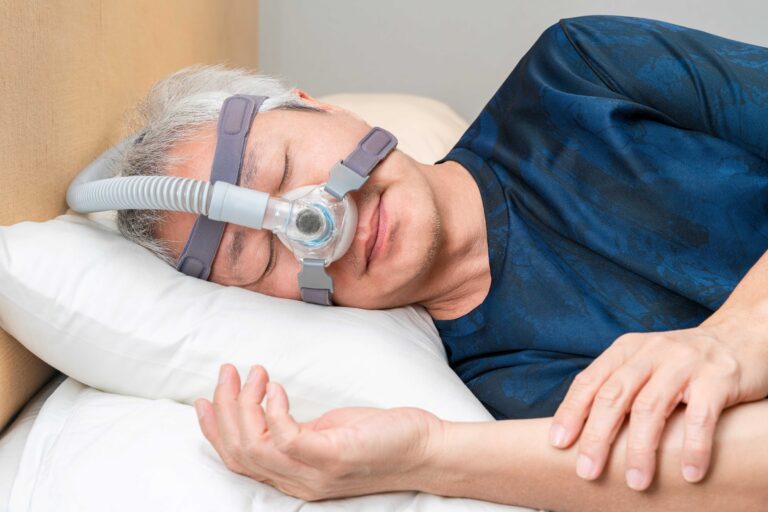
- CPAP reduces 24-hour systolic blood pressure by approximately 4 to 6 mmHg in resistant hypertension; in some cohorts, nocturnal blood pressure reduction has been noted to be more pronounced. The derived benefit is use-dependent, with trials accepting at least 4 hours of use per night as the threshold for good adherence. In elderly patients with longstanding resistant hypertension and ischemic heart disease, a blood pressure reduction may not be observed even with full treatment adherence.
- Spironolactone is the foundational fourth-line agent of choice. Therapy should be initiated at 12.5 to 25 mg daily and titrated to 50 mg/day. Serum potassium and creatinine levels must be checked at weeks 1 to 2, at week 4, and every 3 to 6 months thereafter. If potassium rises above 5.0 mmol/L or eGFR drops below 30 mL/min/1.73 m², treatment should be discontinued.
- Before evaluating the aldosterone-to-renin ratio, hypokalemia must be corrected and mineralocorticoid receptor antagonists (MRAs) withheld for 4 to 6 weeks. During this period, bridging should be performed with sustained-release verapamil, hydralazine, or doxazosin. Tirzepatide, initiated at a weekly dose of 2.5 mg and escalated in 2.5 mg increments every 4 weeks, targets the underlying obesity substrate. As weight loss is achieved, stepwise de-escalation of antihypertensive therapy should be planned by assessing clinical response, orthostatic symptoms, and concomitant cardiorenal indications.
Introduction and Clinical Background
In hypertension clinics, few comorbidities are as prevalent, as consequential in their outcomes, and as consistently overlooked as obstructive sleep apnea (OSA). In the United States, OSA is estimated to affect approximately 17% of women and 34% of men. Despite driving a two- to threefold increase in cardiovascular and metabolic disease risk, only 15% to 50% of affected individuals in the general population report excessive sleepiness[1]. Consequently, the absence of sleepiness is an inadequate rationale for deferring further investigation, particularly in a patient with elevated blood pressure refractory to stepped pharmacotherapy.
The global dimensions of this condition are striking. An estimated 936 million adults aged 30 to 69 years are affected. OSA is identified in approximately 40% to 80% of patients presenting to cardiovascular clinics with diagnoses of hypertension, heart failure, coronary artery disease, atrial fibrillation, or stroke[2]. Resistant hypertension itself is not an uncommon clinical presentation. A consensus report from Korea reported the prevalence of true resistant hypertension as 10.3% and apparent treatment-resistant hypertension as 14.7%. The report emphasized that primary aldosteronism and symptomatic OSA are particularly frequent in this population, rendering screening for both entities essential[3].
Missed diagnostic opportunities are well documented in the literature. In a retrospective analysis of 500 patients with apparent resistant hypertension at a tertiary center, only 6.6% had been screened with the Epworth Sleepiness Scale or the STOP-Bang questionnaire, and only 10.8% carried an established diagnosis of OSA. OSA was diagnosed more frequently in women than in men (14.1% vs 7.0%, p = 0.013). The authors interpreted this finding not as a true sex difference, but rather as an indicator of underdiagnosis in men[4]. Historically, OSA has been classified as a respiratory or sleep medicine pathology, whereas resistant hypertension has been viewed as a renal-endocrine disorder. This departmental division of labor has left patients in a clinical grey zone between subspecialties, and it is precisely this gap that an integrated clinical approach must bridge.
Molecular and Pathophysiological Mechanisms
Intermittent Hypoxia, Chemoreflex Sensitization, and Sympathetic Overactivity
The defining pathological insult of OSA is chronic intermittent hypoxia: cycles of desaturation and reoxygenation that frequently recur dozens of times per hour. Each cycle stimulates glomus cells within the carotid body. Over time, recurrent episodes of hypoxia-reoxygenation generate reactive oxygen species via NADPH oxidase and stabilize hypoxia-inducible factor 1-alpha (HIF-1α). This results in a sensitized chemoreflex state that persists even during wakefulness. Hypertension developing in rodent models subjected to chronic intermittent hypoxia depends on intact carotid body afferents and renal sympathetic nerves. This preclinical observation provides the experimental foundation for the sympathetic hypothesis in humans.
In patients, muscle sympathetic nerve activity is elevated during the day as well as at night, and baroreflex sensitivity is blunted. Sympathetic overactivity is recognized as a central pathogenetic factor in resistant hypertension. Arterial stiffness, chronic kidney disease, OSA, obesity, and diabetes are comorbid conditions associated with increased sympathetic activity in this phenotype[5]. Sympathetic efferent neural traffic to the kidney enhances renin release via beta-1 receptors on juxtaglomerular cells. Concurrently, it augments proximal tubular sodium reabsorption through alpha-1 adrenergic stimulation, bridging the neural and hormonal limbs of the disorder.
Intrathoracic Pressure Swings and Sleep Fragmentation
Obstructed respiratory efforts generate markedly negative intrathoracic pressures. This elevates left ventricular transmural pressure and afterload, stretches the atria, and triggers atrial remodeling. Arousals at apnea termination produce abrupt surges in blood pressure and heart rate. The cumulative effect is the blunting or reversal of nocturnal blood pressure dipping, generating the “non-dipping” and “reverse-dipping” patterns characteristic of OSA-related hypertension. Sleep fragmentation itself independently activates the hypothalamic-pituitary-adrenal axis and sympathetic nervous system, even in the absence of overt hypoxemia.
The Aldosterone Axis and Rostral Fluid Shift
The aldosterone pathway is the nexus where OSA and resistant hypertension mutually reinforce each other. OSA fuels hypertension through intermittent hypoxia, sympathetic overactivity, sleep fragmentation, RAAS-mediated fluid retention, and nocturnal fluid shifts that increase airway collapsibility. Mineralocorticoid receptor antagonists, such as spironolactone and eplerenone, have been reported to reduce both the apnea-hypopnea index and blood pressure in patients with concomitant OSA and resistant hypertension[6]. The mechanism is physically straightforward: in the supine position, fluid accumulated in the legs during the day redistributes toward the neck. The resulting parapharyngeal edema narrows the airway; the greater the patient’s volume overload, the more pronounced the nocturnal fluid shift becomes.
Aldosterone excess in obesity is not solely renin-dependent. As demonstrated largely in experimental models, adipocyte-derived factors, including leptin, can directly stimulate adrenal aldosterone synthesis. This helps explain why inappropriately normal or elevated aldosterone levels are accompanied by relatively suppressed renin in many obese hypertensive patients with OSA. This biochemical profile overlaps with primary aldosteronism, complicating its differential diagnosis.
Pharmacological Targets Along the Aldosterone Cascade
The distinction among agents acting at different steps of this cascade carries direct clinical implications. Spironolactone is a steroidal mineralocorticoid receptor antagonist with notable affinity for androgen and progesterone receptors, which can lead to gynecomastia, mastodynia, and menstrual irregularities. Eplerenone is a more selective steroidal antagonist with fewer endocrine adverse effects, but lower potency milligram-for-milligram. Finerenone is a bulky, nonsteroidal antagonist with a more balanced cardiorenal tissue distribution; its approved indication is diabetic kidney disease rather than resistant hypertension.
All receptor antagonists share a common limitation: receptor blockade removes negative feedback, causing renin and aldosterone to rise, allowing circulating aldosterone to exert nongenomic, receptor-independent effects. Aldosterone synthase inhibitors, such as baxdrostat and lorundrostat, act upstream by inhibiting the CYP11B2 enzyme, thereby preventing aldosterone synthesis entirely and precluding this breakthrough phenomenon. The clinical challenge with these agents is selectivity: CYP11B2 shares extensive sequence homology with CYP11B1 (11-beta-hydroxylase), and insufficiently selective agents carry the risk of impairing cortisol synthesis. Newer compounds have been specifically developed to spare the glucocorticoid axis. Acting further downstream in the cascade, amiloride blocks the epithelial sodium channel in the collecting ducts independently of aldosterone.
Vascular Remodeling and Arterial Stiffness
Endothelial dysfunction driven by oxidative stress, reduced nitric oxide bioavailability, and elevated endothelin-1 links OSA to structural arterial alterations. A stepwise increase in pulse wave velocity has been consistently observed across control, OSA, hypertension, and combined OSA-hypertension groups, indicating a cumulative vascular burden. However, large cohort data suggest that the association between OSA and markers of arterial stiffness is largely accounted for by age, blood pressure levels, and cardiometabolic comorbidities, and the existing evidence is predominantly cross-sectional[7]. This methodological caveat is noteworthy.
A prospective phenotyping study conducted in the United Kingdom provides an additional note of caution. Of 141 patients evaluated, 60 (43%) were confirmed to have true treatment-resistant hypertension after excluding white-coat effect, secondary causes, and non-adherence. Compared with non-resistant patients, these individuals exhibited higher extracellular fluid volume, aldosterone-to-renin ratio, and endothelin-1 levels, but showed no difference in adjusted arterial stiffness or nocturnal pulse oximetry parameters. On multivariable analysis, only NT-proBNP was independently associated with resistance (p = 0.027)[8]. The resulting picture points toward a substrate of volume expansion and cardiac stress rather than simple nocturnal desaturation.
Clinical Evidence and Guideline Comparison
Prevalence and Severity of OSA in Resistant Hypertension
In a polysomnography study of 300 patients presenting with symptoms suggestive of OSA, the prevalence of OSA among those with confirmed resistant hypertension was 94% (37% of cases severe). The corresponding rates were 89% (22% severe) in the non-resistant hypertension group and 74% (only 2% severe) in the normotensive control group. Hypertensive patients also exhibited higher oxygen desaturation indices and lower minimum and mean saturation values[9]. Because all participants were symptomatic referred patients, these prevalence rates exceed those that would be encountered in an unselected resistant hypertension clinic. The actionable core takeaway is the severity gradient: the presence of resistance parallels a heavier hypoxic burden.
Questionnaire-based triage performance is imperfect in this population, partly because obese and hypertensive patients frequently do not exhibit classic daytime sleepiness. In a retrospective cohort of 659 patients with resistant hypertension who all underwent polysomnography, investigators developed a random forest model using ten routinely available variables. Demonstrating good discrimination and calibration in both development and validation cohorts, the model was evaluated against the STOP-Bang and Berlin questionnaires via decision curve analysis. Waist circumference emerged as the single most important predictor of concomitant moderate-to-severe OSA[10]. For the clinician, central adiposity should lower the threshold for objective testing, irrespective of questionnaire scores.
CPAP and Blood Pressure: Pooled Randomized Evidence
The most informative pooled estimate comes from a recent meta-analysis encompassing 12 trials with 718 participants with resistant hypertension and OSA. Compared with control, CPAP reduced 24-hour systolic blood pressure by 5.92 mmHg (95% CI: 3.11 to 8.72; p < 0.001) and 24-hour diastolic blood pressure by 4.44 mmHg (95% CI: 2.62 to 6.26; p < 0.001). Reductions of 4.87 mmHg (95% CI: 1.78 to 7.96; p = 0.002) in nighttime systolic blood pressure and 2.05 mmHg in nighttime diastolic blood pressure were achieved. The benefit was evident in both short-term (< 3 months) and longer-term (≥ 3 months) trials. No significant effect was detected on mean heart rate (weighted mean difference: −2.76 beats/min; 95% CI: -7.50 to 1.97; p = 0.25)[11].
These reductions are equivalent to the effect achieved by adding a single antihypertensive agent and represent a clinically meaningful blood pressure reduction; however, it is rarely sufficient alone. A second systematic review pooling randomized, prospective, and observational data reported an overall downward trend in blood pressure accompanied by marked methodological heterogeneity (I² = 92.72%); however, the statistical limits of the pooled effect estimates in that study must be interpreted with caution. In subgroup analyses, longer treatment duration and greater blood pressure reduction were associated with higher treatment adherence[12].
Long-Term Adherence: HIPARCO-2
The question of whether the short-term benefit is sustained was addressed in the multicenter prospective HIPARCO-2 study. In this study, 161 patients with an apnea-hypopnea index of 15 or higher and ambulatory blood pressure monitoring-confirmed resistant hypertension were followed for a median of 59 months. CPAP was prescribed to 82% of patients, and 70% achieved good adherence, defined as at least 4 hours per night. Adherent patients exhibited a 3.9 mmHg (95% CI: -8.1 to 0.3) reduction in 24-hour systolic blood pressure and a 3.5 mmHg reduction in diastolic blood pressure compared with non-adherent or untreated patients. Nocturnal reductions were more pronounced at 5.5 and 4.9 mmHg, respectively. These patients required an average of 1.1 fewer antihypertensive medications, predominantly spironolactone, and the reduction in 24-hour systolic pressure correlated with hours of nightly use (r = 0.24; p = 0.01)[13].
Although the authors characterized the systolic effect as statistically significant, the reported confidence interval crosses the null line of no effect, and the comparison between adherent and non-adherent individuals is observational rather than randomized. While the reduction in medication count is a clinically valuable observation, it must be recognized that adherence-based observational groupings are inherently subject to physician decision-making and confounding factors.
Non-Responders to CPAP Therapy: HIPARCO Subanalysis
A subanalysis of the randomized HIPARCO trial evaluated patients whose blood pressure increased despite therapy. Of 98 patients treated with CPAP, 79 tolerated the device well; nevertheless, 38 patients experienced an increase in 24-hour systolic or diastolic blood pressure. Older age, higher baseline 24-hour systolic pressure, a history of ischemic heart disease, longer duration of resistant hypertension, and fewer hours of CPAP use were independently associated with this paradoxical response. Greater hours of use correlated with attenuation of this rise (r = 0.55; p = 0.001)[14]. These findings suggest that in elderly individuals with long-standing resistant hypertension and ischemic heart disease, CPAP should be implemented for airway patency and symptom control, as it may not achieve marked blood pressure reduction on its own.
Mineralocorticoid Receptor Antagonism in OSA
Evidence regarding the use of spironolactone specifically in OSA remains limited in scale. Available data comparing antihypertensive classes in OSA cases are largely derived from small-scale studies. While beta-blockers are thought to be effective owing to acute and chronic sympathetic activation, and ACE inhibitors and angiotensin receptor blockers due to RAAS activation, spironolactone yields a favorable response in the setting of OSA accompanied by resistant hypertension[15].
In a retrospective cohort of 96 patients with mild OSA and resistant hypertension, spironolactone 20 mg/day added to conventional therapy was compared with conventional therapy alone. At 12 weeks, additional reductions of 5.75 mmHg (95% CI: 2.66 to 8.84) in office systolic blood pressure and 3.67 mmHg (95% CI: 0.88 to 6.46) in office diastolic blood pressure were achieved. An improvement of 1.85 events per hour in the apnea-hypopnea index was recorded, and nadir oxygen saturation increased by 3.33 percentage points. No cases of hyperkalemia or clinically meaningful renal dysfunction were reported[16]. Although the retrospective design, small sample size, and young cohort structure limit inferences, the direction of effect on both blood pressure and airway indices aligns with the fluid shift hypothesis.
Incretin-Based Weight Loss: Tirzepatide
Tirzepatide is a single molecule exhibiting agonist activity at both glucose-dependent insulinotropic polypeptide (GIP) and GLP-1 receptors. It targets the underlying obesity substrate of both clinical entities by reducing visceral and parapharyngeal adipose tissue as well as tongue base fat, which diminishes airway collapsibility. The nocturnal and obesity-driven characteristics of OSA-related hypertension point to a therapeutic role for dual GIP/GLP-1 receptor agonists, alongside angiotensin receptor-neprilysin inhibitors and SGLT2 inhibitors[17].
Based on a dedicated phase 3 program, tirzepatide received regulatory approval for moderate-to-severe OSA in adults with obesity. Dedicated clinical trials should be consulted for specific effect sizes regarding the apnea–hypopnea index and ambulatory blood pressure parameters directly in patients with confirmed resistant hypertension. Mechanistically, tirzepatide should be viewed not as a direct substitute for CPAP or mineralocorticoid receptor blockade, but as an approach that treats the underlying pathological substrate of the disease.
Screening for Primary Aldosteronism in OSA
The overlap between OSA and primary aldosteronism is clinically critical yet diagnostically complex. Primary aldosteronism was diagnosed in 66 of 241 patients with moderate-to-severe OSA and resistant hypertension. The aldosterone-to-renin ratio had an area under the curve (AUC) of 0.72 (95% CI: 0.63 to 0.82). An ARR cutoff of 45 in the units used by the investigators yielded a sensitivity of 86% and a specificity of 52%. In severe OSA cases, discriminatory ability rose to an AUC of 0.84 (95% CI: 0.72 to 0.96), with 85% sensitivity and 76% specificity[18]. The authors concluded that cutoffs may require more refined calibration in this population, which is consistent with the obesity-related renin suppression described above.
Rates in clinical practice lag substantially behind guideline recommendations. In an Ontario community-based cohort of 53,130 adults diagnosed with hypertension and OSA, only 1.2% of patients underwent aldosterone-renin screening. This rate rose to only 2.8% among those with hypokalemia, and remained at 1.8% among patients aged 65 and older taking four or more antihypertensive agents[19].
Guideline Approaches
Current consensus definitions define resistant hypertension as blood pressure of 130/80 mmHg or higher despite three maximally tolerated agents, one of which is a diuretic, or controlled blood pressure requiring four or more medications. Within this framework, both OSA and primary aldosteronism are listed among the secondary causes to be excluded, and mineralocorticoid receptor antagonists are recognized as the preferred fourth-line therapy[20]. European guidelines maintain an office threshold of 140/90 mmHg for the definition of resistance; hence, the numeric definition varies according to the referenced guideline.
Current reviews recommend that pharmacological management follow general hypertension guidelines, prioritizing agents targeting the RAAS and beta-adrenergic pathways, and utilizing aldosterone antagonists in resistant hypertension[21]. As yet, no major hypertension guideline offers an OSA-specific pharmacological algorithm. Endocrinology guidelines have endorsed aldosterone screening in hypertension comorbid with OSA; however, the most recent endocrinology recommendations favor screening all hypertensive patients, rendering the OSA-specific indication less critical. Sleep medicine guidelines support CPAP therapy in resistant hypertension irrespective of daytime sleepiness. Nonetheless, randomized trials have not demonstrated a reduction in major cardiovascular events with CPAP in unselected, predominantly non-sleepy populations.
Practical Implications and Safety Profile
Phenotypic Definitions and Patient Selection
Phenotypically classify hypertension before treating it, as each category dictates a distinct next clinical step.
- Apparent resistant hypertension: Office blood pressure remaining above target despite the use of three or more antihypertensive agents, prior to the exclusion of pseudoresistance. The next step at this stage is not to escalate therapy, but to investigate underlying causes.
- True resistant hypertension: Elevated blood pressure confirmed by ambulatory blood pressure monitoring (ABPM) (24-hour mean ≥130/80 mmHg, daytime ≥135/85 mmHg, nighttime ≥120/70 mmHg according to European/traditional guideline thresholds; or ≥125/75 mmHg, ≥130/80 mmHg, and ≥110/65 mmHg, respectively, within the ACC/AHA framework) despite optimized doses of a regimen comprising a RAS blocker, a long-acting dihydropyridine calcium channel blocker, and a thiazide-like diuretic, with documented patient adherence. This group represents the primary target population for OSA screening, CPAP, and mineralocorticoid receptor blockade.
- Refractory hypertension: Uncontrolled blood pressure despite five or more antihypertensive agents, including chlorthalidone and a mineralocorticoid receptor antagonist. It tends to be mediated by sympathetic hyperactivity rather than volume overload. Adding a vasodilating beta-blocker or a centrally acting sympatholytic should be considered, and the patient should be referred to a specialized center for evaluation of device-based therapies.
Among patients diagnosed with OSA, those most likely to achieve blood pressure reduction with CPAP therapy are younger patients, those with a shorter duration of resistance, a pronounced non-dipping pattern, severe OSA, and high adherence capacity. In older patients with ischemic heart disease and long-standing resistance, priority should be given to pharmacological blood pressure control.
Diagnostic Algorithm for OSA
Screen every patient with resistant hypertension regardless of the presence of symptoms. A STOP-Bang score of 3 or greater indicates intermediate risk, while a score of 5 or greater indicates high risk. An Epworth Sleepiness Scale score greater than 10 indicates excessive daytime sleepiness; however, a normal score does not rule out OSA. Proceed to objective testing when scores are elevated or waist circumference is increased.
Home sleep apnea testing is appropriate for uncomplicated patients with high pre-test probability. In-laboratory polysomnography should be preferred in patients with significant cardiopulmonary disease, suspected central sleep apnea, opioid use, or in cases where home testing yields negative results despite strong clinical suspicion. Disease severity is graded by the apnea-hypopnea index (AHI): 5 to 14 events per hour is classified as mild, 15 to 29 as moderate, and 30 or more as severe. Always record the oxygen desaturation index and the time spent with oxygen saturation below 90% as markers of hypoxic burden.
Primary Aldosteronism Screening and Bridging Strategy
Collect samples in the mid-morning after the patient has been upright for at least 2 hours, in a seated position, and while on an unrestricted sodium intake. Correct serum potassium to above 3.5 mmol/L prior to testing.
Positive screening result. Commonly used criteria include an aldosterone-renin ratio (ARR) greater than 20 to 30 ng/dL per ng/mL/hour accompanied by a plasma aldosterone concentration greater than 10 to 15 ng/dL; however, cut-off values vary across laboratories and guidelines. Except in patients with marked spontaneous hypokalemia and suppressed renin, confirmatory testing is recommended prior to subtype differentiation. Clinical conditions carrying a risk of volume overload—such as severe uncontrolled hypertension, heart failure, and advanced renal disease—must be taken into account when choosing among confirmatory tests (saline infusion, oral sodium loading, captopril, or fludrocortisone suppression).
Interfering medications.
- Mineralocorticoid receptor antagonists and amiloride elevate renin levels. Discontinue these agents for 4 to 6 weeks whenever possible. Some current guidelines permit testing while on these agents, provided that renin remains suppressed.
- ACE inhibitors, angiotensin receptor blockers, and diuretics elevate renin, potentially leading to false-negative results. A suppressed renin level detected despite the use of these agents strongly supports autonomous aldosterone production.
- Beta-blockers and central alpha-2 agonists suppress renin, leading to false-positive results.
Maintaining blood pressure control during the washout period. Use sustained-release verapamil (120-240 mg/day), hydralazine (25-50 mg two or three times daily, combined with verapamil to suppress reflex tachycardia), and doxazosin (2-8 mg/day). Long-acting dihydropyridines have minimal effects on test results. Monitor home blood pressure daily throughout the testing period.
Pharmacotherapy: Agents, Doses, and Titration
Core regimen. Verify that a RAS blocker (e.g., telmisartan 80 mg/day or perindopril 8-10 mg/day) and amlodipine (10 mg/day) are utilized at maximally tolerated doses. Prefer chlorthalidone (12.5-25 mg/day) or indapamide (1.5-2.5 mg/day) over hydrochlorothiazide.
Fourth-line step: spironolactone. Initiate therapy at 12.5 to 25 mg daily and titrate to 50 mg daily after 4 weeks if needed. Eplerenone, 50 mg once or twice daily, is an alternative option when antiandrogenic effects cannot be tolerated. Amiloride (10-20 mg/day) represents a second-line option, particularly in male patients who develop gynecomastia.
Refractory phenotypes. Consider adding a vasodilating beta-blocker such as nebivolol (5-10 mg/day) or carvedilol (12.5-25 mg twice daily), a cardioselective beta-blocker such as bisoprolol (5-10 mg/day), or doxazosin (4-8 mg/day). Clonidine should be reserved for later lines of therapy due to the risk of rebound hypertension upon abrupt discontinuation.
Tirzepatide. Initiate at 2.5 mg subcutaneously once weekly for 4 weeks, then escalate in 2.5-mg increments every 4 weeks as tolerated. The maintenance dose for OSA is 10 or 15 mg weekly. Confirm all doses against local approved product labeling.
Safety Monitoring and Drug Interactions
Mineralocorticoid receptor antagonists. Monitor serum potassium and creatinine at baseline, at weeks 1 to 2, at week 4, after each dose modification, and every 3 to 6 months thereafter. A baseline serum potassium ≤4.5 mmol/L is preferred prior to initiating therapy; if baseline potassium is between >4.5 and 5.0 mmol/L, therapy must be started with extreme caution and close follow-up, and if >5.0 mmol/L, therapy should not be initiated. Discontinue the drug if serum potassium exceeds 5.5 mmol/L during treatment. Avoid use when eGFR is below 30 mL/min/1.73 m2, and exercise caution when it is between 30 and 45 mL/min/1.73 m2. Hyperkalemia risk increases substantially with potassium supplements, salt substitutes, NSAIDs, trimethoprim, and when combined with ACE inhibitors or angiotensin receptor blockers.
Tirzepatide.
- Contraindications: Personal or family history of medullary thyroid carcinoma or multiple endocrine neoplasia type 2.
- Pancreatitis and gallbladder: Use with caution in patients with a history of pancreatitis and monitor for gallbladder disease.
- Volume depletion: Vomiting or diarrhea developing in a patient receiving a diuretic, a RAS blocker, and an MRA can precipitate acute kidney injury. Instruct patients to temporarily withhold these agents during significant gastrointestinal illness.
- Contraception: Delayed gastric emptying reduces the efficacy of oral contraceptives. Recommend non-oral or barrier contraception upon initiation and for 4 weeks following each dose escalation.
- Anesthesia: Delayed gastric emptying increases the risk of pulmonary aspiration; notify the anesthesia team prior to surgical or interventional procedures.
- Hypoglycemia: Reduce insulin or sulfonylurea doses in diabetic patients.
As weight loss is achieved, evaluate home blood pressure readings monthly to prevent orthostatic hypotension and step down antihypertensive therapy in a phased manner, beginning with the agents with the weakest indication based on the patient’s phenotype. Repeat sleep testing and re-titrate CPAP pressure following substantial weight reduction.
CPAP. Re-evaluate device download data at weeks 2 to 4 and at 3 months. Aim for use of at least 4 hours per night on at least 70% of nights, recognizing that antihypertensive efficacy continues to increase with longer nightly durations of use.
Device-Based Therapy Candidacy
Renal denervation is a reasonable option for patients with ABPM-confirmed resistant hypertension, verified medication adherence, an eGFR of at least 40 mL/min/1.73 m2, and suitable renal artery anatomy, after secondary causes have been excluded and OSA has been treated. In clinical practice, single-digit mmHg reductions in ambulatory systolic blood pressure should be expected. Patients with isolated systolic hypertension driven by advanced arterial stiffness, untreated primary aldosteronism, or unresolved medication non-adherence are unlikely to derive benefit from this therapy.
Future Perspectives and Open Questions
The most pressing unresolved question is whether aldosterone synthase inhibition will demonstrate superiority over receptor antagonism, particularly in the setting of OSA. Aldosterone synthase inhibitors reduce blood pressure in obese hypertensive populations, and their capacity to prevent aldosterone breakthrough makes them appealing in clinical phenotypes where the fluid shift mechanism predominates. However, data focused specifically on the apnea-hypopnea index, nocturnal blood pressure, and airway outcomes are not yet available. A head-to-head trial comparing spironolactone with baxdrostat or lorundrostat in patients with resistant hypertension and polysomnography-confirmed OSA would illuminate a genuine clinical uncertainty in the field.
A second question pertains to treatment sequencing and combination strategies. It remains unknown whether weight loss achieved with tirzepatide in an obese patient with resistant hypertension should precede, accompany, or replace CPAP therapy, and whether substantial weight loss can reverse the aldosterone phenotype sufficiently to permit discontinuation of an MRA. Factorial trials evaluating ambulatory blood pressure and hard cardiovascular endpoints that combine incretin-based therapy, CPAP, and mineralocorticoid blockade are needed. Given the elevated endothelin-1 levels observed in resistant hypertension, endothelin receptor antagonists such as aprocitentan offer a mechanistically distinct alternative; however, OSA-specific evidence remains sparse.
Third, it is increasingly recognized that OSA is a heterogeneous disorder with endotypic diversity extending beyond simple anatomical collapsibility, encompassing ventilatory control instability, low arousal threshold, and impaired pharyngeal muscle responsiveness. Whether these endotypes predict the antihypertensive response to CPAP, weight loss, or specific drug classes has not yet been tested. Hypoxic burden parameters may also represent superior predictors of cardiovascular risk compared to the apnea-hypopnea index alone.
Current clinical evidence remains constrained by modest sample sizes, substantial heterogeneity across randomized CPAP trials, and an absence of prospective endpoint trials demonstrating reductions in major adverse cardiovascular events. Accordingly, management relies on systematic screening, adherence-optimized CPAP therapy, early mineralocorticoid receptor blockade, and aggressive management of the underlying obesity substrate.
References
- Gottlieb DJ, Punjabi NM. Diagnosis and Management of Obstructive Sleep Apnea: A Review. JAMA. 2020;323(14):1389-1400. doi:10.1001/jama.2020.3514. PubMed
- Pintilie AL, Marcu DTM, Zabara-Antal A, Arcana RI, Iosep DG, Miron M, et al. Sleep Apnea: The Slept-Upon Cardiovascular Risk Factor. Biomedicines. 2025;13(10):2529. doi:10.3390/biomedicines13102529. PubMed
- Park S, Shin J, Ihm SH, Kim KI, Kim HL, Kim HC, et al. Resistant hypertension: consensus document from the Korean society of hypertension. Clin Hypertens. 2023;29(1):30. doi:10.1186/s40885-023-00255-4. PubMed
- Al-Ajmi F, Al Moqbali A, Al Abri M, Al Waili K, Al Rasadi K, Al Hashmi K. Rate of Screening for Obstructive Sleep Apnea Syndrome in Patients with Apparent Resistant Hypertension Attending a Tertiary Care Hospital. Oman Med J. 2025;40(2):e734. doi:10.5001/omj.2025.63. PubMed
- Nwosu I, Oladiran O, Rivera ME, Oladiran O, Nwosu A, Dim C, et al. A Review of the Risk Factors and Management of Refractory Hypertension: The Role of Carotid Sinus Stimulation and Renal Nerve Denervation. J Community Hosp Intern Med Perspect. 2024;14(4):18-24. doi:10.55729/2000-9666.1364. PubMed
- Ikeda AK, Mehra R. Obstructive Sleep Apnea and Hypertension: Is Aldosterone Blockade the Optimal Approach to Control Blood Pressure and Improve Oxygenation?. Curr Hypertens Rep. 2026;28(1):6. doi:10.1007/s11906-025-01356-1. PubMed
- Nestorović Z, Stojadinović B, Bibić A, Videnović P, Ezgin N, Hrnčić D. Arterial Stiffness in Patients with Obstructive Sleep Apnea and Hypertension: A Narrative Review. Med Sci (Basel). 2026;14(4):435. doi:10.3390/medsci14040435. PubMed
- Hameed MA, Elsadig M, Ahmad S, Haque MS, Ferro C, Paramjit G, et al. Factors associated with treatment-resistant hypertension: results of a prospective observational study. J Hypertens. 2026;44(2):279-287. doi:10.1097/HJH.0000000000004197. PubMed
- Ozyurt S, Taştan M, Gumus A, Beyazal Polat H, Ozcelik N. Prevalence of Obstructive Sleep Apnea Syndrome in Patients with Resistant Hypertension. J Clin Med. 2026;15(8):2894. doi:10.3390/jcm15082894. PubMed
- Su W, Liang C, Fei J, Ma Y, Guo S, Yang Q. Development and validation of an explainable predictive model for the risk of moderate-to-severe obstructive sleep apnea in resistant hypertensive patients. Sci Rep. 2025;15(1):36036. doi:10.1038/s41598-025-20062-1. PubMed
- Sun L, Chang YF, Wang YF, Xie QX, Ran XZ, Hu CY, et al. Effect of Continuous Positive Airway Pressure on Blood Pressure in Patients with Resistant Hypertension and Obstructive Sleep Apnea: An Updated Meta-analysis. Curr Hypertens Rep. 2024;26(5):201-211. doi:10.1007/s11906-024-01294-4. PubMed
- Sabry M, Gundala C, Hamad M, Tummala N, Hamid AA, Mohamed AE, et al. Impact of Sleep Apnea Treatment With Continuous Positive Airway Pressure (CPAP) on Blood Pressure Control in Resistant Hypertension: A Systematic Review and Meta-Analysis. Cureus. 2025;17(11):e97569. doi:10.7759/cureus.97569. PubMed
- Navarro-Soriano C, Torres G, Barbé F, Sánchez-de-la-Torre M, Mañas P, Lloberes P, et al. The HIPARCO-2 study: long-term effect of continuous positive airway pressure on blood pressure in patients with resistant hypertension: a multicenter prospective study. J Hypertens. 2021;39(2):302-309. doi:10.1097/HJH.0000000000002664. PubMed
- Oscullo G, Bekki A, Beaperthui T, Gómez-Olivas JD, Anglés M, Mompeán S, et al. When CPAP Fails to lower blood pressure in OSA patients: a sub-analysis of the HIPARCO trial. Sleep. 2025;48(10). doi:10.1093/sleep/zsaf139. PubMed
- Ou YH, Tan A, Lee CH. Management of hypertension in obstructive sleep apnea. Am J Prev Cardiol. 2023;13:100475. doi:10.1016/j.ajpc.2023.100475. PubMed
- Fang C, Ma B, Xiao N, Zhao H, Ren S. Spironolactone therapy in resistant hypertension comorbid with mild obstructive sleep apnea: A retrospective cohort study. Medicine (Baltimore). 2026;105(20):e48755. doi:10.1097/MD.0000000000048755. PubMed
- Shiina K. Obstructive sleep apnea -related hypertension: a review of the literature and clinical management strategy. Hypertens Res. 2024;47(11):3085-3098. doi:10.1038/s41440-024-01852-y. PubMed
- Yan D, Zou X, Li X, Zeng Q, He H, Guo J, et al. Screening parameters for diagnosing primary aldosteronism in patients with moderate to severe obstructive sleep apnea hypopnea syndrome and resistant hypertension. Front Cardiovasc Med. 2024;11:1383567. doi:10.3389/fcvm.2024.1383567. PubMed
- Hundemer GL, Imsirovic H, Kendzerska T, Vaidya A, Leung AA, Kline GA, et al. Screening for Primary Aldosteronism Among Hypertensive Adults with Obstructive Sleep Apnea: A Retrospective Population-Based Study. Am J Hypertens. 2023;36(7):363-371. doi:10.1093/ajh/hpad022. PubMed
- Arriola-Montenegro J, Chaponan-Lavalle A, Nombera-Aznaran N, Abdalla M, Bizer B, Mohan A, et al. Resistant Hypertension: Integration of Novel Agents and Interventional Approaches in Clinical Practice. Rev Cardiovasc Med. 2026;27(1):45429. doi:10.31083/RCM45429. PubMed
- Afzal M, Livesey A, Hameed MA, Mukherjee R. Obstructive sleep apnoea and hypertension: Current understanding, diagnosis and management. Clin Med (Lond). 2026;26(3):100575. doi:10.1016/j.clinme.2026.100575. PubMed
Medically reviewed by
Dr. Şekip Altunkan
Dr. Şekip Altunkan is an internal medicine specialist with extensive clinical experience. He trained at Hacettepe University Faculty of Medicine and later served as an Associate Professor in Internal Medicine. He founded and led the Metropol Internal Medicine and Hypertension Clinic in Ankara, pioneering non-invasive Electron Beam Tomography (EBT) cardiac imaging, arterial-stiffness measurement, and nationwide Holter monitoring. He currently practices at his private clinic in Ankara, focusing on hypertension, vascular health, cholesterol, diabetes and heart disease. He has published widely in national and international journals, serves as a peer reviewer for several international journals, and is the author of the book "Questions and Answers on Hypertension."