The Ankle Knows First: Catching PAD Before the Leg Is Lost
✓Medically Reviewed by Dr. Şekip Altunkan on Oct 3, 2026.
Key Takeaway:Peripheral artery disease affects more than 300 million people worldwide; yet all too often, it is diagnosed only after tissue death has already begun. A simple, painless test comparing blood pressure at the ankle to that in the arm can uncover the disease years earlier. At this critical stage, structured exercise, targeted medical therapy, and carefully selected interventions can successfully safeguard the limb, heart, and brain.
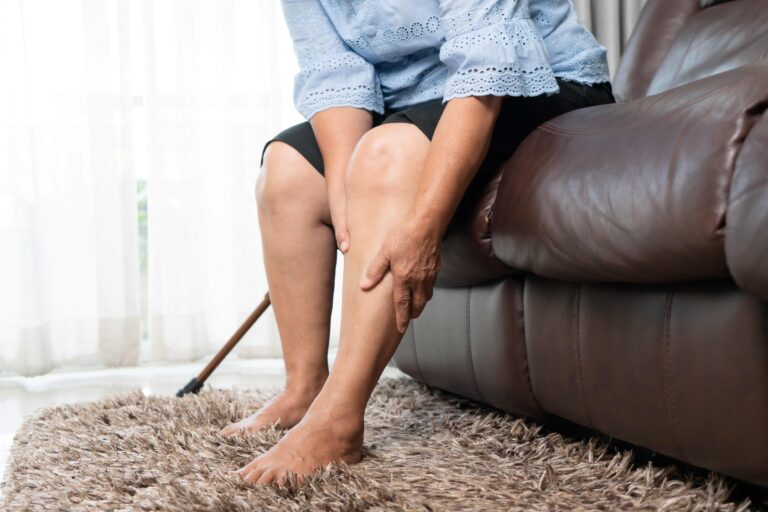
Walter was sixty-eight years old, a retired grain hauler living in a rural community with a single traffic light and no vascular surgeon. For three years, a cramp seized his right calf every time he walked just a single block. For three years, he chalked it up simply to aging. He stopped walking to the mailbox. He never brought it up during his routine diabetes checkups. By the time his daughter noticed the blackened tip of his second toe, the question posed in the vascular surgery clinic was no longer how to restore blood circulation—it was where along the leg to amputate.
While Walter is a composite portrait, every vascular surgeon has encountered patients like him far too late. Nor is Walter an outlier. Worldwide, more than 300 million people live with peripheral artery disease (PAD)—a progressive narrowing of the arteries that nourish the lower extremities. Countless patients learn the name of their condition only when a limb can no longer be salvaged.
What the Researchers Did
This paper culminates The Lancet’s series on PAD. It is not an individual clinical trial, but an exhaustive state-of-the-art review synthesizing the available evidence on the disease’s toll on individual patients and healthcare systems alike. Because it synthesizes prior investigations rather than enrolling a novel patient cohort, there is no single study sample size to report. Its clinical value lies in its sweeping breadth.
What They Found
The core message of the review is sobering. PAD affects more than 300 million people globally, substantially driving up the risk of major amputation, stroke, and myocardial infarction[1]. The authors also underscored three striking trends:
An unequally shared burden: Underserved, rural, low-income, and Indigenous populations shoulder a disproportionate share of both the disease burden and its catastrophic downstream limb loss.
Underutilized frontline diagnostics: Readily available, noninvasive diagnostic tools remain underused until patients develop extensive tissue loss or “rest pain”—a relentless, burning ache in the foot that typically strikes at night without any exertion.
No single silver bullet: Effective clinical management demands an integrated triad: rigorous medical therapy, structured exercise regimens, and judiciously timed revascularization procedures in carefully selected patients.
The numbers have…
ŞA
Medically reviewed by
Dr. Şekip Altunkan
Dr. Şekip Altunkan is an internal medicine specialist with extensive clinical experience. He trained at Hacettepe University Faculty of Medicine and later served as an Associate Professor in Internal Medicine. He founded and led the Metropol Internal Medicine and Hypertension Clinic in Ankara, pioneering non-invasive Electron Beam Tomography (EBT) cardiac imaging, arterial-stiffness measurement, and nationwide Holter monitoring. He currently practices at his private clinic in Ankara, focusing on hypertension, vascular health, cholesterol, diabetes and heart disease. He has published widely in national and international journals, serves as a peer reviewer for several international journals, and is the author of the book "Questions and Answers on Hypertension."