#hypertension_vascular_health

Aldosterone Synthase Inhibition: Lowering Blood Pressure in Resistant Chronic Kidney Disease
Medically Reviewed by Dr. Şekip Altunkan on Oct 31, 2026.
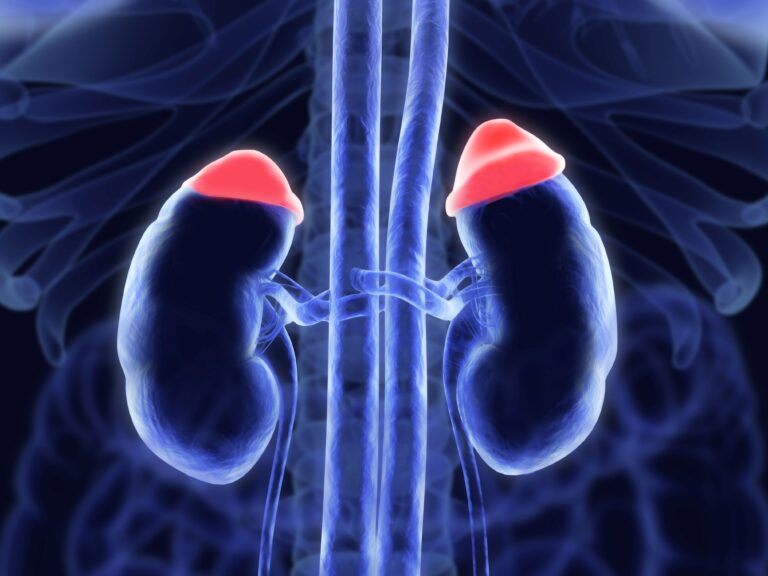
Medical illustration from Vitals Daily

Key Takeaway

In patients with chronic kidney disease, suppressing aldosterone directly at its enzymatic source—rather than blocking its receptor downstream—lowered systolic blood pressure by approximately 8 mmHg and reduced albuminuria by nearly one-third. While this blood pressure–lowering effect was remarkably consistent across clinical trials, uncertainties regarding potassium safety persist. Ultimately, definitive hard-outcome trials will determine whether this novel drug class secures a permanent role in cardiorenal therapeutics.

The Patient with Refractory Hypertension

Consider a 62-year-old man with stage 3 chronic kidney disease and type 2 diabetes. He is maintained on maximally tolerated doses of an angiotensin receptor blocker, a calcium channel blocker, and a thiazide diuretic, paired with strict dietary sodium restriction. Despite this regimen, his clinic systolic blood pressure stubbornly hovers around 148 mmHg, and his urinary albumin-to-creatinine ratio continues to climb. Clinical practice guidelines point to spironolactone as the logical next step; however, with his serum potassium already sitting at 5.1 mmol/L, his nephrologist rightfully hesitates[2]. Every internist recognizes this clinical dilemma. In chronic kidney disease, hypertension is both exceedingly common and notoriously difficult to control. Paradoxically, the pharmacotherapies that best target the underlying hormonal drivers carry the very risk these compromised kidneys are least equipped to tolerate:…

Medically reviewed by

Dr. Şekip Altunkan

Dr. Şekip Altunkan is an internal medicine specialist with extensive clinical experience. He trained at Hacettepe University Faculty of Medicine and later served as an Associate Professor in Internal Medicine. He founded and led the Metropol Internal Medicine and Hypertension Clinic in Ankara, pioneering non-invasive Electron Beam Tomography (EBT) cardiac imaging, arterial-stiffness measurement, and nationwide Holter monitoring. He currently practices at his private clinic in Ankara, focusing on hypertension, vascular health, cholesterol, diabetes and heart disease. He has published widely in national and international journals, serves as a peer reviewer for several international journals, and is the author of the book "Questions and Answers on Hypertension."

Share this article