Beyond LDL: Remnant Cholesterol and Vascular Inflammation
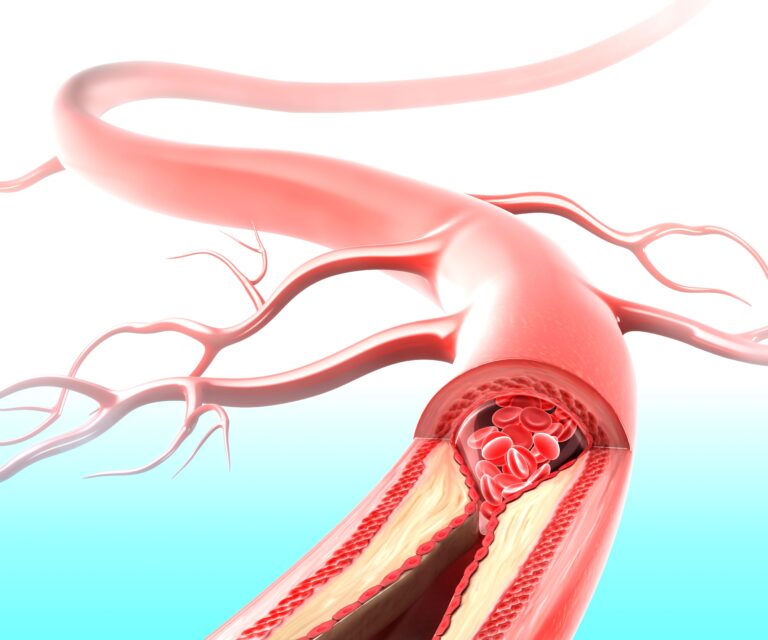
Key Takeaway: A comprehensive clinical shift in modern lipidology demonstrates that relying solely on ideal LDL levels (< 90 mg/dL) frequently masks severe subclinical atherosclerosis, driven instead by “remnant cholesterol”—the highly atherogenic, triglyceride-rich VLDL and chylomicron debris. Because these aggressive remnant particles directly penetrate the arterial wall and trigger vascular inflammation without needing prior oxidation, they perpetuate a chronic “metabolic fire” that statins alone fail to extinguish. Consequently, mitigating this substantial residual cardiovascular risk demands looking beyond standard lipid parameters, calculating remnant levels via simple math (Total Cholesterol − [HDL + LDL]), and adopting a holistic metabolic strategy centered on lifestyle interventions, carbohydrate restriction, and targeted triglyceride-lowering therapies.
Introduction: The Invisible Particles Disrupting the Landscape
In cardiology and internal medicine clinics, a long-standing habit persists: a patient arrives, the lipid panel is reviewed, and if the LDL (the so-called “bad cholesterol”) is below target values, the patient is sent away with the reassurance that “Everything is fine; your risk is low.” However, in our clinical practice, we encounter a striking reality: there is a large group of patients who continue to suffer heart attacks or develop atherosclerosis despite having ideal LDL levels. To better understand this critical issue, please read the full article.
First, I will mention a patient I examined recently. A 55-year-old male presented for a check-up because a colleague at his workplace had suffered a heart attack. The patient had no traditional risk factors; he was a non-smoker, his blood pressure was normal, and his LDL level was 86 mg/dL. Due to the patient’s persistence, I began investigating for subclinical atherosclerosis. I ordered a carotid ultrasound and a coronary artery calcium (CAC) score. Interestingly, the carotid scan revealed plaques causing moderate stenosis, and the CAC score was measured at 220. Despite the absence of traditional risk factors, the patient had moderate cardiovascular disease.
Who is the “hidden hand” causing atherosclerosis when the clinical picture appears so clean? The answer likely lies in the hottest topic of modern lipidology: Remnant Cholesterol. We now know that LDL is only the tip of the iceberg; there are other unknown dangers beneath the surface. Significant research indicates that these “remnant” particles, which are rich in triglycerides, pose a substantial risk.
What is Remnant Cholesterol? “The Debris Falling from the Garbage Truck”
The transport of fats in our body resembles a complex logistics system. Triglycerides are transported by large vehicles called chylomicrons and VLDL (Very Low-Density Lipoproteins). After these vehicles visit tissues and deliver their cargo (energy), they shrink. The cholesterol-enriched small particles remaining after this “unloading” process are called Remnant Cholesterol.
Think of it as a municipal service: garbage trucks (VLDL) circulate through the neighborhood to collect waste. If the truck’s lid isn’t tightly closed, small but sticky debris is constantly spilled onto the roads. These spilled wastes are even more dangerous than LDL because they penetrate the arterial wall much more easily and initiate permanent damage.
Vascular Inflammation: The Hidden Fire within the Arterial Wall
LDL particles generally need to be oxidized to cause atherosclerosis. However, remnant particles are so aggressive that they are directly engulfed by the defense cells called “macrophages” in the arterial wall without needing any modification.
This initiates a chronic inflammation in the vessel wall known as Vascular Inflammation. The artery no longer just narrows; it also becomes fragile. An inflamed arterial wall is like a volcano ready to erupt. High remnant cholesterol is one of the primary fuels feeding the fire beneath this volcano. Modern medicine acknowledges that remnant cholesterol contributes to the development of atherosclerosis independently of LDL.
How is Remnant Cholesterol Measured?
When interpreting a lipid panel for my patients, I tell them: “Looking only at LDL is like locking the front door but leaving the back door wide open.”
In clinical practice, complex tests are not required to measure remnant cholesterol. We can see it with simple math: Total Cholesterol – (HDL + LDL) = Remnant Cholesterol. If this figure is above 30 mg/dL, you are at risk even if your LDL is 70. This “remnant” amount is higher especially in individuals with increased waist circumference, insulin resistance, or diabetes. In patients I see in the clinic who have “low LDL but clogged arteries,” these ignored remnant particles are highly likely to be the culprit.
Nevertheless, the formula I wrote does not always show the risk accurately. Standardized measurement methods for remnant cholesterol are still lacking. Direct measurement methods are being developed but are not yet available for routine clinical use.
Residual Risk Despite Statins
One of the greatest dilemmas in modern medicine is “residual risk.” Statin drugs lower LDL tremendously; however, their effects on remnant cholesterol are limited. This is why some patients ask, “I am taking my medication, my cholesterol has dropped, but why are plaques still forming in my arteries?” I want to emphasize one point here to avoid misunderstanding: cholesterol-lowering drugs called statins have immense benefits regarding atherosclerosis.
So, why does atherosclerosis progress in some patients despite statins? The answer is simple: in these patients, the statin locked the front door, but the triglyceride and remnant debris in the backyard are still leaking into the vessel wall. Therefore, we should now frame our treatment strategy not just on lowering LDL, but on correcting the metabolism to clear these remnant particles.
Future Treatment Approaches (2025-2026)
The 2025-2026 perspectives (from organizations like ESC and AHA) are bringing “Non-HDL Cholesterol” and “Remnant Cholesterol” targets much more to the forefront. In treatment, focus is shifting not just to statins, but also toward Omega-3 derivatives (especially high-dose EPA) that regulate triglyceride metabolism and new-generation biological agents. Specifically, lifestyle changes, combating excess weight, and carbohydrate restriction are among the most natural ways to prevent these “garbage trucks” from spilling waste onto the road.
Conclusion: The Power of a Holistic View
Cardiovascular health is a complex balance that cannot be reduced to a single parameter. LDL cholesterol is a significant enemy, but remnant cholesterol is its sinister ally. As for triglycerides; while they may not cause direct vascular damage themselves, the cholesterol content of the remnant particles that carry these molecules is one of the main drivers of atherosclerosis. Future clinical guidelines are expected to include remnant cholesterol in routine risk assessments and recommend treatments targeting this specific lipid fraction.
Let’s reiterate our slogan: “Atherosclerosis is not just a build-up of fat; it is a metabolic fire.” If you truly want to protect your arteries, you must look beyond standard figures and take these hidden risk factors seriously. Remember; no matter how well you collect the trash, the small debris left on the street can eventually block the road entirely. One of the ways to protect your heart is to manage these small details.
Key Clinical Studies & Guidelines Reviewed
- Visseren FLJ, et al. (ESC): 2021 ESC Guidelines on cardiovascular disease prevention in clinical practice. European Heart Journal. 2021;42(34).
- Balling M, et al. VLDL Cholesterol Explains One-Third of the Relevant Cholesterol in the General Population. Journal of the American College of Cardiology (JACC). 2023;81(5):420-433.
- Nordestgaard BG, et al. Triglyceride-rich lipoproteins and high-density lipoprotein cholesterol in patients at high risk of cardiovascular disease. Lancet Diabetes & Endocrinology. 2015;3(1):68-81.
- Varbo A, Nordestgaard BG. Remnant Cholesterol and Ischemic Heart Disease. Arteriosclerosis, Thrombosis, and Vascular Biology (ATVB). 2016;36(11):2133-2135.
Medically reviewed by
Dr. Şekip Altunkan
Dr. Şekip Altunkan is an internal medicine specialist with extensive clinical experience. He trained at Hacettepe University Faculty of Medicine and later served as an Associate Professor in Internal Medicine. He founded and led the Metropol Internal Medicine and Hypertension Clinic in Ankara, pioneering non-invasive Electron Beam Tomography (EBT) cardiac imaging, arterial-stiffness measurement, and nationwide Holter monitoring. He currently practices at his private clinic in Ankara, focusing on hypertension, vascular health, cholesterol, diabetes and heart disease. He has published widely in national and international journals, serves as a peer reviewer for several international journals, and is the author of the book "Questions and Answers on Hypertension."