Left Atrial Appendage Thrombus Emerging Under Oral Anticoagulation: Incidence, Treatment Protocols, and the Clinical Roadmap in Atrial Fibrillation Ablation
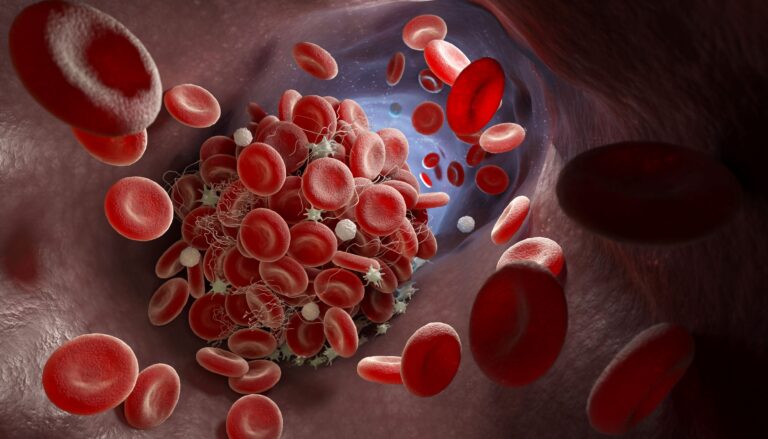
Key Takeaway: The detection of recurrent thrombus within the left atrial appendage under the protective umbrella of next-generation oral anticoagulant therapy is a malignant clinical entity that directly elevates the patient into the highest risk stratum for ischemic stroke and systemic thromboembolism. Continuing the current therapeutic regimen without modification represents a major strategic error, as it allows the thrombus to organize and become permanent, leading to the lowest rates of resolution. During windows of anticoagulant resistance, altering the drug class, intensifying the dose, or utilizing dual-mechanism combinations is imperative. While aggressive optimization of heart failure supported by SGLT2 inhibitors plays a pivotal role in reducing left atrial stasis during the medical management phase, atrial fibrillation ablation in the presence of resistant clot is only feasible through hybrid modalities that combine Pulsed Field Ablation and mechanical left atrial appendage closure devices in a single session.
Introduction: Historical and Philosophical Perspective
Throughout the history of medicine, the heart has been revered not merely as a mechanical pump sustaining life, but as the sacred epicenter of emotions, rhythm, and vital energy. From ancient physicians to the pioneers of modern cardiology, humanity has waged a continuous struggle to preserve the inner harmony of the heart. Atrial fibrillation represents the moment this immense harmony yields to a chaotic storm, where the heart forgets its own rhythmic melody. The most vulnerable, silent, and perhaps mysterious corner of this rhythmic chaos is the left atrial appendage (LAA). Shaped through evolutionary processes as a side chamber of the left atrium, this small blind gulf transforms into a calm but inescapable harbor in a stormy sea once the rhythm is lost.
With the dissipation of rhythmic coordination, the fluid dynamics within this blind pouch invert; the life-giving liquid stagnates, crystallizes, and evolves into a silent clot that threatens the organism’s own future. Although modern medicine has developed the protective molecular shields of next-generation oral anticoagulants to quell this thrombotic tempest, the complex dynamics of nature and pathophysiology occasionally forge gray zones capable of piercing even the most resilient armor.
Clinical Inquiry into a Case and Analysis of the Gray Zone
The motivation to compose this monograph crystallized from a specific case encountered in my clinical practice approximately six months ago. The patient presented with high ventricular rate atrial fibrillation and severe heart failure with a Left Ventricular Ejection Fraction of 20%, necessitating urgent hospitalization. During a two-day acute inpatient stabilization period, a transesophageal echocardiography (TEE) revealed a distinct thrombus within the left atrium. In accordance with established protocols, the patient was initiated on Rivaroxaban 20 mg/day and scheduled for a one-month follow-up. At the end of the first month, a repeat TEE objectively confirmed the complete resolution of the clot, and elective cardioversion was successfully performed.
Although the patient’s rhythm initially reverted to sinus rhythm, an arrhythmic recurrence unfortunately manifested one week later, plunging the patient back into the atrial fibrillation cycle. The clinical signs of heart failure had stabilized compared to the initial presentation but persisted. In the ensuing period, various medical therapies were implemented while the patient was instructed to continue Rivaroxaban 20 mg uninterrupted.
After five months, given the patient’s persistent arrhythmia burden and ongoing symptoms, a decision was made to pursue catheter ablation for rhythm control. However, during the routine pre-procedural safety TEE, it was discovered that a thrombus had re-formed within the left atrial appendage region (recurrent thrombus). Following this dramatic clinical surprise, the ablation procedure was immediately aborted, the patient was advised to strictly continue the current Rivaroxaban (Xarelto) regimen, and a follow-up appointment was scheduled for re-evaluation three months later.
At this juncture, the patient and their spouse contacted me to seek my counsel, driven by a justified anxiety regarding the future. The gray zone challenging our clinical vision commenced precisely here: In a patient who was actively taking an effective dose of Rivaroxaban 20 mg—and was thus biologically presumed to be anticoagulated—if a clot had re-formed, how rational was it to persist with the exact same failed medical strategy? During this passive observation window, it was highly probable that the clot would organize over time, undergo calcification, and entirely lose its window for lysis. Amidst these gray zones, sifting through the latest data of evidence-based medicine to illuminate this clinical paradox remains an unyielding duty of modern cardiology. This is precisely why I resolved to author this article for The Vault.
Pathophysiological Mechanisms and Left Atrial Stasis
Left atrial appendage thrombus developing on the substrate of atrial fibrillation remains the primary pathophysiological source of ischemic stroke and systemic thromboembolism, maintaining its formidable significance in cardiology practice. In normal sinus rhythm, the LAA clears its internal blood volume during each cardiac cycle through active contractile function and organized systolic coordination; however, this coordinated mechanical activity is entirely extinguished during atrial fibrillation. This loss induces pronounced blood stasis and turbulent flow vortices within the LAA, topically triggering the coagulation cascade. Especially in the presence of concomitant severe heart failure, the reduction in left ventricular systolic function backwardly elevates left atrial pressure, further deepening the hemodynamic stasis within the LAA. Clinical data confirm that the probability of detecting an LAA thrombus in patients with severe heart failure increases approximately threefold compared to the general population—a direct and inevitable consequence of this mechanical and hemodynamic degradation.
At the pathogenic axis, the three core components of Virchow’s triad—endothelial injury, blood stasis, and hypercoagulability—operate simultaneously. The reduced endocardial shear stress during atrial fibrillation dramatically decreases local nitric oxide synthesis, leading to widespread endothelial dysfunction. Concurrently, elevated levels of vascular endothelial growth factor (VEGF) upregulate tissue factor expression on the endothelial surface, activating coagulation pathways at the cellular level. The dense erythrocyte aggregation forming within this microenvironment, visualized via echocardiography as spontaneous echo contrast (the classic “smoke” or “sludge” appearance), constitutes the definitive precursor stage of thrombus formation.
The anatomical architecture and morphological variations of the left atrial appendage also exert a decisive influence on thrombogenesis. Multi-lobed structures and specifically configurations classified as “non-chicken wing” (such as the cactus, windsock, and cauliflower morphologies) geometrically impede the evacuation of blood from this blind pouch, significantly amplifying the thrombosis risk. An LAA emptying velocity detected below 20 cm/s during TEE measurements is recognized as one of the most potent independent indicators of this mechanical emptying defect and the presence of a persistent thrombus.
Incidence of Thrombus During New Generation Oral Anticoagulant (NOAC) Therapy
While next-generation oral anticoagulants (NOACs or DOACs) offer a safer, more predictable, and more convenient therapeutic profile for stroke prevention in non-valvular atrial fibrillation compared to vitamin K antagonists (VKAs), clinical literature demonstrates that “anticoagulant-resistant” clot formation cannot be entirely eliminated. Meta-analyses and large-scale prospective cohort studies reveal that a subset of patients receiving optimal and uninterrupted NOAC therapy either maintain a persistent LAA thrombus or develop a new one under active treatment. This is precisely the scenario that has manifested in our patient.
In large-scale meta-analyses, the prevalence of persistent or newly developing LAA thrombus in the appropriately anticoagulated general atrial fibrillation population is reported to be approximately 3.0%. However, in high-risk patient cohorts undergoing routine TEE or high-resolution computed tomography prior to elective cardioversion or catheter ablation, this rate can escalate to between 7.5% and 14.5%. Among atrial fibrillation patients with concomitant heart failure, the prevalence hovers around 12.8%, with a low left ventricular ejection fraction (LVEF < 40%) and an increased left atrial volume index (exceeding 34 mL/m²) emerging as the most critical independent risk factors.
The 14.5% thrombus prevalence observed in pre-cardioversion TEE series displays a robust correlation with renal impairment (eGFR < 56 mL/min) and advanced age. In screenings performed prior to catheter ablation, a thrombus rate of 12.0% is detected, where a low LAA emptying velocity (below 40 cm/s) serves as an independent predictor.
When broken down by specific molecules, the thrombus prevalence detected under Rivaroxaban (Xarelto) therapy is 8.4%, under Dabigatran 8.0%, and under Apixaban therapy 12.5%. While a history of vascular disease and a low mean LAA flow velocity come to the fore in Rivaroxaban cohorts, a multi-lobed appendage morphology and a high CHA2DS2-VASc score in the Dabigatran group, and advanced age combined with obesity (OR = 6.01) in the Apixaban group represent the primary parameters driving thrombus formation.
When comparing vitamin K antagonists with next-generation oral anticoagulants, comprehensive meta-analysis data indicate that NOAC use significantly reduces the incidence of LAA thrombus in primary stroke prevention compared to VKAs; the pooled relative risk is calculated as RR = 0.65, 95% confidence interval [0.47 – 0.90], p = 0.009. However, certain observational studies have reported comparable prevalence rates of thrombus under active treatment between both therapeutic arms.
This parity suggests that the biological dominance of mechanical stasis factors—such as advanced heart failure, high arrhythmia burden, tissue-level endothelial injury, and atrial remodeling—can override the pharmacological potency of the anticoagulant agent itself. Evaluating our patient’s echocardiographic and clinical parameters, I noted that the vast majority of these high-risk factors were actively present.
Clinical Decision Analysis: Evaluation of the “Continue Current NOAC Therapy” Decision
In the patient’s current clinical scenario, the strategy to “continue the exact same Xarelto therapy and re-evaluate after 3 months” following the detection of a recurrent thrombus under standard-dose Rivaroxaban 20 mg requires critical interrogation under the light of contemporary literature and evidence-based medicine. Clinical trials clearly demonstrate that for resistant or recurrent LAA thrombi developing under active anticoagulation, maintaining the baseline therapeutic regimen without modification yields the lowest rates of thrombus resolution.
Sustaining an unmodified anticoagulant strategy in a patient exhibiting a malignant left atrial appendage phenotype risks allowing the thrombus to organize over time, condense its fibrin mesh, calcify, and ultimately transform into an un-lysable, permanent mass. When the patient and their spouse reached out to me, this was the paramount hazard that occupied my mind. Indeed, large-scale clinical investigations validate this clinical intuition.
In the multicenter study conducted by Kolakowski and colleagues, any modification of the baseline therapy (such as changing the drug class, intensifying the dose, or implementing dual-mechanism combination strategies) achieved significantly higher thrombus resolution rates compared to maintaining the unchanged baseline regimen. Similarly, recently published observational data confirm the success of therapeutic modification, showing that transitioning to VKAs or executing intensified dosing regimens yields the highest success rates. Consequently, rather than tracking the patient for 3 months under a regimen with clinically proven failure, executing an active anticoagulant modification strategy from the outset represents a more rational, secure, and pro-active methodology.
Prognostic Implications of Left Atrial Thrombus Presence
The development or recurrence of an LAA thrombus despite active anticoagulation serves as an exceedingly unfavorable prognostic marker, directly impacting both short-term interventional plans and long-term cardiovascular survival parameters. The long-term prognostic ramifications of this clinical state can be dissected into three primary headings:
Systemic Embolism and Stroke Risk
The presence of an LAA thrombus accelerates the risk of ischemic stroke along a geometric curve. In the high-risk patient subgroup characterized by a “malignant LAA”—those generating clots despite optimal anticoagulation—the rates of recurrent stroke and systemic embolization are markedly higher than in conventional atrial fibrillation patients who respond to standard therapy. If the clot exhibits a mobile, fragile, or pedunculated character, the occlusive threat to the cerebral vasculature is multiplied.
Deferred Rhythm Control and the Tachycardiomyopathy Loop
Because the presence of a thrombus constitutes an absolute clinical contraindication for catheter ablation and electrical cardioversion, the process of restoring sinus rhythm is forcefully delayed. This delay compels the patient to remain in high xventricular rate atrial fibrillation for an extended duration, chronicizing tachycardia-induced cardiomyopathy (tachycardiomyopathy). This state feeds a profound vicious cycle that degrades heart failure symptoms, left ventricular systolic function, and overall functional capacity.
Device-Related Thrombosis (DRT) Risk
Even if these patients eventually undergo mechanical left atrial appendage closure (LAAC) for long-term stroke protection, individuals possessing a “malignant LAA” phenotype exhibit a significantly higher risk of developing fresh clots on the device surface (device-related thrombosis) compared to patients with standard risk profiles. This entity highlights a permanent, tissue-level systemic prothrombotic diathesis and points to an irreversible severity of local endocardial injury.
Treatment Protocol Options in the Event of Thrombus Development Under NOACs
While a single standardized schema for patients detected with an LAA thrombus during optimal NOAC therapy is not yet codified in current guidelines, four core therapeutic strategies are utilized in accordance with expert consensus reports and clinical trials.
- Transition to Vitamin K Antagonists (VKAs): In this protocol, the therapeutic INR target is maintained between 2.0 – 3.0; in highly resistant cases, the target may be elevated to the 2.5 – 3.5 range. By providing multi-factor inhibition (Factors II, VII, IX, and X) within the coagulation cascade, it represents the traditional method with the highest thrombus resolution success in NOAC-resistant cases. The evidence-based resolution success in resistant cohorts is reported between 50% and 60%.
- Intensified NOAC Dosing (RIVA-TWICE): This protocol entails administering Rivaroxaban 15 mg twice daily (BID), totaling 30 mg/day, for a duration of 8 weeks. The underlying pathophysiological mechanism is to eliminate the drop in trough plasma concentrations and maintain anti-Xa activity at an uncompromised maximum throughout the day. Clinical trials evaluating this intensive regimen reported no significant increase in major bleeding risks and achieved a complete thrombus resolution success rate of 46.7%.
- Switching to a Different Class of NOAC (Dabigatran): The patient is initiated on Dabigatran 150 mg twice daily (BID). Operating via direct thrombin (Factor IIa) inhibition, this molecule can molecularly break the thrombosis cascade that has proven resistant to factor Xa inhibitors. It offers a high thrombus resolution success rate of up to 71% in general cohort studies.
- Combination Therapeutic Regimen: This strategy involves adding Clopidogrel 75 mg/day (QD) to the active anticoagulant regimen for a brief window of 15 to 30 days. Simultaneously blocking both the coagulation cascade and platelet activation facilitates rapid clot lysis within a compressed 15–32 day timeline. However, it must be underscored that this combination significantly accentuates the risk of major hemorrhage.
During the clinical decision phase, the patient’s bleeding score (HAS-BLED), renal function (eGFR), and hepatic reserve must be meticulously audited to select the most appropriate of these four pathways. It must be considered that in patients with severe heart failure vulnerable to hepatic congestion, monitoring INR under VKA therapy can be highly volatile and challenging; in such settings, the RIVA-TWICE protocol or a transition to Dabigatran should be prioritized as safer alternatives.
Thrombus Resolution Times and Choice of Imaging
The timeline for the resolution of a thrombus within the left atrial appendage spans a broad spectrum ranging from 2 weeks to 30 weeks, dictated by whether the clot is acute (fresh) or organized (chronic), the baseline LAA flow velocity, and the intensity of the newly instituted anticoagulant regimen.
The standard 3-week anticoagulant therapy traditionally recommended by guidelines prior to elective cardioversion achieves LAA thrombus resolution in only 47% of patients; the remaining majority retain their clot beyond this window. In TEE follow-ups, thrombus resolution rates are reported at 41.5% at week 6 (data from the X-TRA trial) and 67% at week 8 (for RIVA-TWICE and general observational cohorts). Guided by these data, it becomes clear that the most rational and ideal time frame for the initial follow-up imaging after a therapeutic modification is between the 6th and 8th weeks. In resistant cases marked by severely depressed LAA velocities (below 20 cm/s) and profound left atrial anatomical remodeling, complete resolution can require 12–16 weeks, with extreme cases extending up to 11 months.
Regarding the comparison of imaging modalities, although transesophageal echocardiography (TEE) has historically been considered the gold standard for LAA thrombus identification, its semi-invasive nature, requirement for sedation, and operator dependence are notable limitations. Furthermore, TEE can occasionally occupy a diagnostic gray zone when attempting to differentiate ultra-slow flow (sludge/smoke) from a true organized thrombus. At this juncture, delayed-phase contrast-enhanced Cardiac Computed Tomography Angiography (CCTA) emerges as an excellent and highly comfortable complementary diagnostic tool. The delayed scanning protocol allows slow-flow regions where contrast entry is retarded to opacify completely, eliminating false positives and ruling out thrombus with a sensitivity of 96% and a specificity of 100%.
Clinical Roadmap and Interventional Approaches for Atrial Fibrillation Ablation
For this specific patient, who presents with recurrent thrombus detected under optimal NOAC therapy, a mildly improved EF, and persistent high ventricular rate atrial fibrillation, the contemporary and systematic clinical roadmap required prior to the planned catheter ablation is structured across four precise steps.
Step 1: Deferral of Interventional Procedures and Patient Stabilization
Because the presence of an active thrombus within the LAA constitutes an absolute contraindication for catheter ablation and electrical cardioversion, all scheduled rhythm control interventions must be immediately suspended. Given that the patient is in a high ventricular rate atrial fibrillation and heart failure state, priority must be given to optimizing medical therapies aimed at rate control and symptom alleviation.
Step 2: Multi-Faceted Optimization of Medical Therapy
- Heart Failure Management: In alignment with the 2024 ESC Atrial Fibrillation Guideline recommendations, SGLT2 inhibitors (Dapagliflozin or Empagliflozin) must be rapidly integrated into the regimen to support left ventricular function, decompress left atrial pressure, and diminish systemic congestion. Concomitant beta-blocker therapy, supplemented with digoxin if required, should be titrated to reduce the resting heart rate below 110 beats/minute.
- Anticoagulation Modification: The decision to “continue Xarelto 20 mg” must be rescinded, and an active modification strategy launched. Dependent upon the patient’s hepatic and renal reserves, they should either be transitioned to closely monitored Warfarin therapy or placed on the 8-week Rivaroxaban 15 mg BID (RIVA-TWICE) protocol. Alternatively, to establish direct thrombin inhibition, Dabigatran 150 mg BID can be initiated as a potent alternative.
Step 3: Re-Imaging and Resolution Verification
Between 6 to 8 weeks following the initiation of the modified anticoagulant strategy, a follow-up TEE or a delayed-protocol CCTA must be performed. The primary objective of this imaging is to objectively and radiologically verify whether the clot has completely dissolved or regressed to safe parameters.
Step 4: Decision Algorithmic Matrix (Based on Thrombus Status)
- Scenario A (Complete Resolution of the Thrombus): If follow-up imaging confirms the complete eradication of the thrombus, catheter ablation can be safely scheduled. On the day of the procedure, oral anticoagulation must not be withheld (uninterrupted protocol), and during the procedure—prior to transseptal puncture—an intravenous heparin infusion must be titrated to maintain the activated clotting time (ACT) precisely above 300 seconds.
- Scenario B (Persistent/Resistant Thrombus): If the LAA thrombus defies dissolution despite 3 to 6 months of intensified therapeutic modification, conventional left atrial catheter manipulation and standard ablation must be definitively cancelled. At this stage, two advanced interventional alternatives are available for patient management:
- The “No-Touch” Technique for Left Atrial Appendage Closure (LAAC): In experienced centers, the appendage can be mechanically sealed utilizing a specialized “no-touch” implantation technique, where the guide catheter and the device are deployed strictly at the ostial level without entering the LAA body, ensuring the internal clot is left undisturbed. Cerebral protection devices can be integrated into the system during this procedure to mitigate distal embolization risks.
- Single-Session Hybrid PFA and LAAC (The “One-Stop” Strategy): Pulsed Field Ablation (PFA) technology, which utilizes myocardium-selective electroporation rather than thermal energy, has rapidly entered clinical practice, significantly abbreviating procedural times and local inflammatory edema. For patients with highly resistant thrombi, a single transseptal puncture can be performed to initially execute pulmonary vein isolation (PVI) via PFA, immediately followed in the same session by the deployment of an LAA closure device (such as the Watchman FLX or Amulet) to mechanically trap the clot internally. This hybrid approach effectively rescues the patient from high-rate atrial fibrillation while permanently eliminating the long-term mandate for oral anticoagulation and its attendant bleeding risks, providing definitive stroke protection.
Conclusion and Clinical Recommendations
The recurrence of an LAA thrombus under optimal Rivaroxaban therapy against a background of severe heart failure and persistent atrial fibrillation represents a malignant clinical state that drives the patient’s ischemic stroke risk to an absolute peak, mandating an immediate shift in strategy. Persisting with the current Xarelto regimen is irrational given the poor thrombus resolution data documented in contemporary literature.
The ideal clinical management path requires modifying the anticoagulant arm by transitioning to Warfarin or intensifying therapy to Rivaroxaban 15 mg BID or Dabigatran 150 mg BID, while simultaneously maximizing heart failure optimization through SGLT2 inhibitors. Thrombus resolution must be monitored via delayed-contrast Cardiac CT or TEE 6–8 weeks post-modification; for clots that prove resistant, “one-stop” hybrid interventional strategies combining PFA ablation and mechanical LAA closure device implantation in a single setting should be prioritized to secure rhythm control and negate thromboembolic hazards.
Molecular Footnotes and Flawless Evidences
A molecular dissection of the endothelial microenvironment within the left atrial appendage uncovers the intricate signaling cascades that mediate anticoagulant resistance. During atrial fibrillation, the decrement in mechanical shear stress represses Kruppel-like Factor 2 (KLF2) expression in endocardial cells; this repression deactivates endothelial nitric oxide synthase (eNOS), reducing local nitric oxide (NO) bioavailability to a minimum. This NO deficit induces the nuclear factor kappa B (NF-κB) pathway, upregulating the surface expression of inflammatory adhesion molecules, specifically vascular cell adhesion molecule-1 (VCAM-1) and intercellular adhesion molecule-1 (ICAM-1).
Simultaneously, localized stasis-induced hypoxia triggers the activation of Hypoxia-Inducible Factor 1-Alpha (HIF-1α); this translational activation drives a dramatic surge in Vascular Endothelial Growth Factor (VEGF) secretion. High VEGF concentrations signal through Vascular Endothelial Growth Factor Receptor-2 (VEGFR2) on endothelial cells, upregulating Tissue Factor (TF – Factor III) expression. Within this microcirculatory milieu, the selective Factor Xa inhibition provided by Rivaroxaban may prove insufficient to suppress the massive thrombin (Factor IIa) generation sparked by overexpressed tissue factor. Particularly in complex phases where the clot becomes enriched with platelets via glycoprotein IIb/IIIa receptor activation, the competitive binding of Dabigatran directly to the active site of thrombin, or dual-mechanism combinations, can re-establish the protein C/protein S equilibrium and successfully breach the molecular resistance barrier.
“Medicine is the unchanging, timeless wisdom of truths that shift within the flow of time.”
Key Clinical Studies & Guidelines Reviewed
- Lip GYH, et al. Left atrial thrombus resolution in atrial fibrillation or flutter: Results of a prospective study with rivaroxaban (X-TRA) and a retrospective observational registry providing baseline data (CLOT-AF). Am Heart J. PMID: 27502860
- Kolakowski K, et al. The Comparative Effectiveness and Safety of Different Anticoagulation Strategies for Treatment of Left Atrial Thrombosis in the Setting of Chronic Anticoagulation for Atrial Fibrillation or Flutter. Cardiovasc Drugs Ther. PMID: 34669102
- Karwowski J, et al. Left atrial appendage thrombus in patients with atrial fibrillation who underwent oral anticoagulation. Cardiol J. PMID: 35703043
- Stolterfoht H, et al. Left atrial appendage thrombus detection in routine workflow for patients with atrial fibrillation under oral anticoagulation: transoesophageal echocardiography vs. cardiac computed tomography. Eur Heart J Imaging Methods Pract. PMID: 41278527
- Faggiona P, et al. Prevalence and Rate of Resolution of Left Atrial Thrombus in Patients with Non-Valvular Atrial Fibrillation: A Two-Center Retrospective Real-World Study. J Clin Med. PMID: 35329845
- Cheng YY, et al. Left Atrial Appendage Thrombosis and Oral Anticoagulants: A Meta-Analysis of Risk and Treatment Response. J Cardiovasc Dev Dis. PMID: 36286303
- Anic A, et al. Diagnostic and therapeutic pathways for the malignant left atrial appendage: European Heart Rhythm Association physician survey. 2023. PMID: 37440757
- Chatani R, et al. Management strategies to prevent stroke in patients with atrial fibrillation and malignant left atrial appendage. Heart Rhythm. PMID: 39521029
- Piotrowski R, et al. RIVAroxaban TWICE daily for lysis of thrombus in the left atrial appendage in patients with non-valvular atrial fibrillation: the RIVA-TWICE study. Arch Med Sci. PMID: 32190138
- Nagy KV, et al. Overcoming NOAC-resistant left atrial appendage thrombus in atrial fibrillation: clinical gaps and therapeutic insights. Front Cardiovasc Med. PMID: 41079579
- Erickson M, et al. Incidence of left atrial appendage thrombus despite 3 weeks of anticoagulation and the need for precardioversion echocardiography. Ann Noninvasive Electrocardiol. PMID: 35802810
- Tarantini G, et al. Percutaneous left atrial appendage occlusion in patients with atrial fibrillation and left appendage thrombus: feasibility, safety and clinical efficacy. 2018. PMID: 29086706
- Yu S, et al. Cardiac Computed Tomography Versus Transesophageal Echocardiography for the Detection of Left Atrial Appendage Thrombus: A Systemic Review and Meta‐Analysis. Journal of the American Heart Association. PMID: 34796743
- Tam MTK, et al. Combined Pulsed Field Ablation and Left Atrial Appendage Occlusion – A Multicenter Comparative Study. Heart Rhythm. PMID: 40122196
Medically reviewed by
Dr. Şekip Altunkan
Dr. Şekip Altunkan is an internal medicine specialist with extensive clinical experience. He trained at Hacettepe University Faculty of Medicine and later served as an Associate Professor in Internal Medicine. He founded and led the Metropol Internal Medicine and Hypertension Clinic in Ankara, pioneering non-invasive Electron Beam Tomography (EBT) cardiac imaging, arterial-stiffness measurement, and nationwide Holter monitoring. He currently practices at his private clinic in Ankara, focusing on hypertension, vascular health, cholesterol, diabetes and heart disease. He has published widely in national and international journals, serves as a peer reviewer for several international journals, and is the author of the book "Questions and Answers on Hypertension."