The Gut Breach Behind Your Next Heart Attack
Key Takeaway: In patients with existing heart disease, a “leaky” gut—which allows bacterial toxins to seep into the bloodstream after meals—was linked to a 42% increased risk of future heart attack and stroke over a seven-year follow-up. The Mediterranean diet proved superior to a simple low-fat diet in countering this hidden threat, offering a concrete nutritional strategy to protect the cardiovascular system from the inside out.
A Silent Danger After Every Meal
A silent inflammatory wave originating from your gut after you eat may be setting the stage for your next heart attack. That sentence sounds like an exaggeration—the kind of claim that might belong on a dietary supplement label rather than in a medical journal. But a rigorous seven-year clinical trial provides compelling evidence that it may be closer to fact than fiction. The barrier lining your intestines, just a single cell layer thick, may be the silent factor determining whether your heart remains safe or heads toward disaster. And here’s the most exciting part: what you put on your plate appears to be one of the most powerful tools for keeping that barrier intact.
Details of the CORDIOPREV Study
The findings come from CORDIOPREV, a large randomized controlled trial conducted in Spain involving 1,002 patients diagnosed with coronary heart disease. Participants were randomly assigned to one of two groups: one following a Mediterranean diet rich in extra virgin olive oil, vegetables, legumes, and fish, or one following a traditional low-fat, high-complex-carbohydrate diet. Researchers then monitored the patients for a median of seven years, recording major adverse cardiovascular events—heart attacks, strokes, and cardiovascular deaths.
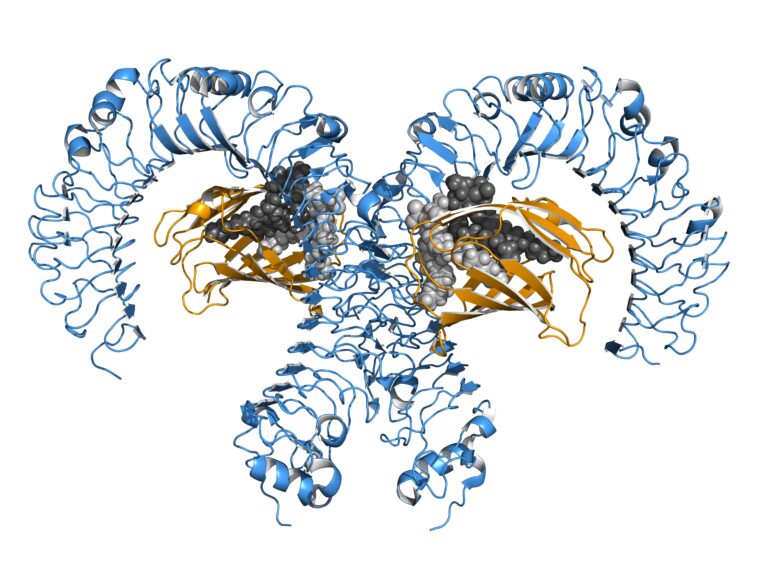
What set this study apart was its focus on a molecule most cardiologists rarely discuss: lipopolysaccharide, or LPS. LPS is part of the outer membrane of gram-negative bacteria that normally live in the gut[2]. When the intestinal barrier is healthy, LPS stays where it belongs—inside the intestinal lumen. But when this barrier becomes permeable, especially when a meal containing fat challenges the gut wall, LPS can leak into the bloodstream.
Researchers measured plasma LPS levels at baseline, before and after a standard test meal, and then followed the patients for years. The results were striking. Patients with the highest post-meal spike in LPS levels—indicating greater gut barrier dysfunction—had a 42% higher risk of recurrent major adverse cardiovascular events compared to those with a lower post-meal increase (hazard ratio 1.42, 95% CI 1.01–2.00)[1]. Among patients with a moderate post-meal LPS increase, those on the low-fat diet had a significantly higher event rate than those on the Mediterranean diet (HR 1.45). Encouragingly, both diets reduced postprandial LPS concentrations over the course of the study, but the Mediterranean diet conferred superior cardiovascular protection.
Why a Leaky Gut Threatens the Heart
To understand why a molecule from gut bacteria can trigger a heart attack, one must grasp the architecture of the intestinal barrier. The gut wall is composed of a single layer of epithelial cells held together by tight junction proteins—claudins, occludins, and zonula occludens—that form a selective gate between intestinal contents and the bloodstream[3]. When these junctions loosen, the barrier becomes permeable, a condition colloquially known as “leaky gut.”
Once LPS enters circulation, it binds to Toll-like receptor 4 (TLR4) on immune cells, triggering a cascade of pro-inflammatory cytokines, including interleukin-6, tumor necrosis factor-alpha, and interleukin-1 beta[4]. This is not a trivial biochemical detail—this is the very inflammatory mechanism that destabilizes atherosclerotic plaques. Inflamed plaques are vulnerable plaques. They rupture. And when they rupture, they cause heart attacks and strokes.
The postprandial period—the hours after a meal—is a particularly vulnerable window. Fat absorption transiently increases intestinal permeability, and in patients whose barrier is already compromised by chronic inflammation, metabolic syndrome, or dysbiosis, this temporary opening becomes a recurring flood of endotoxins into the blood[5]. Repeat that three or four times a day, 365 days a year, for seven years, and you begin to see how a leaky gut can quietly drive cardiovascular risk.
The protective effect of the Mediterranean diet likely relies on multiple overlapping mechanisms. Polyphenols from olive oil and vegetables strengthen tight junction integrity. Omega-3 fatty acids from fish reduce gut inflammation. Dietary fiber feeds beneficial gut bacteria that produce short-chain fatty acids like butyrate, the primary fuel for the cells that form the barrier—the colonocytes[6]. A low-fat diet, while reducing total fat intake, may lack these specific bioactive compounds that actively repair and protect the gut lining.
Notable Limitations
The CORDIOPREV cohort consisted of patients with existing coronary heart disease in a Mediterranean country, so the findings may not be directly generalizable to populations with different genetic backgrounds or baseline diets. LPS measurement is technically challenging, and postprandial levels can vary depending on the composition and timing of the test meal. Additionally, while the association between post-meal LPS and cardiovascular events is strong, even observational associations within a randomized trial cannot definitively prove causation. Future studies must determine if interventions specifically targeting gut permeability can conclusively reduce cardiovascular outcomes.
What These Findings Mean for Tomorrow’s Patients
For the millions of people living with coronary heart disease, this research offers a truly hopeful message: the gut barrier is a modifiable structure, and the tool to modify it is already in your kitchen. The Mediterranean diet isn’t just a heart-healthy eating pattern—it appears to address a previously overlooked axis of cardiovascular risk by fortifying the gut wall against post-meal endotoxin leakage.
High postprandial endotoxemia can be considered a mechanistic and prognostic risk signal, rather than a definitive cause of cardiovascular events. High-fat meals have been shown to elevate endotoxin levels, impair endothelial function, and amplify inflammatory responses, particularly in states of obesity, diabetes, and high postprandial triglyceridemia[7].
The general literature on lipids has shown that postprandial lipemia is associated with coronary heart disease, carotid thickening, endothelial damage, and future cardiovascular events. Endotoxemia appears to be a reliable component of this post-meal risk network, rather than a standalone proven cause of events[8].
The practical takeaways from this study are clear. Extra virgin olive oil as your primary source of fat. Abundant vegetables, legumes, and whole grains. Fish several times a week. Nuts in reasonable portions. These are not exotic prescriptions—they are the building blocks of a dietary pattern that now has evidence supporting its ability to protect both the gut and the heart simultaneously.
We are entering an era where cardiologists may need to think about the gut lining with the same seriousness they reserve for the coronary arteries. The gut-heart axis is no longer a theoretical curiosity. It is a measurable, modifiable target—and the Mediterranean diet is, so far, the most evidence-based way to fortify it. That isn’t just good news. For patients with heart disease, it could be lifesaving.
Scientific Sources
- Arenas-Montes J, et al. High postprandial endotoxemia is associated with recurrence of cardiovascular events in patients with coronary heart disease: from the CORDIOPREV randomized clinical trial. The American journal of clinical nutrition. 2026;124(1):101323. PubMed: https://pubmed.ncbi.nlm.nih.gov/42386249/
- Raetz CR, et al. Lipopolysaccharide endotoxins. Annu Rev Biochem. 2002. PMID: 12045108
- Turner JR. Intestinal mucosal barrier function in health and disease. Nat Rev Immunol. 2009. PMID: 19855405
- Lu YC, et al. LPS/TLR4 signal transduction pathway. Cytokine. 2008. PMID: 18304834
- Cani PD, et al. Metabolic endotoxemia initiates obesity and insulin resistance. Diabetes. 2007. PMID: 17456850
- Roediger WE. Role of anaerobic bacteria in the metabolic welfare of the colonic mucosa in man. Gut. 1980. PMID: 7429343
- Erridge C, et al. A high-fat meal induces low-grade endotoxemia: evidence of a novel mechanism of postprandial inflammation. Am J Clin Nutr.2007. PMID: 17991637
- O’Keefe J, et al. Postprandial hyperglycemia/hyperlipidemia (postprandial dysmetabolism) is a cardiovascular risk factor. Am J Cardiol. 2007. PMID: 17719342
Medically reviewed by
Dr. Şekip Altunkan
Dr. Şekip Altunkan is an internal medicine specialist with extensive clinical experience. He trained at Hacettepe University Faculty of Medicine and later served as an Associate Professor in Internal Medicine. He founded and led the Metropol Internal Medicine and Hypertension Clinic in Ankara, pioneering non-invasive Electron Beam Tomography (EBT) cardiac imaging, arterial-stiffness measurement, and nationwide Holter monitoring. He currently practices at his private clinic in Ankara, focusing on hypertension, vascular health, cholesterol, diabetes and heart disease. He has published widely in national and international journals, serves as a peer reviewer for several international journals, and is the author of the book "Questions and Answers on Hypertension."