The Triad Keeping Your Brain Young—or Letting It Slide
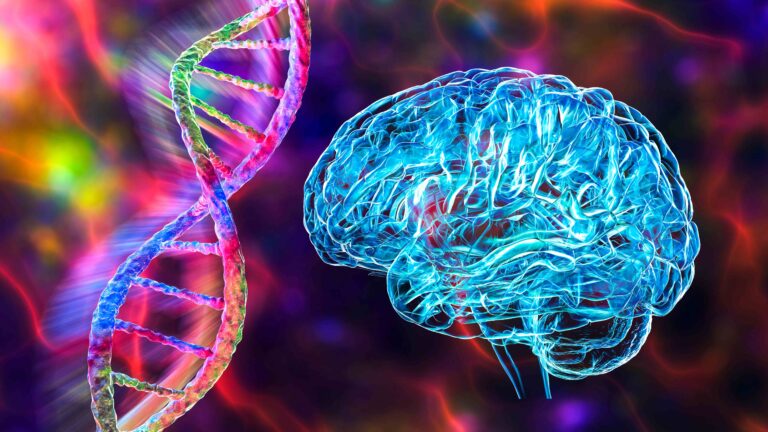
Key Takeaway: A comprehensive recent review proposes that nutrition, sleep, and circadian rhythm should be viewed not as separate lifestyle factors, but as a tightly interconnected axis regulating brain aging. Dysfunction in any one of these pillars can disrupt the others, accelerating the molecular processes behind Alzheimer’s and Parkinson’s diseases. Emerging interventions like chrononutrition and light therapy may offer a path to protection.
When the Clock Breaks, the Brain Pays the Price
Consider a 62-year-old woman who eats reasonably well but works a rotating shift schedule. She sleeps in four-hour fragments, eats her largest meal at midnight, and hasn’t seen consistent morning sunlight in years. On paper, her diet might seem adequate. In practice, her brain may be under siege. While advanced age brings a host of metabolic and neuroimmune dysregulations, a growing body of evidence suggests that three modifiable pillars—nutrition, sleep, and circadian rhythm—may hold the key to neuronal resilience. A recent review synthesizes decades of research into a holistic framework, proposing that these three domains form a single biological axis whose integrity largely determines whether the aging brain stays fit or slides toward neurodegeneration.
Scope of the Review
This comprehensive review article integrated evidence from molecular biology, neuroscience, nutrition science, and chronobiology to examine how the nutrition-sleep-circadian rhythm axis relates to the pathogenesis of Alzheimer’s (AD) and Parkinson’s (PD) diseases. Rather than a single clinical trial, the work is a synthesis, carefully weaving together preclinical studies, epidemiological data, and mechanistic research into a coherent model. The authors posit that dysfunction in this triad accelerates neurodegeneration through impaired glymphatic clearance, abnormal protein aggregation, and widespread metabolic imbalance[1]. They identify key molecular pathways driving this process: mitochondrial dysfunction, chronic neuroinflammation, clock gene dysregulation, and disruption of the gut-brain axis. Critically, the review examines emerging interventions like chrononutrition, the Mediterranean diet, time-restricted eating, and light-based therapies as promising strategies to preserve cognitive function.
The Mechanism: The Triad Governing Brain Maintenance
To understand why these three pillars are so profoundly important, one must know how the brain cleans itself. During deep sleep, the glymphatic system—a network of channels surrounding blood vessels in the brain—flushes out metabolic waste, including beta-amyloid and tau, the toxic proteins that accumulate in Alzheimer’s disease[2]. This waste clearance system is most active during slow-wave sleep and is regulated by circadian timing. When sleep is fragmented or mistimed, glymphatic performance falters, and toxic proteins can begin to accumulate. A single night of sleep deprivation has been shown to increase beta-amyloid levels in the human brain[3]. Imagine what years of poor sleep can do.
Now, add nutrition to the equation. The food we eat doesn’t just fuel the body; it regulates neuroinflammation, mitochondrial function, and the composition of the gut microbiome. The gut-brain axis, a bidirectional communication highway between gut microbes and the central nervous system, is deeply influenced by diet[4]. A diet rich in ultra-processed foods and poor in fiber can shift the microbiome to a pro-inflammatory state, producing metabolites that can cross the blood-brain barrier and activate microglia, the brain’s resident immune cells. Chronically activated microglia contribute to the neuroinflammation seen in both AD and PD.
The circadian system ties all these elements together. The suprachiasmatic nucleus (SCN) in the hypothalamus acts as the body’s master clock, synchronizing peripheral clocks in nearly every organ, including the gut and brain[5]. Clock genes like BMAL1 and CLOCK orchestrate not only the sleep-wake cycle but also mitochondrial biogenesis, antioxidant defenses, and autophagy—the cellular housekeeping process that clears damaged proteins and organelles. When these clock genes are disrupted by irregular light exposure, shift work, or erratic meal timing, the consequences ripple through every system the review examines. Mitochondria produce more reactive oxygen species. Autophagy slows. Inflammation rises. The brain’s ability to repair itself diminishes.
What makes the review’s framework so compelling is its recognition that these are not parallel pathways but an interconnected loop. Poor nutrition disrupts sleep architecture. Poor sleep desynchronizes circadian rhythms. Disrupted circadian rhythms alter appetite hormones and gut motility, leading to poorer dietary choices. This axis can either enter a downward spiral or, with intervention, gain upward momentum.
Emerging Interventions: Timing May Be Everything
The review highlights several strategies that target this axis simultaneously. Chrononutrition, the practice of aligning nutrient intake with circadian biology, is gaining traction as a way to optimize metabolic health. Time-restricted eating, in which food intake is limited to an 8- to 10-hour window during daylight hours, has been shown to improve markers of metabolic health and may enhance circadian alignment[6]. The Mediterranean diet, rich in polyphenols, omega-3 fatty acids, and fiber, has been repeatedly associated with a lower risk of cognitive decline[7]. Light-based therapies, particularly bright light exposure in the morning, can reset a shifted circadian clock and improve sleep quality in older adults.
Noteworthy Limitations
This work is a review article, not a meta-analysis or a randomized controlled trial. It synthesizes existing evidence into a conceptual framework, which means it reflects the authors’ interpretation of a broad body of literature. Many of the mechanistic pathways described have been established in animal models and may not translate directly to clinical outcomes in humans. While the interventions discussed—chrononutrition, time-restricted eating, light therapy—are promising, they still lack the large-scale, long-term randomized trials needed to establish definitive clinical guidelines. Furthermore, individual differences in genetics, microbiome composition, and existing health conditions mean that a “one-size-fits-all” approach remains out of reach.
Conclusion: What These Findings Mean for Your Future
The practical message from this review is both simple and profound: when you eat, how you sleep, and how you synchronize your daily rhythms are not separate lifestyle choices but a single, integrated system that shapes the trajectory of your brain’s aging. For anyone concerned about their long-term cognitive health, the evidence suggests a few concrete steps may be paramount. Prioritize consistent sleep timing. Consume nutrient-dense meals within daylight hours. Get morning sunlight. These are not exotic interventions but ancestral behaviors that modern life has quietly eroded. Reclaiming them may be one of the most powerful things we can do to protect the aging brain.
Scientific Sources
- Basha S, et al. The nutrition-sleep-circadian axis in age-related neurodegeneration: Cellular mechanisms, metabolic dysfunction, and neuroprotective interventions. Ageing research reviews. 2026;121:103310. PubMed: https://pubmed.ncbi.nlm.nih.gov/42612710/
- Jessen NA, et al. The Glymphatic System: A Beginner’s Guide. Neurochem Res. 2015. DOI: 10.1007/s11064-015-1581-6
- Shokri-Kojori E, et al. β-Amyloid accumulation in the human brain after one night of sleep deprivation. Proc Natl Acad Sci U S A. 2018. DOI: 10.1073/pnas.1721694115
- Cryan JF, et al. The Microbiota-Gut-Brain Axis. Physiol Rev. 2019. DOI: 10.1152/physrev.00018.2018
- Reppert SM, et al. Coordination of circadian timing in mammals. Nature. 2002. DOI: 10.1038/nature00965
- Wilkinson MJ, et al. Ten-Hour Time-Restricted Eating Reduces Weight, Blood Pressure, and Atherogenic Lipids in Patients with Metabolic Syndrome. Cell Metab. 2020. DOI: 10.1016/j.cmet.2019.11.004
- Scarmeas N, et al. Mediterranean diet and risk for Alzheimer’s disease. Ann Neurol. 2006. DOI: 10.1002/ana.20854
Medically reviewed by
Dr. Şekip Altunkan
Dr. Şekip Altunkan is an internal medicine specialist with extensive clinical experience. He trained at Hacettepe University Faculty of Medicine and later served as an Associate Professor in Internal Medicine. He founded and led the Metropol Internal Medicine and Hypertension Clinic in Ankara, pioneering non-invasive Electron Beam Tomography (EBT) cardiac imaging, arterial-stiffness measurement, and nationwide Holter monitoring. He currently practices at his private clinic in Ankara, focusing on hypertension, vascular health, cholesterol, diabetes and heart disease. He has published widely in national and international journals, serves as a peer reviewer for several international journals, and is the author of the book "Questions and Answers on Hypertension."