Unexplained Falls and Syncope in Older Adults: Autonomic Failure, Hemodynamic Collapse and Triage
Key Takeaways
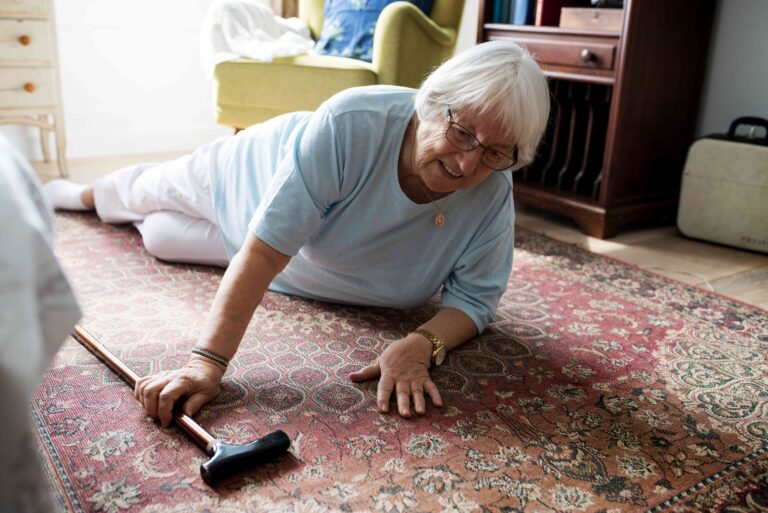
- In older adults, syncope and unexplained falls frequently overlap. Retrograde amnesia for transient loss of consciousness is common, and the absence of prodromal symptoms is typical. As a natural consequence of this clinical picture, cardiovascular collapse is often documented as a mechanical fall. Every fall that lacks an explicit history of tripping, remains unexplained, is recurrent, or results in trauma warrants a systematic syncope-focused evaluation.
- The primary underlying mechanism is failure of beat-to-beat blood pressure regulation. Age-related baroreflex impairment, arterial stiffening, preload-dependent diastolic filling, and blunted renin-aldosterone and thirst responses are further compounded by neurogenic autonomic failure, postprandial splanchnic pooling, carotid sinus hypersensitivity, conduction system disease, and vasoactive polypharmacy.
- Orthostatic hypotension is defined as a sustained reduction in systolic blood pressure of at least 20 mmHg or diastolic blood pressure of at least 10 mmHg within the first three minutes of standing. In the presence of supine hypertension, the systolic cutoff is taken as 30 mmHg. A heart rate increase of less than 0.5 beats per minute per mmHg of systolic drop suggests a neurogenic etiology. A diagnosis of carotid sinus hypersensitivity requires an asystolic pause of 3 seconds or longer or a systolic drop of 50 mmHg or greater. A single normal measurement obtained in the afternoon does not exclude orthostatic hypotension; the assessment should be repeated in the morning.
- Risk stratification must precede diagnostic workup. When high-risk criteria are identified, urgent monitored observation or hospitalization is prioritized; these criteria include syncope occurring during exertion or in the supine position, structural heart disease, Mobitz type II or complete heart block, bifascicular block, sinus bradycardia below 40 beats per minute while awake, and palpitations immediately preceding collapse. Low-risk reflex or orthostatic phenotypes should be managed in the outpatient setting; in unexplained recurrent episodes, early use of an implantable loop recorder is favored.
- Deprescribing should be prioritized before initiating vasopressor therapy. Alpha-1 blockers, nitrates, tricyclic antidepressants, and sedatives should be discontinued, while reflexive withdrawal of clinically indicated antihypertensives must be avoided. In pharmacological management, midodrine should be titrated from a starting dose of 2.5 mg three times daily and droxidopa from 100 mg three times daily, with close monitoring of supine blood pressure throughout titration.
Introduction and Clinical Background
Falls in older adults are generally viewed as the consequence of gait disorders, visual impairment, sarcopenia, and environmental factors, whereas syncope is approached as a cardiovascular pathology. This distinction is clinically artificial. A substantial proportion of falls labeled as “mechanical” are, upon closer questioning, episodes of transient global cerebral hypoperfusion for which the patient has no recollection of losing consciousness. Amnesia for the event, absence of witnesses, and the brevity of the episode combine to obscure the diagnostic signal. Patients report only suddenly finding themselves on the ground. The consequences of missing this presentation are asymmetric: while the resulting hip fracture is surgically repaired and treated, the underlying atrioventricular block, carotid sinus syndrome, or neurogenic orthostatic hypotension continues to recur.
The epidemiological burden is largely driven by orthostatic hypotension. In community-based cohorts, the prevalence of orthostatic hypotension rises from 5% in middle-aged adults to approximately 20% in older individuals. This condition is associated with an up to 50% increase in the relative risk of all-cause mortality[1]. It markedly increases the risks of falls, fractures, dementia, and death, presenting daily in emergency departments and acute medical wards[2]. Its relationship with cognitive decline is bidirectional: recurrent cerebral hypoperfusion may accelerate neurodegeneration, while disorders such as dementia with Lewy bodies and multiple system atrophy inherently produce autonomic failure as part of their phenotype.
The classical diagnostic framework for syncope in the elderly categorizes etiology into cardiac disorders, neurally mediated reflex syndromes, orthostatic hypotension, and carotid sinus syndrome. A meticulous history and physical examination establish a definitive diagnosis in approximately half of cases. The most critical and decisive initial step is distinguishing patients with heart disease—who face a two-fold increase in mortality—from those with reflex syncope, which carries a benign prognosis[3]. In older patients, however, this dichotomy rarely presents as a clean clinical picture due to the coexistence of multiple mechanisms. For instance, a patient with sinus node disease may concurrently be taking doxazosin, have diabetic autonomic neuropathy, and develop postprandial hypotension following lunch.
The term “drop attack” clearly exemplifies this diagnostic complexity. It is frequently applied in a non-specific manner to describe any sudden collapse, with or without loss of consciousness. Although the most common causes are of cardiovascular origin, vestibular dysfunction also frequently contributes in the elderly population. Rather than pursuing a single unifying diagnosis, falls in this cohort must be conceptualized through the lens of frailty and multifactorial risk[4]. This review provides a comprehensive synthesis of hemodynamic and autonomic mechanisms, the quantitative evidence linking these mechanisms to falls, and a stratified bedside algorithm for older adults presenting with unexplained falls.
Molecular and Pathophysiological Mechanisms
Orthostatic Physiology and the Aging Baroreflex
Upon standing, approximately 500 to 800 mL of blood shifts within seconds into the lower extremities and the splanchnic circulation. Venous return, stroke volume, and arterial pressure decrease. Unloading of carotid sinus and aortic arch baroreceptors diminishes afferent impulse transmission via the glossopharyngeal and vagus nerves to the nucleus tractus solitarius. This disinhibits the rostral ventrolateral medulla and withdraws vagal tone originating from the nucleus ambiguus. Subsequent sympathetic efferent discharge releases norepinephrine onto vascular alpha-1 adrenoceptors, producing arteriolar and venous constriction, and onto cardiac beta-1 receptors, mediating increases in heart rate and contractility. The skeletal muscle pump, along with the renin-angiotensin-aldosterone and vasopressin axes, provides a slower, volume-dependent backstop.
Aging disrupts nearly every step of this cascade. Arterial stiffening decreases baroreceptor deformation per unit change in pressure, thereby reducing baroreflex sensitivity. Blunted cardiac beta-adrenergic responsiveness limits chronotropic compensation. Left ventricular diastolic stiffness renders stroke volume exquisitely preload-dependent; consequently, even modest venous pooling or volume contraction induces disproportionate declines in cardiac output. Plasma renin and aldosterone levels are lower, natriuretic peptide levels are higher, and the thirst response to hypovolemia is attenuated. These features converge to predispose older adults to dehydration and nocturnal natriuresis. Cerebral autoregulation, which normally maintains perfusion across a defined mean arterial pressure window, is shifted to the right in chronic hypertension. Thus, a pressure level readily tolerated by a normotensive individual may induce ischemia in a patient with longstanding hypertension.
Neurogenic Orthostatic Hypotension: Preganglionic and Postganglionic Failure
Neurogenic orthostatic hypotension reflects a failure to release norepinephrine during standing. The anatomical localization of the lesion is therapeutically decisive. In multiple system atrophy, the pathology is predominantly central and preganglionic. Postganglionic sympathetic neurons remain intact, supine plasma norepinephrine levels are frequently near normal, and residual sympathetic tone can be augmented. This provides the rationale for norepinephrine transporter inhibition with atomoxetine and the enhancement of ganglionic cholinergic transmission with the acetylcholinesterase inhibitor pyridostigmine. In Parkinson disease, pure autonomic failure, and diabetic autonomic neuropathy, the lesion is postganglionic. Supine norepinephrine is low, and adrenoceptors exhibit denervation supersensitivity. These patients respond to direct alpha-1 agonism with midodrine, a prodrug converted to desglymidodrine, as well as to exogenous substrate supplementation with droxidopa, which is decarboxylated to norepinephrine by aromatic L-amino acid decarboxylase.
Orthostatic hypotension is a late manifestation in the course of dysautonomia and indicates more severe disease. Neurogenic orthostatic hypotension must be distinguished from non-neurogenic forms secondary to hypovolemia or medications. Pharmacotherapy can directly mask or precipitate subclinical autonomic failure; therefore, the entire medication list should be comprehensively re-evaluated in every dysautonomic patient[5]. The bedside differentiating parameter is the heart rate response. Compensatory tachycardia denotes intact efferent reflexes and points toward volume depletion or medications. A blunted heart rate response despite a marked drop in blood pressure—once rate-limiting agents and confounders such as sinus node dysfunction, conduction disease, atrial fibrillation, or pacemakers are excluded—strongly suggests neurogenic failure.
Postprandial Hypotension and Splanchnic Pooling
Following a meal, a substantial proportion of cardiac output is shunted to the splanchnic circulation. Glucose-rich meals, gastric distension, insulin, adenosine, neurotensin, and calcitonin gene-related peptide contribute to mesenteric vasodilation. In healthy individuals, augmented sympathetic discharge and heart rate counterbalance this hemodynamic challenge. Postprandial hypotension is more prevalent in frail older adults and predisposes them to syncope and falls. Multiple mechanisms likely participate in this process, including abnormal sympathetic function, impaired baroreceptor performance, and altered vasoactive peptide release. Whether a given decline in pressure produces symptoms depends on the patient’s cerebral autoregulatory reserve. While an older hypertensive patient may become symptomatic with a minor drop, a patient with autonomic failure may tolerate a much larger decrease. Consequently, the conventional 20 mmHg diagnostic drop threshold recommended in guidelines does not consistently correlate with clinical symptoms in every patient[6]. The core pathophysiological defect underlying postprandial hemodynamic collapse is a blunted sympathetic vasoconstrictor response to food intake. This remains an underrecognized cause of syncope, particularly in Parkinson disease and autonomic failure[7].
Reflex Syncope and Carotid Sinus Hypersensitivity
Reflex syncope arises from inappropriate efferent signaling: vagally mediated bradycardia or asystole (cardioinhibitory), withdrawal of sympathetic vasoconstrictor tone (vasodepressor), or a combination of both. The prevalence of carotid sinus hypersensitivity rises progressively beyond the sixth decade of life. This phenomenon likely reflects altered afferent signaling originating from a stiffened sinus wall alongside impaired sternocleidomastoid proprioception, producing an exaggerated central response to mechanical stimulation. In older adults, reflex syncope frequently lacks classic prodromal features such as nausea, warmth, and diaphoresis. Consequently, many cardioinhibitory episodes manifest as sudden falls, occasionally accompanied by facial trauma due to the loss of protective reflexes.
Arrhythmic and Structural Mechanisms
Degenerative fibrosis of the sinoatrial node and conduction system provides the anatomical substrate for sinus pauses, chronotropic incompetence, and paroxysmal atrioventricular block. Sinus node dysfunction occurs most frequently in older adults. Diagnosis rests primarily on electrocardiographic findings; electrophysiological studies offer limited utility. Bradycardia and tachycardia frequently coexist with hypertension and coronary artery disease. Preventing both bradyarrhythmic and tachyarrhythmic outcomes is pivotal to mitigating the risk of syncope, falls, and thromboembolism[8]. A characteristic hemodynamic sequence operates in tachy-brady syndrome: prolonged asystolic pauses resulting from sinus node suppression at the spontaneous termination of a paroxysmal atrial fibrillation episode trigger sudden syncope or falls. Structural lesions, most notably calcific aortic stenosis and hypertrophic obstruction, generate fixed-output syncope during exertion or vasodilation. Exertional collapse must therefore always be regarded as a high-risk clinical entity, regardless of patient age.
Clinical Evidence and Guideline Comparison
Orthostatic Hypotension as a Fall Risk Factor
The most comprehensive quantitative synthesis available is a systematic review encompassing 63 preregistered studies (51,800 individuals; 39 cross-sectional and 24 longitudinal), with 50 studies (49,164 individuals) pooled in meta-analysis. Under a random-effects model pooling unadjusted odds ratios (OR), orthostatic hypotension was significantly associated with falls, yielding an OR of 1.73 (95% CI 1.50–1.99). This association remained consistent across study populations, designs, study quality, orthostatic hypotension definitions, and blood pressure measurement methodologies[9]. Two major interpretative limitations must be noted. First, unadjusted odds ratios cannot decouple orthostatic hypotension from the confounding effects of coexisting frailty, polypharmacy, and neurodegeneration. Second, demonstrating a statistical association does not establish that treating orthostatic hypotension definitively reduces falls; existing randomized trials have predominantly evaluated short-term symptom scores, and randomized evidence adequately powered to demonstrate reductions in falls or fractures remains limited. The consistency across definitions nevertheless supports routine orthostatic assessment in every patient with a history of falls.
Reproducibility: Why a Single Measurement Is Insufficient
Day-to-day variability represents a major practical barrier to diagnosis. In a cohort of 40 symptomatic outpatients (mean age 77 years) whose presenting complaints included dizziness in 92%, falls in 67.5%, and syncope in 30%, all had a documented systolic drop exceeding 20 mmHg. However, only 67.5% demonstrated this drop across both subsequent visits, and 5% showed no significant decrease at either follow-up. Reproducibility was 79% among 19 patients with abnormal autonomic function tests, compared with only 57% in those with normal autonomic testing. Within this latter subgroup, reproducibility fell to 60% when reassessed in the afternoon[10]. The bedside implication is unequivocal: non-neurogenic orthostatic hypotension exhibits diurnal lability, being most prominent in the morning following nocturnal natriuresis and prior to morning fluid intake. A normal clinic measurement obtained in the afternoon does not exclude the diagnosis.
Antihypertensive Therapy: Falls versus Syncope
Discontinuing antihypertensives following any fall is a common clinical reflex. However, randomized evidence points toward targeted precision rather than indiscriminate deprescribing. A meta-analysis of 58 randomized trials (280,638 participants, median follow-up 3 years) found no association between antihypertensive therapy and falls across the seven trials reporting this outcome (risk ratio [RR] 1.05; 95% CI 0.89–1.24). In contrast, treatment was associated with an increased risk of hypotension (RR 1.97; 95% CI 1.67–2.32), syncope (RR 1.28; 95% CI 1.03–1.59), acute kidney injury (RR 1.18; 95% CI 1.01–1.39), and hyperkalemia (RR 1.89; 95% CI 1.56–2.30). Despite this adverse event profile, antihypertensive therapy significantly reduced all-cause mortality, cardiovascular death, and stroke, with no significant effect on myocardial infarction[11]. The evidence therefore dissociates syncope from mechanical falls. While a patient with documented orthostatic hypotension or treatment-related syncope warrants regimen modification, a hypertensive faller lacking a hemodynamic mechanism should not routinely be stripped of cardiovascular protection. It must be recognized that clinical trial populations are generally more robust than geriatric fall clinic cohorts; decisions in frail, multimorbid patients must remain individualized.
Prescribing Quality in Falls and Syncope Clinics
Medication burden is nearly ubiquitous in this patient population. Among 374 consecutive patients aged 65 and older presenting to a falls and syncope day clinic (mean age 80 years, 69% female), the prevalence of potentially inappropriate prescribing according to updated STOPP/START criteria was 98%, with 1,564 inappropriate instances identified. Of these, 1,015 persisted post-visit (in 91% of patients), and 690 were continued without documented clinical rationale (in 80% of patients). Unaddressed issues clustered into two primary domains: under inappropriate prescribing, vasodilator use despite orthostatic hypotension (16%) and benzodiazepine therapy exceeding four weeks (10%) or in fallers (8%) predominated. Under omissions (underprescribing), omission of vitamin D (28%), antihypertensives (24%), and antidepressants (17%) were most frequent[12]. The coexistence of hazardous prescribing alongside undertreatment within the same cohort reinforces the imperative for structured medication reviews rather than indiscriminate deprescribing.
Atrial Fibrillation, Anticoagulation, and the Falling Patient
Syncope and fall-related injuries represent the most common justifications for withholding oral anticoagulation in adults aged 75 and older with atrial fibrillation. The risk of syncope and traumatic injury is compounded when anticoagulants are co-prescribed with antiarrhythmic agents utilized for rhythm and rate control. The superiority of direct oral anticoagulants (DOACs) over warfarin is preserved in older adults, while an association with increased mortality restricts the utility of digoxin for rate control[13]. The clinical takeaway is that fall risk alone rarely justifies the withholding of anticoagulation. The appropriate approach is to identify and correct the underlying fall mechanism—such as brady-tachycardia pauses induced by rate-controlling agents.
Guideline Approaches
The 2018 European Society of Cardiology (ESC) syncope guidelines and the 2017 ACC/AHA/HRS syncope guidelines share an identical architecture: initial evaluation, risk stratification, and targeted testing. The ESC framework explicitly incorporates unexplained falls into the syncope algorithm and endorses the use of implantable loop recorders (ILRs) in selected fallers. The ESC guideline recommends carotid sinus massage in patients older than 40 years presenting with unexplained syncope compatible with a reflex mechanism. Dual-chamber pacing for cardioinhibitory carotid sinus syndrome receives a weaker recommendation, reserved for older patients with recurrent, unpredictable syncope. The definition of orthostatic hypotension across these guidelines is grounded in consensus autonomic criteria. The 2022 World Guidelines for Falls Prevention harmonize geriatric and cardiovascular practice by recommending orthostatic blood pressure assessment and cardiovascular evaluation in patients with a history of falls.
Practical Implications and Safety Profile
Patient Selection: Who Requires Syncope Evaluation?
Direct an older patient with a history of falls into the cardiovascular evaluation pathway when any of the following are present:
- an unexplained fall or an inability of the patient to recall the moment of impact;
- recurrent falls not explained by gait disturbance or an environmental factor;
- facial or upper body injuries indicative of absent protective reflexes;
- a witness describing pallor, unresponsiveness, or brief jerking (twitching);
- an event occurring while seated, postprandially, postmicturition, or with head turning;
- known structural heart disease or conduction abnormalities on ECG.
Patients whose falls clearly stem from gait disorders, visual impairment, or environmental hazards, and in whom consciousness is witnessed to be preserved, are primarily managed within multifactorial fall-prevention programs.
Tiered Diagnostic Workflow
Step 1, all patients. Obtain a detailed history, ideally corroborated by a witness. Record a 12-lead ECG and perform an active standing test. The standard practice is the modified Schellong protocol: blood pressure and heart rate are measured after 5 minutes in the supine position and at the first and third minutes of standing; this duration is extended to 10 minutes if delayed orthostatic hypotension is suspected. Orthostatic hypotension is diagnosed by a sustained decrease in systolic blood pressure of at least 20 mmHg or in diastolic blood pressure of at least 10 mmHg within 3 minutes. Although some consensus guidelines recommend a 30-mmHg systolic drop as an alternative threshold in patients with supine hypertension who have elevated baseline systolic blood pressure (particularly ≥150/90 mmHg), it must be remembered that drops between 20 and 29 mmHg can also be symptomatic and should not be viewed in isolation from the clinical presentation. In the absence of rate-limiting medications as well as rhythm confounders such as sinus node dysfunction, conduction blocks, atrial fibrillation, or ventricular pacing, a blunted heart rate increment (<0.5 bpm per mmHg of systolic fall) supports a neurogenic etiology. When clinical suspicion persists, repeat a negative test in the morning hours. Initial laboratory testing includes hemoglobin, electrolytes, creatinine, glucose, and, in cases with suspected neuropathy, vitamin B12.
Step 2, targeted testing. Order echocardiography when a murmur, heart failure, or abnormal ECG findings suggest structural disease. Perform carotid sinus massage in both the supine and upright positions under continuous ECG and beat-to-beat blood pressure monitoring. This procedure is avoided in patients with a history of transient ischemic attack or stroke within the past 3 months and in the presence of a carotid bruit unless significant stenosis has been excluded. A positive response is an asystolic pause lasting 3 seconds or longer, or a systolic drop of 50 mmHg or greater. Reproduction of symptoms is mandatory for the diagnosis of carotid sinus syndrome. Tilt-table testing is utilized when the active standing test cannot be performed or when suspicion of reflex syncope persists. Postprandial hypotension is confirmed via home or ambulatory monitoring demonstrating a systolic blood pressure drop of 20 mmHg or greater within 2 hours after a meal.
Step 3, extended rhythm monitoring. Holter monitoring is suitable for daily symptoms. External loop recorders capture events recurring every few weeks. In recurrent, unexplained syncope or falls without high-risk features, guidelines support the early use of an implantable loop recorder (ILR).
Step 4, specialized autonomic testing. This step comprises Valsalva phase analysis, deep-breathing heart rate variability, and plasma catecholamine levels. Where safe and clinically feasible, autonomic laboratories request discontinuation of short-acting pressors such as midodrine and droxidopa 24 to 48 hours prior according to test protocols; because the mineralocorticoid and volume effects of fludrocortisone persist longer, its withdrawal period is individualized based on laboratory protocols and patient safety risks. Caffeine and nicotine are avoided on the test day; hemodynamic safety during the washout period is maintained with fluid loading and compression garments.
Risk Stratification and Level of Care
Level 1, outpatient management. Applies to patients with a typical reflex or orthostatic phenotype who have a normal ECG and no structural heart disease.
Level 2, accelerated syncope unit evaluation within days. Applies to recurrent events, episodes resulting in trauma, or unexplained falls accompanied by minor ECG abnormalities such as first-degree block or isolated bundle-branch block.
Level 3, emergency observation or monitored ward admission. Guideline criteria (to be evaluated according to patient clinical stability and rapid outpatient diagnostic resources) include:
- syncope occurring during exertion or in the supine position;
- palpitations immediately preceding collapse;
- new-onset chest pain or dyspnea;
- severe structural heart disease or heart failure;
- Mobitz type II or third-degree atrioventricular block;
- bifascicular block;
- sinus bradycardia under 40 bpm while awake or pauses of 3 seconds and longer;
- QTc prolongation or Brugada pattern;
- family history of sudden death.
Level 4, emergency care. Hemodynamically unstable bradycardia is treated with intravenous atropine 1 mg, repeated every 3 to 5 minutes up to a total of 3 mg; however, in cases unresponsive to atropine and particularly in the presence of high-grade or infranodal AV block, pacing should not be delayed, and transcutaneous or transvenous pacing should be initiated immediately. Sustained ventricular arrhythmia is managed in accordance with resuscitation protocols. None of these measures apply to stable outpatients.
Medication Review and Deprescribing
Polypharmacy compounds every mechanism. The pooled prevalence of polypharmacy in older adults with type 2 diabetes was 64% (95% CI 45%–80%), and 50% (95% CI 37%–63%) when applying a threshold of five or more daily medications. Although between-study heterogeneity was high, polypharmacy was associated with falls, syncope, hypoglycemia, hospitalization, and death[14].
Medications to discontinue or modify:
- Alpha-1 antagonists: The most prominent culprits are doxazosin and terazosin; tamsulosin is less potent but not neutral.
- Nitrates and phosphodiesterase-5 inhibitors.
- Tricyclic antidepressants and trazodone.
- Quetiapine and other antipsychotics with alpha-blocking properties.
- Long-acting benzodiazepines and Z-drugs.
- Excessive doses of loop or thiazide diuretics.
Review of bradycardic agents: This group includes cholinesterase inhibitors such as donepezil, non-dihydropyridine calcium channel blockers such as verapamil and diltiazem, and digoxin. Beta-blockers are not directly interchangeable. Carvedilol and labetalol exacerbate orthostatic hypotension by adding alpha-1 blockade. Nebivolol induces vasodilation via nitric oxide. Beta-1 selective bisoprolol and metoprolol carry less orthostatic risk but heighten chronotropic suppression in sinus node disease. When hypertension and orthostatic hypotension coexist, the standard clinical approach favors angiotensin receptor blockers, ACE inhibitors, or long-acting dihydropyridine calcium channel blockers, dosed in the evening where possible.
Nonpharmacologic Therapy
Standard measures encompass:
- fluid intake of approximately 2 to 2.5 L/day, provided heart failure or hyponatremia is not a contraindication;
- a 350 to 500 mL bolus of water rapidly consumed upon awakening and before meals;
- liberalization of salt intake to 6 to 10 g/day when safe;
- abdominal binders or compression garments with at least 20 to 30 mmHg of pressure that include the abdomen;
- physical counter-maneuvers such as leg crossing, squatting, or muscle tensing;
- staged standing;
- elevation of the head of the bed by 10 to 20 degrees to suppress nocturnal natriuresis.
For postprandial hypotension, smaller and more frequent low-carbohydrate meals, alcohol avoidance, and supervised postprandial rest are first-line approaches. Acarbose 50 to 100 mg with meals or octreotide before meals are specialist-level options supported by limited clinical trial evidence.
Pharmacotherapy and Titration
Pharmacotherapy is reserved for refractory symptoms that persist despite these measures. The goal is not to achieve a numerical blood pressure target, but to provide symptomatic relief.
Midodrine. The customary starting dose is 2.5 mg three times daily, administered upon awakening, at midday, and in the mid-afternoon. The dose is titrated by 2.5 mg per dose every 3 to 7 days up to a typical maximum dose of 10 mg three times daily. The final dose should be taken at least 4 hours before bedtime. Lower starting doses are used in renal impairment; adverse effects include piloerection, scalp pruritus, and urinary retention.
Droxidopa. Approved for the indication of symptomatic neurogenic orthostatic hypotension. Treatment is initiated at 100 mg three times daily and increased by 100 mg three times daily every 24 to 48 hours up to a maximum of 600 mg three times daily. The final dose should be taken at least 3 hours before bedtime. High-dose carbidopa may impair peripheral conversion of the drug.
Fludrocortisone. Typically administered at 0.05 to 0.1 mg/day, rarely exceeding 0.2 mg/day. It carries concerning long-term effects, including hypokalemia, edema, supine hypertension, and heart failure decompensation. Its use is avoided in heart failure and advanced renal failure.
Pyridostigmine. Used at 30 to 60 mg two to three times daily; it produces less supine hypertension, but its pressor effect is modest.
Verify all dosages against approved local product prescribing information.
Supine Hypertension and Safety Monitoring
Concomitant supine hypertension represents the central dilemma in clinical management. It is prevalent, hazardous, and restrictive; however, it responds to simple, structured strategies[2]. Supine hypertension triggers pressure natriuresis overnight; this reduces morning intravascular volume and exacerbates orthostatic hypotension early in the day. The therapeutic approach includes:
- never lying flat (supine) following pressor doses;
- sleeping with the head of the bed elevated;
- consuming a carbohydrate snack before bedtime;
- while mild nocturnal blood pressure elevations are tolerated, when persistent and severe, carefully considering short-acting agents at bedtime—such as losartan 25 to 50 mg, captopril 25 mg, or transdermal nitroglycerin (0.1 mg/hour) to be removed upon awakening—weighing closely the risk of falling during nighttime visits to the toilet and a hypotensive effect carrying over into the morning.
Monitoring standards are as follows: Measure blood pressure in sitting, supine, and standing positions at every titration step and at least every 3 to 6 months once the patient is stable. Check potassium and creatinine levels 1 to 2 weeks after initiating fludrocortisone and periodically thereafter. Review falls, fractures, and cognitive status at each visit. Utilize ambulatory monitoring when nocturnal blood pressure values are uncertain.
Pacing Candidacy
The optimal candidate for pacing is an older adult with recurrent, unpredictable, and injurious syncope or falls. This patient must have a documented asystolic mechanism: a spontaneous pause captured on a loop recorder or cardioinhibitory carotid sinus syndrome that precisely reproduces symptoms. Patients with a predominantly vasodepressor response, isolated tilt-induced hypotension, or falls explained by orthostatic hypotension are unlikely to benefit and should not be referred for pacing. Even in well-selected cardioinhibitory patients, although pacing substantially reduces recurrences, it does not completely eliminate them because a residual vasodepressor component persists. Patients should be counseled accordingly. Conversely, symptomatic sinus node dysfunction and high-grade atrioventricular block are established pacing indications that offer dependable symptomatic benefit.
Future Perspectives and Open Questions
The most glaring gap lies in therapeutics. Although the association between orthostatic hypotension and falls is exceptionally robust, no adequately powered randomized controlled trial has demonstrated that midodrine, droxidopa, or any other vasopressor strategy reduces falls, fractures, or mortality in older adults. Existing clinical trials predominantly evaluate short-term symptom scores in neurogenic populations limited to durations of only a few weeks. The management of postprandial hypotension remains largely empirical. Consequently, trials stratified by phenotype and targeting hard endpoints are needed: preganglionic versus postganglionic failure, neurogenic orthostatic hypotension versus drug-induced forms, and frail versus robust individuals.
A second open question concerns blood pressure targets in older hypertensive patients with comorbid orthostatic hypotension. Trials evaluating intensive blood pressure control enrolled relatively robust participants; therefore, evidence from these studies may not generalize directly to nursing home residents with neurodegenerative disease. Whether treatment strategies should be guided by standing rather than seated blood pressure values, and how to strike the clinical balance between stroke prophylaxis and syncope risk, remains unresolved. Structured deprescribing interventions must also be tested directly at the level of clinical outcomes, rather than solely on process metrics.
Diagnostic technology is evolving toward continuous and ambulatory phenotyping. Standardized initial assessment and risk stratification can already determine the etiology in the majority of cases. Artificial intelligence and smart devices may shift syncope management toward a proactive, personalized, and data-driven model; however, specific requirements tailored to the geriatric population must be addressed[15]. Cuffless wearable blood pressure sensors, accelerometer systems integrated with rhythm monitoring, and machine-learning interpretation of implantable loop recorder data could ultimately clarify the hemodynamics of unwitnessed falls. Yet, these tools still require validation against hard clinical endpoints, and false-positive arrhythmia detection carries an intrinsic risk of overtreatment in older adults.
Finally, this clinical domain requires a unified nosology. The terms “unexplained fall,” “drop attack,” and “syncope” are used inconsistently across geriatric medicine, neurology, and cardiology disciplines. Prevalence estimates, clinical trial eligibility criteria, and healthcare delivery models depend entirely on these definitions. Until consensus definitions are developed, the most potent intervention will remain clinical rigor. Every older adult presenting with an unexplained fall should be questioned as to whether consciousness was truly preserved, blood pressure must be measured standing as well as seated, and the obtained electrocardiogram should be scrutinized with the same clinical gravity as a radiograph of a fractured hip.
References
- Kim MJ, Farrell J. Orthostatic Hypotension: A Practical Approach. Am Fam Physician. 2022;105(1):39-49. PubMed
- Dani M, Dirksen A, Taraborrelli P, Panagopolous D, Torocastro M, Sutton R, et al. Orthostatic hypotension in older people: considerations, diagnosis and management. Clin Med (Lond). 2021;21(3):e275-e282. doi:10.7861/clinmed.2020-1044. PubMed
- Wöhrle J, Kochs M. Syncope in the elderly. Z Gerontol Geriatr. 2003;36(1):2-9. doi:10.1007/s00391-003-0140-y. PubMed
- Manford E, Garg A, Manford M. Drop attacks: a practical guide. Pract Neurol. 2024;24(2):106-113. doi:10.1136/pn-2023-003791. PubMed
- Rocha EA, Mehta N, Távora-Mehta MZP, Roncari CF, Cidrão AAL, Elias Neto J. Dysautonomia: A Forgotten Condition – Part 1. Arq Bras Cardiol. 2021;116(4):814-835. doi:10.36660/abc.20200420. PubMed
- O’Mara G, Lyons D. Postprandial hypotension. Clin Geriatr Med. 2002;18(2):307-21. doi:10.1016/s0749-0690(02)00012-5. PubMed
- Luciano GL, Brennan MJ, Rothberg MB. Postprandial hypotension. Am J Med. 2010;123(3):281.e1-6. doi:10.1016/j.amjmed.2009.06.026. PubMed
- Sathnur N, Ebin E, Benditt DG. Sinus Node Dysfunction. Card Electrophysiol Clin. 2021;13(4):641-659. doi:10.1016/j.ccep.2021.06.006. PubMed
- Mol A, Bui Hoang PTS, Sharmin S, Reijnierse EM, van Wezel RJA, Meskers CGM, et al. Orthostatic Hypotension and Falls in Older Adults: A Systematic Review and Meta-analysis. J Am Med Dir Assoc. 2019;20(5):589-597.e5. doi:10.1016/j.jamda.2018.11.003. PubMed
- Ward C, Kenny RA. Reproducibility of orthostatic hypotension in symptomatic elderly. Am J Med. 1996;100(4):418-22. doi:10.1016/S0002-9343(97)89517-4. PubMed
- Albasri A, Hattle M, Koshiaris C, Dunnigan A, Paxton B, Fox SE, et al. Association between antihypertensive treatment and adverse events: systematic review and meta-analysis. BMJ. 2021;372:n189. doi:10.1136/bmj.n189. PubMed
- de Ruiter SC, Biesheuvel SS, van Haelst IMM, van Marum RJ, Jansen RWMM. To STOPP or to START? Potentially inappropriate prescribing in older patients with falls and syncope. Maturitas. 2020;131:65-71. doi:10.1016/j.maturitas.2019.10.013. PubMed
- Volgman AS, Nair G, Lyubarova R, Merchant FM, Mason P, Curtis AB, et al. Management of Atrial Fibrillation in Patients 75 Years and Older: JACC State-of-the-Art Review. J Am Coll Cardiol. 2022;79(2):166-179. doi:10.1016/j.jacc.2021.10.037. PubMed
- Remelli F, Ceresini MG, Trevisan C, Noale M, Volpato S. Prevalence and impact of polypharmacy in older patients with type 2 diabetes. Aging Clin Exp Res. 2022;34(9):1969-1983. doi:10.1007/s40520-022-02165-1. PubMed
- Martone AM, Parrini I, Ciciarello F, Galluzzo V, Cacciatore S, Massaro C, et al. Recent Advances and Future Directions in Syncope Management: A Comprehensive Narrative Review. J Clin Med. 2024;13(3):727. doi:10.3390/jcm13030727. PubMed
Medically reviewed by
Dr. Şekip Altunkan
Dr. Şekip Altunkan is an internal medicine specialist with extensive clinical experience. He trained at Hacettepe University Faculty of Medicine and later served as an Associate Professor in Internal Medicine. He founded and led the Metropol Internal Medicine and Hypertension Clinic in Ankara, pioneering non-invasive Electron Beam Tomography (EBT) cardiac imaging, arterial-stiffness measurement, and nationwide Holter monitoring. He currently practices at his private clinic in Ankara, focusing on hypertension, vascular health, cholesterol, diabetes and heart disease. He has published widely in national and international journals, serves as a peer reviewer for several international journals, and is the author of the book "Questions and Answers on Hypertension."