#metabolic_health_diabetes

Don’t Pull the Plug: Rethinking Insulin Pumps in the Hospital
Medically Reviewed by Dr. Şekip Altunkan on Oct 19, 2026.
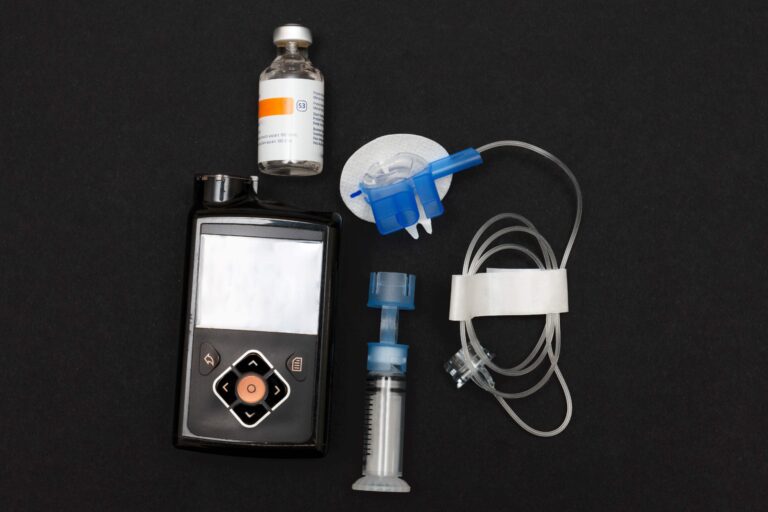
Medical illustration from Vitals Daily

Key Takeaway: In a nationwide database analysis encompassing nearly 231,000 hospitalizations, adults with type 1 diabetes who used an insulin pump had significantly lower rates of 30-day readmission and in-hospital mortality compared to those managed with multiple daily injections. While this observational study demonstrates a robust association rather than direct causation, it makes a compelling case for reevaluating rigid hospital protocols that routinely discontinue outpatient pump therapy.

The Device at the Bedside

Picture a 34-year-old woman admitted through the emergency department in the middle of the night with pneumonia. She has lived with type 1 diabetes since age nine. For the past decade, a compact pump worn at her waist has delivered insulin around the clock, fine-tuned to her circadian rhythm with an intimate precision honed over years of self-management. Yet, hours after arriving on the floor, a well-intentioned nurse informs her that hospital policy mandates disconnecting the pump. She is transitioned to a sliding-scale injection regimen—a reactive approach that treats blood glucose only after it spikes. By dawn, her blood sugar swings erratically from dangerously elevated peaks into a harrowing hypoglycemic trough.

This scenario unfolds daily…

Medically reviewed by

Dr. Şekip Altunkan

Dr. Şekip Altunkan is an internal medicine specialist with extensive clinical experience. He trained at Hacettepe University Faculty of Medicine and later served as an Associate Professor in Internal Medicine. He founded and led the Metropol Internal Medicine and Hypertension Clinic in Ankara, pioneering non-invasive Electron Beam Tomography (EBT) cardiac imaging, arterial-stiffness measurement, and nationwide Holter monitoring. He currently practices at his private clinic in Ankara, focusing on hypertension, vascular health, cholesterol, diabetes and heart disease. He has published widely in national and international journals, serves as a peer reviewer for several international journals, and is the author of the book "Questions and Answers on Hypertension."

Share this article