#cardiology_heart_health

The Hidden Number on Your Heart CT That Predicts Heart Attacks Years Ahead
Medically Reviewed by Dr. Şekip Altunkan on Oct 20, 2026.
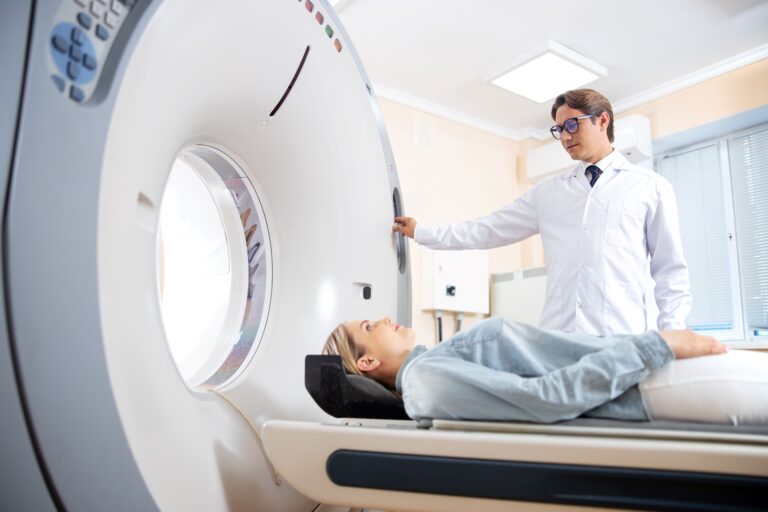
Medical illustration from Vitals Daily

Key Takeaway

A single flow value derived from a routine coronary CT scan independently predicts heart attack and cardiovascular death over 3 years, beyond risk factors and stenosis grading. Values at or below 0.67 flag real danger, and normal flow offers striking reassurance. This is a risk signal, though, not a mandate to stent.

Two Scans, Same Narrowing, Different Futures

Picture two 63-year-olds with chest tightness on exertion. Both undergo coronary CT angiography, and both reports read the same: a moderate narrowing in the left anterior descending artery, graded identically on CAD-RADS. For decades, that shared anatomic verdict would have put them on the same path. Yet one artery delivers blood to the heart muscle almost unimpeded. The other loses pressure across a long, plaque-laden segment. Diameter tells us how a vessel looks, but it says little about how it works. A nationwide English cohort of 7,836 patients now shows that a computed flow value, extracted from the same CT images, separates these 2 futures. The…

Medically reviewed by

Dr. Şekip Altunkan

Dr. Şekip Altunkan is an internal medicine specialist with extensive clinical experience. He trained at Hacettepe University Faculty of Medicine and later served as an Associate Professor in Internal Medicine. He founded and led the Metropol Internal Medicine and Hypertension Clinic in Ankara, pioneering non-invasive Electron Beam Tomography (EBT) cardiac imaging, arterial-stiffness measurement, and nationwide Holter monitoring. He currently practices at his private clinic in Ankara, focusing on hypertension, vascular health, cholesterol, diabetes and heart disease. He has published widely in national and international journals, serves as a peer reviewer for several international journals, and is the author of the book "Questions and Answers on Hypertension."

Share this article