#pharmacology_drug_safety

SGLT2 Inhibitors Nudge Hemoglobin: More Blood or Less Water?
Medically Reviewed by Dr. Şekip Altunkan on Oct 26, 2026.
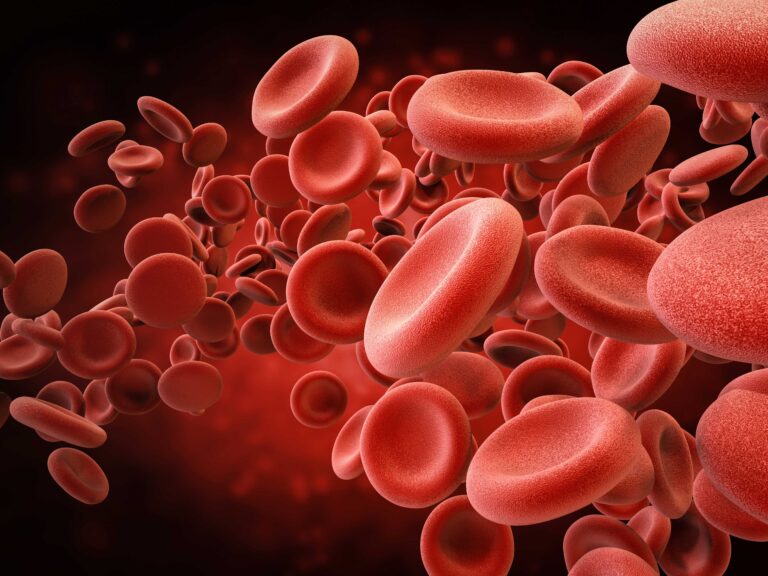
Medical illustration from Vitals Daily

Key Takeaway

Across 85 randomized trials involving 70,543 patients, SGLT2 inhibitors raised hemoglobin by about 0.60 g/dL and hematocrit by about 2.36% more than control treatments. The rise came with higher erythropoietin and lower transferrin saturation, which suggests the body is making more red blood cells. Whether this modest bump changes how patients feel or fare is still unknown.

The Lab Report That Looked Too Good

Picture a 64-year-old man with type 2 diabetes and chronic kidney disease, 3 months into a new prescription for empagliflozin. For years his hemoglobin has hovered around 12.1 g/dL. Today it reads 12.8. He leans forward and asks the obvious question: is my anemia getting better? His physician hesitates, because the honest answer depends on whether he now has more blood, or simply less water carrying it.

That question has followed the SGLT2 inhibitors since their earliest trials. The class includes dapagliflozin, empagliflozin and canagliflozin. These drugs were built to make the kidneys spill sugar into the urine. To everyone’s surprise, they went on to protect the heart and kidneys far beyond what blood sugar control alone could explain. Along the way, a small quirk kept turning up: blood counts crept upward. Early on, most clinicians wrote this off as the drugs’ mild water-pill…

Medically reviewed by

Dr. Şekip Altunkan

Dr. Şekip Altunkan is an internal medicine specialist with extensive clinical experience. He trained at Hacettepe University Faculty of Medicine and later served as an Associate Professor in Internal Medicine. He founded and led the Metropol Internal Medicine and Hypertension Clinic in Ankara, pioneering non-invasive Electron Beam Tomography (EBT) cardiac imaging, arterial-stiffness measurement, and nationwide Holter monitoring. He currently practices at his private clinic in Ankara, focusing on hypertension, vascular health, cholesterol, diabetes and heart disease. He has published widely in national and international journals, serves as a peer reviewer for several international journals, and is the author of the book "Questions and Answers on Hypertension."

Share this article