The Most Potent Diabetes Medicine May Be a Conversation
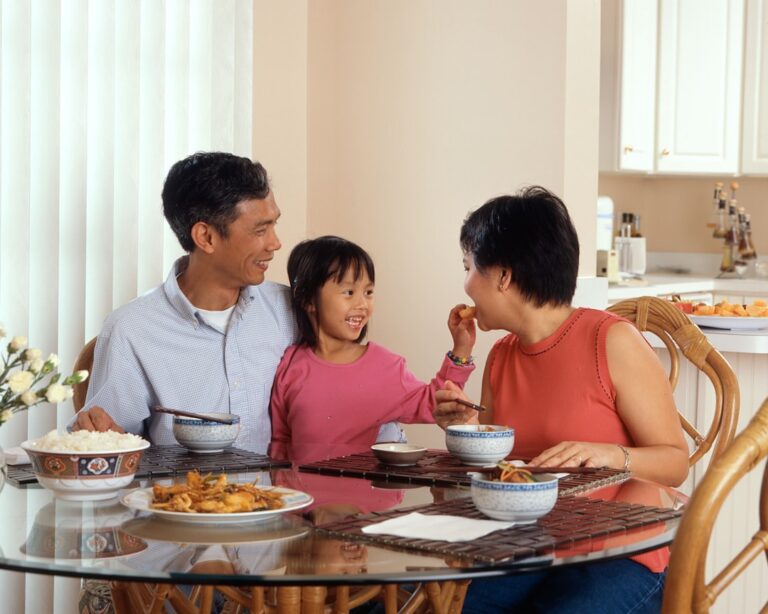
Key Takeaway: A comprehensive cross-sectional study revealed that less than a quarter of rural patients with diabetes had adequate blood sugar control. However, patients with stronger social support networks and higher health literacy fared significantly better. Critically, social support did not just provide emotional comfort; it directly enhanced patients’ ability to understand and act on health information, paving the way for better glycemic outcomes.
Your Ally at the Dinner Table
In the fight against diabetes, a patient’s greatest ally may not be a new drug, but the person sitting next to them at the dinner table. This sentiment may seem unusual. Picture two patients with nearly identical diagnoses familiar to many endocrinologists and diabetes specialists: two patients with nearly identical diagnoses, prescribed the same medication, and given the same dietary recommendations. One returns three months later with an HbA1c of 6.8%, while the other comes in at 9.2%, confused about carbohydrate counting and unsure when to check their blood sugar. More often than not, the difference isn’t due to willpower or intelligence. It’s whether someone at home helped them read the brochure, reminded them to take their medication, or simply asked, “How was your appointment?”
A new study from Western China puts concrete numbers behind this clinical intuition, and its findings have the potential to reshape our approach to diabetes care.
Methodology
A research team conducted a cross-sectional survey with 2,178 diabetes patients living in rural areas of Western China. This study population is particularly telling. Rural communities often face challenges such as limited access to specialist care, lower baseline education levels, and fewer healthcare resources. These conditions make the role of informal support systems even more crucial. The researchers measured three key variables: glycemic control (using HbA1c, the gold-standard blood test reflecting an approximately three-month average blood sugar), social support (the network of family, friends, and community connections the patient could rely on), and health literacy (a patient’s ability to obtain, understand, and use health information to make informed decisions). They then used mediation analysis—a statistical method that traces the pathway through which one factor influences another—to pinpoint exactly how social support and health literacy interact to affect blood sugar.
Findings
The headline figure is sobering: only 22.64% of participants had adequate glycemic control, defined as an HbA1c level below 7.0%. This means that more than three out of every four patients are living with blood sugar levels that put them at high risk for the devastating complications of diabetes, such as nerve damage, kidney disease, vision loss, and cardiovascular events. When you extrapolate this to the entire diabetes population in China, the magnitude of the issue becomes clearer. In short, a vast majority of patients with diabetes, especially in rural areas, are living with high blood sugar.
However, within this grim picture, two factors stood out as powerful predictors of better outcomes:
- Social support was significantly associated with lower HbA1c (β = -0.308, p < 0.001). Patients with stronger family and community support networks had measurably better blood sugar control.
- Health literacy showed an even stronger direct relationship with lower HbA1c (β = -0.353, p < 0.001). The better a patient understood their condition, the better they managed it.
This is where the study gets truly interesting. Social support didn’t just act in isolation. It was strongly linked to higher health literacy (β = 0.471, p < 0.001), and health literacy acted as a mediator—a bridge—between social support and glycemic control. Specifically, health literacy accounted for 35.05% of the total effect of social support on blood sugar. In simpler terms: more than a third of the benefit of having people in your corner comes from how they help you better understand your disease.
The Mechanism: How Relationships Change Biology
To understand why this matters, one must consider what diabetes truly demands of a patient. Type 2 diabetes is not a disease treated passively. It requires daily self-management: monitoring blood glucose, adjusting diet, timing medications, interpreting symptoms, and making dozens of micro-decisions about food, activity, and stress. Each of these decisions rests on a foundation of knowledge: understanding what a carbohydrate is, why a post-meal glucose spike matters, how exercise affects insulin sensitivity, and which symptoms warrant a call to the doctor.
Health literacy is the scaffolding that underpins all of this. Without it, even the best-prescribed treatment regimen collapses. A patient who cannot read a nutrition label, interpret a glucose reading, or distinguish between long-acting and rapid-acting insulin is, no matter how motivated, flying blind.
Social support enters the picture as a catalyst. A spouse who learns to cook lower-glycemic-index meals. A son or daughter who helps translate discharge instructions. A neighbor who takes a walk with you every evening. These relationships don’t just provide emotional warmth; they create a learning environment. They expose patients to health information repeatedly, in a familiar language, and in contexts where they feel safe—rather than in a clinical setting. Over time, this informal education builds the very health literacy that enables better self-management.
At a physiological level, the cascade effects of these relationships are concrete. Better self-management means more consistent blood glucose levels, which reduces the chronic hyperglycemia that drives hemoglobin glycation—the very process HbA1c measures. Less glycation means less oxidative stress on blood vessel walls, less inflammatory signaling, and a slower progression of microvascular and macrovascular complications. The path from a supportive dinner conversation to preserved kidney function is longer than the pharmacokinetic curve of a drug, but it is no less real.
Notable Limitations
This was a cross-sectional study, capturing a single snapshot in time. Such studies can reveal associations but cannot definitively prove that social support causes better glycemic control—the relationship could partially work in reverse, with healthier patients fostering stronger social ties. The study population was from rural Western China, with specific cultural, economic, and healthcare characteristics that may not be directly transferable to other communities. Self-reported measures of social support and health literacy also carry inherent biases. While these findings are compelling, they require confirmation through longitudinal studies and randomized interventions.
Conclusion: What This Means for Patients
For an individual living with diabetes, this research has a clear, actionable message: your support network is not a luxury, but a clinical asset. Inviting a family member to your next doctor’s appointment, joining a diabetes support group, or simply asking a friend to learn about the condition with you are not simple gestures. They are interventions with measurable biological outcomes.
The implications for clinicians are equally clear. Prescribing medication without assessing if the patient can read the label, or giving dietary counseling without asking who cooks the meals at home, is to overlook immense therapeutic potential. The most effective diabetes care plans may be those that treat not just the patient, but the entire household. This principle holds true not only for diabetes but for many chronic diseases, and we as physicians must not forget it.
Modern medicine has dedicated decades to refining molecules. This study reminds us that sometimes the most potent intervention is a conversation, and the most vital prescription is connection. For a loved one or friend who is ill, offering warm support, discussing their condition openly, and gently helping them stay on track is a crucial part of the therapeutic process. In this sense, the findings from this study are profoundly important.
Scientific Sources
- Huang, Yelan, Fu, Guifen, Zhang, Yanping, et al. The mediating role of health literacy in the relationship between social support and glycemic control among rural patients with diabetes in Western China: a cross-sectional SEM study. Frontiers in endocrinology. 2026. PMID: 42244958. [PubMed Link]
- Cross-sectional survey of social support, health literacy, and glycemic control among 2,178 rural patients with diabetes in Western China. (Primary study referenced in article.)
- American Diabetes Association. Standards of Medical Care in Diabetes—2024. Diabetes Care. 2024;47(Suppl 1):S1-S321. [PubMed Link]
- Berkman ND, Sheridan SL, Donahue KE, et al. Low health literacy and health outcomes: an updated systematic review. Ann Intern Med. 2011;155(2):97-107. [PubMed Link]
- Strom JL, Egede LE. The impact of social support on outcomes in adult patients with type 2 diabetes: a systematic review. Curr Diab Rep. 2012;12(6):769-781. [PubMed Link]
- Brownlee M. Biochemistry and molecular cell biology of diabetic complications. Nature. 2001;414(6865):813-820. [PubMed Link]
Medically reviewed by
Dr. Şekip Altunkan
Dr. Şekip Altunkan is an internal medicine specialist with extensive clinical experience. He trained at Hacettepe University Faculty of Medicine and later served as an Associate Professor in Internal Medicine. He founded and led the Metropol Internal Medicine and Hypertension Clinic in Ankara, pioneering non-invasive Electron Beam Tomography (EBT) cardiac imaging, arterial-stiffness measurement, and nationwide Holter monitoring. He currently practices at his private clinic in Ankara, focusing on hypertension, vascular health, cholesterol, diabetes and heart disease. He has published widely in national and international journals, serves as a peer reviewer for several international journals, and is the author of the book "Questions and Answers on Hypertension."