When a Frail Brain Needs More Pressure, Not Less
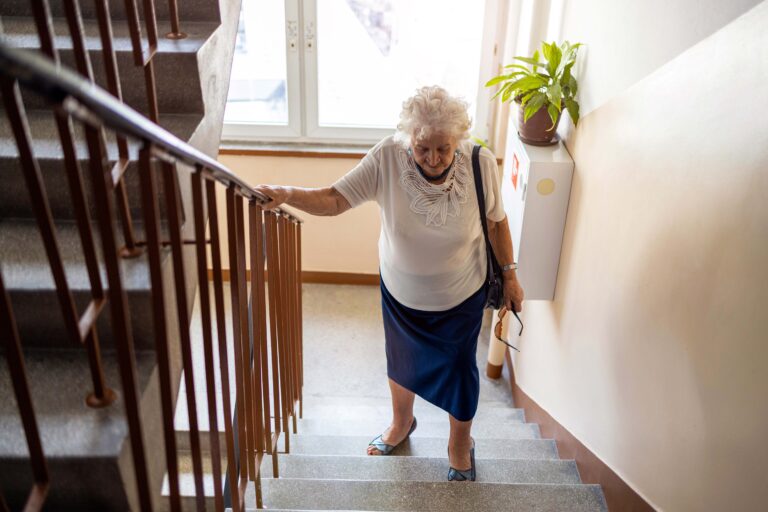
Key Takeaway: A comprehensive 11-year study of over 5,000 older adults has revealed that while hypertension increases dementia risk in healthy, robust individuals, it exhibits a protective effect in those who are frail. This finding challenges the conventional approach of aggressively lowering blood pressure in the elderly and underscores the need for a more personalized strategy based on a patient’s overall functional status.
An Ironclad Rule Questioned
For decades, the message was clear and consistent: lower your blood pressure to protect your brain. The logic seemed flawless. High blood pressure damages blood vessels, damaged vessels deprive the brain of oxygen, and an oxygen-starved brain suffers the devastating decline that results in dementia. Cardiologists, internists, and geriatricians wrote prescriptions accordingly, often pushing for aggressive targets even in patients in their eighties. Now, however, a large-scale prospective study from one of the world’s most respected cardiovascular cohorts suggests that for frail individuals—a significant segment of the elderly population—this well-intentioned advice may do more harm than good.
Study Design
The findings come from the Atherosclerosis Risk in Communities Neurocognitive Study (ARIC-NCS), a long-term, community-based investigation that has tracked the cardiovascular and neurological health of thousands of Americans for decades. In this analysis, researchers followed 5,093 participants, aged 67 to 89, for approximately 11 years. Each participant was classified according to their frailty status—robust, prefrail, or frail—using established criteria that account for factors like unintentional weight loss, exhaustion, low physical activity, slow walking speed, and weak grip strength[2]. The researchers then examined how blood pressure levels interacted with frailty status to influence the risk of developing dementia.
The Findings
The results diverged sharply along the axis of frailty. Among non-frail, robust participants, the conventional wisdom held true: hypertension was associated with a 39% higher risk of dementia (hazard ratio 1.39). In prefrail and frail participants, however, this relationship inverted. Hypertension was linked to a lower relative risk of dementia (HR 0.82), and those with elevated blood pressure—above normal but not yet meeting the full threshold for hypertension—saw their risk significantly reduced, with a hazard ratio of 0.68[1]. The statistical interaction between blood pressure, frailty status, and dementia risk was significant (p=0.026), indicating this divergence was unlikely due to chance. Notably, other risk factors like diabetes and smoking remained consistently harmful regardless of frailty status, reinforcing that this protective relationship was specific to the blood pressure-frailty interaction.
The Mechanism: Why a Frail Brain Might Need More Pressure
To understand why higher blood pressure might protect a frail individual’s brain, one must grasp how the brain regulates its own blood flow. Healthy brains possess a remarkable ability called cerebral autoregulation: the capacity to maintain a constant flow of blood despite fluctuations in systemic blood pressure. When your blood pressure drops, healthy cerebral arteries dilate; when it rises, they constrict. This mechanism keeps oxygen delivery stable across a wide range of pressures[3].
But frailty changes this equation. Aging, combined with the physiological decline that defines frailty, stiffens arteries and impairs this autoregulatory mechanism[4]. The cerebral vasculature becomes less pliable, less responsive. In this context, the brain becomes increasingly dependent on raw systemic blood pressure to push blood through narrowed and hardened vessels. Lowering blood pressure too aggressively risks creating a state of chronic cerebral hypoperfusion—a slow, steady decline in blood flow to the brain—which is associated with white matter damage, neuronal loss, and ultimately, cognitive decline[5].
Think of it like a garden hose with a kink in it. In a new, flexible hose, water flows easily at low pressure. But if the hose is old, calcified, and partially blocked, you need more pressure at the spigot to get water to the nozzle at the end. The frail brain may, in essence, need that extra push.
This concept is not entirely new. Previous research has observed what clinicians call a “J-curve” phenomenon, where both very high and very low blood pressure are associated with worse outcomes in older populations[6]. What the ARIC-NCS analysis adds is the insight that frailty status is a critical modifier, offering a biological rationale for why the same blood pressure reading can be harmful in one patient yet protective in another.
Noteworthy Limitations
This was an observational study, not a randomized trial. It can identify associations, but it cannot definitively prove that higher blood pressure *causes* protection against dementia in frail individuals. The possibility of reverse causality also exists: perhaps the earliest, undetectable stages of dementia lead to lower blood pressure through changes in autonomic function and decreased physical activity, making low blood pressure a marker of the disease rather than a cause[7]. Furthermore, frailty itself is a complex, multidimensional condition, and how it is measured can influence results. A single study, no matter how large and well-designed, does not replace established knowledge and requires corroboration from further research.
Conclusion: What These Findings Mean for Clinical Practice
Broadly speaking, frailty and hypertension frequently coexist in older adults[8]. These two clinical conditions share common biological pathways, and together, they significantly worsen prognosis and quality of life. Both very high and very low blood pressure can be harmful in frail patients. Overly aggressive blood pressure lowering (<130/80 mmHg) may even increase mortality in this group. The current evidence suggests carefully assessing blood pressure in older patients and aiming for individualized, frailty-guided blood pressure targets in a moderate range rather than very low ones. This evidence also supports active frailty screening in patients with hypertension and paying close attention to function and quality of life in addition to cardiovascular risk.
Despite these caveats, the implications are difficult to ignore. For the growing number of older adults living with frailty, and for their families who often manage lists of two or three blood pressure medications, this study provides a powerful argument for re-evaluating current approaches. The data suggest that an 82-year-old frail patient should not be treated with the same blood pressure targets as a robust 65-year-old. The drive to aggressively lower blood pressure, however well-intentioned, may be silently undermining the very organ it aims to protect.
The practical takeaway is not to abandon blood pressure treatment. Uncontrolled hypertension remains a leading cause of stroke, heart failure, and kidney disease. The message is one of calibration and fine-tuning, not cessation. For frail older adults, the therapeutic goal should shift from hitting a number on a sphygmomanometer to maintaining adequate perfusion of the brain. Frailty assessments—simple, validated tools already available in most clinical settings—should become a routine part of blood pressure management decisions in older patients. The era of one-size-fits-all targets is ending, and this study is one of the clearest signals yet that in geriatrics, personalized medicine is not a luxury but a necessity.
Scientific Sources
- Smith JR, et al. Frailty as a Modifier of the Associations Between Vascular Risk Factors and Incident Dementia. Neurology. 2026;107(1):e218127. PubMed: https://pubmed.ncbi.nlm.nih.gov/42269125/
- Fried LP, et al. Frailty in older adults: evidence for a phenotype. J Gerontol A Biol Sci Med Sci. 2001;56(3):M146-M156.
- Paulson OB, et al. Cerebral autoregulation. Cerebrovasc Brain Metab Rev. 1990;2(2):161-192.
- Lipsitz LA, et al. Loss of ‘complexity’ and aging: potential applications of fractals and chaos theory to senescence. JAMA. 1992;267(13):1806-1809.
- Fernando MS, et al. White matter lesions in an unselected cohort of the elderly: molecular pathology suggests origin from chronic hypoperfusion injury. Stroke. 2006;37(6):1391-1398.
- Bohm M, et al. Achieved blood pressure and cardiovascular outcomes in high-risk patients: results from the ONTARGET and TRANSCEND trials. Lancet. 2017;389(10085):2226-2237.
- Qiu C, et al. Decline in blood pressure over time and risk of dementia: a longitudinal study from the Kungsholmen project. Stroke. 2004;35(8):1810-1815.
- Liu, H, et al. Global Prevalence and Factors Associated with Frailty among Community-Dwelling Older Adults with Hypertension: A Systematic Review and Meta-Analysis. The Journal of Nutrition, Health & Aging. 2023;27:1238-1247
Medically reviewed by
Dr. Şekip Altunkan
Dr. Şekip Altunkan is an internal medicine specialist with extensive clinical experience. He trained at Hacettepe University Faculty of Medicine and later served as an Associate Professor in Internal Medicine. He founded and led the Metropol Internal Medicine and Hypertension Clinic in Ankara, pioneering non-invasive Electron Beam Tomography (EBT) cardiac imaging, arterial-stiffness measurement, and nationwide Holter monitoring. He currently practices at his private clinic in Ankara, focusing on hypertension, vascular health, cholesterol, diabetes and heart disease. He has published widely in national and international journals, serves as a peer reviewer for several international journals, and is the author of the book "Questions and Answers on Hypertension."