Diabetic Cardiomyopathy: The Silent Destruction of the Heart Muscle by Sugar
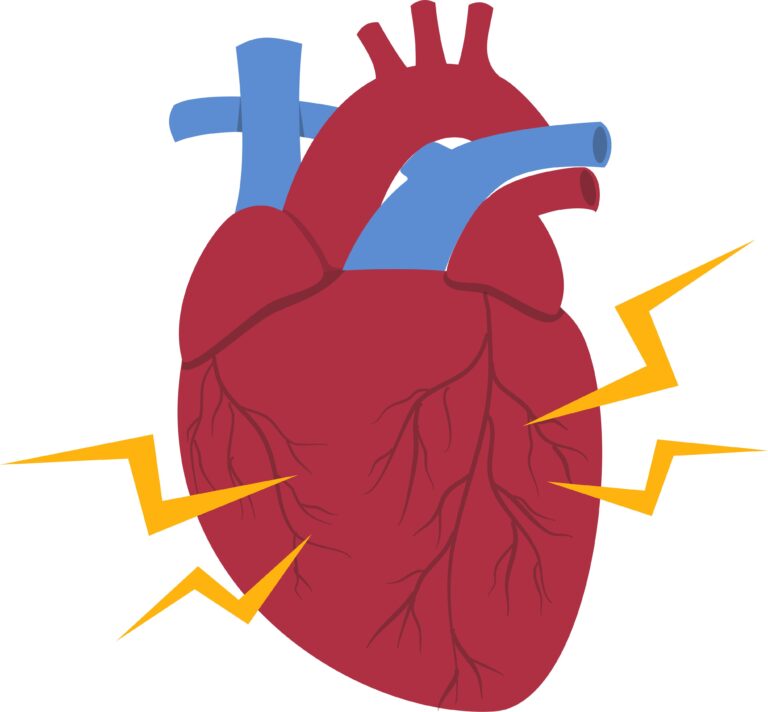
Key Takeaway: Diabetic cardiomyopathy represents a critical clinical paradox where advanced heart failure develops independently of epicardial coronary artery disease, driven by the direct, toxic impact of chronic hyperglycemia on cardiac myocytes. Deprived of efficient glucose utilization, the diabetic heart shifts to a maladaptive overreliance on fatty acids, a lipotoxic fuel source that accelerates mitochondrial dysfunction, fuels oxidative stress, and triggers cardiomyocyte apoptosis. Concurrently, the accumulation of advanced glycation end-products bonds to myocardial collagen, inducing profound structural stiffening that impairs early relaxation and initiates heart failure with preserved ejection fraction. Managing this metabolic storm requires a systemic approach that unites cardiac and renal preservation, heavily leveraging the revolutionary paradigm shift offered by SGLT2 inhibitors and GLP-1 receptor agonists. These next-generation agents transcend simple glucose-lowering by promoting a shift toward efficient ketone metabolism, reducing ventricular preload through renal sodium excretion, and directly dampening structural fibrosis to halt this silent myocardial destruction.
Introduction: Open Arteries, Yet a Fatigued Heart?
One of the most frequent paradoxes we encounter during patient examinations is this: a patient presents with shortness of breath and rapid fatigue. They have diabetes. A coronary angiography is performed, showing arteries that are “clear as crystal.” However, the picture revealed by echocardiography (ECHO)—the ultrasonographic examination of the heart—is entirely different. The heart muscle has stiffened, lost its ability to relax, or its contractile power has diminished.
We call this clinical entity Diabetic Cardiomyopathy (DCM). This disease is characterized by high blood glucose directly attacking the heart muscle cells (cardiomyocytes), independent of any vascular blockages. Sugar does not just corrode the “pipes” (the vessels) of the heart; it rots the very “walls” (the muscles) themselves.
Destruction at the Cellular Level: How Sugar Tires the Heart
In a diabetic patient, the heart muscle becomes unable to use glucose efficiently as fuel. Normally possessing a flexible and dynamic energy cycle, the heart enters a “metabolic dead-end” under the influence of diabetes. Let us briefly discuss these mechanisms:
- Oxidative Stress and Toxic Waste: Constantly elevated glucose levels lead to an increase in waste products known as free radicals within the cell. This damages the mitochondria, the power plants of the heart. A heart muscle with impaired mitochondria works under strain, much like a device with a dying battery.
- Advanced Glycation End-Products (AGEs): Sugar molecules “stick” to the collagen fibers that form the connective tissue in the heart muscle, stiffening them. This impairs the heart’s diastolic (relaxation) function. If the heart cannot fill properly, it cannot pump sufficient blood to the body.
- Insulin Resistance and Fatty Acids: When the heart loses hope in glucose, it attempts to burn excessive amounts of fatty acids. However, this is a “dirty fuel.” It leads to fat accumulation within the cells (lipotoxicity), which triggers programmed cell death (apoptosis) of the heart cells.
- Clinical Presentation: Silent Progression and Heart Failure
Diabetic cardiomyopathy is an insidious disease. Initially, the patient feels nothing. However, as the heart’s “elasticity” decreases, a condition known as Heart Failure with Preserved Ejection Fraction (HFpEF) develops. The patient feels fine while resting but experiences a sensation of weight on their chest when climbing two flights of stairs. If no intervention occurs at this stage, the process rapidly advances toward the final stage: Heart Failure with Reduced Ejection Fraction (HFrEF), where the heart becomes fully dilated and its pumping power is exhausted.
SGLT2 Inhibitors: A Revolution and a Paradigm Shift in Treatment
Until a few years ago, our weapons for protecting the heart in diabetic patients were limited. However, SGLT2 inhibitors (Empagliflozin, Dapagliflozin, etc.) created a “serendipity”—an unexpected positive outcome—rarely seen in medical history. Originally developed solely to increase glucose excretion through the kidneys, these drugs were found to reduce the risk of heart failure by 30-35%.
How do these drugs protect the heart?
- Fuel Efficiency: SGLT2i allows the heart to use “ketone bodies” instead of glucose. Ketones are a more efficient and “cleaner” super-fuel for the heart.
- Reducing the Load: By promoting the excretion of sodium and sugar through urine, they both lower blood pressure and lighten the “volume load” (preload) on the heart.
- Anti-inflammatory Effect: They dampen the vascular inflammation within the heart muscle and slow down the formation of fibrosis (stiffening).
“The Kidney and the Heart: An Inseparable Whole”
I always emphasize this to my patients in the clinic: “Diabetes is not just a rise in blood sugar; it is a metabolic storm affecting all vascular and organ systems.” You cannot heal the heart of a patient with diabetic cardiomyopathy without protecting the kidneys, nor can you improve the kidneys without protecting the heart.
New-generation SGLT2 inhibitors and GLP-1 receptor agonists provide us with this holistic protection. We are no longer just lowering blood sugar; we are saving organs. If you have diabetes and think “there is nothing wrong with my heart,” you must have your heart’s relaxation capacity measured under a physician’s supervision.
Conclusion: Early Diagnosis Saves Lives
Diabetic cardiomyopathy can exhaust your heart even if your coronary arteries are open. However, modern medicine possesses the weapons to stop and even reverse this process. It is possible to prevent this “silent destruction of the heart muscle by sugar” through carbohydrate restriction in the diet, regular physical activity, and the correct choice of medication.
Remember: your heart is the engine of your body, and excess sugar is the primary factor disrupting the fine-tuning of this engine.
Key Clinical Studies & Guidelines Reviewed
- Zelniker TA, et al. SGLT2 inhibitors for primary and secondary prevention of cardiovascular and renal outcomes in type 2 diabetes: a systematic review and meta-analysis of cardiovascular outcome trials. The Lancet. 2019;393(10166):31-39.
- Packer M, et al. (EMPEROR-Preserved Trial): Empagliflozin in Heart Failure with a Preserved Ejection Fraction. New England Journal of Medicine. 2021;385(16):1451-1461.
- Tan Y, et al. Mechanisms of diabetic cardiomyopathy and potential therapeutic strategies: preclinical and clinical evidence. Nature Reviews Cardiology. 2020;17(9):585-607
- McMurray JJV, et al. (DAPA-HF Trial): Dapagliflozin in Patients with Heart Failure and Reduced Ejection Fraction. New England Journal of Medicine. 2019;381(21):1995-2008.
Medically reviewed by
Dr. Şekip Altunkan
Dr. Şekip Altunkan is an internal medicine specialist with extensive clinical experience. He trained at Hacettepe University Faculty of Medicine and later served as an Associate Professor in Internal Medicine. He founded and led the Metropol Internal Medicine and Hypertension Clinic in Ankara, pioneering non-invasive Electron Beam Tomography (EBT) cardiac imaging, arterial-stiffness measurement, and nationwide Holter monitoring. He currently practices at his private clinic in Ankara, focusing on hypertension, vascular health, cholesterol, diabetes and heart disease. He has published widely in national and international journals, serves as a peer reviewer for several international journals, and is the author of the book "Questions and Answers on Hypertension."