Never Too Late: Statins After 75 Slash CV Risk in Diabetes
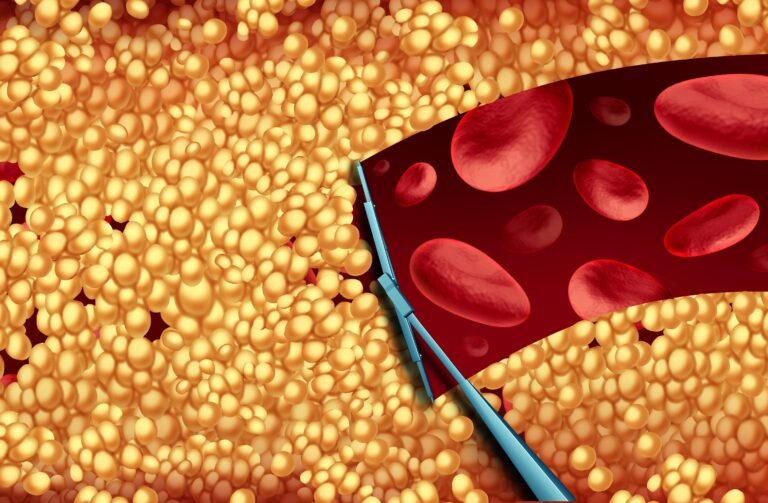
Key Takeaway: A large-scale, real-world study of older adults with type 2 diabetes has revealed that initiating statin therapy after age 75 is associated with a dramatic reduction in the risk of cardiovascular events and death. These benefits were observed to persist even in patients over 85. Crucially, no significant increase in muscle- or liver-related side effects was detected, offering reassurance to both patients and clinicians.
The Lingering Question in the Exam Room
Picture this scenario: a mentally sharp, 78-year-old woman with type 2 diabetes, who lives independently, sits in her doctor’s office. Her blood sugar is under control, she walks about two miles every day, and she has never had a heart attack. Her doctor wants to start her on statin therapy. The patient pauses and asks, “At my age, is it really worth it?” This is a question millions of older adults and their physicians grapple with, and until recently, the data to answer it confidently were lacking. Most of the landmark statin trials excluded participants over the age of 75, creating a massive gap in the evidence chain precisely where the risk is highest[2]. Now, a new, massive-scale study fills that gap, and the answer it provides is a resounding “yes.”
The Research Approach
This study employed a sophisticated approach called target trial emulation. This methodology aims to mimic the results of a randomized controlled trial using electronic health records, without the ethical and logistical hurdles of withholding a potentially life-saving medication from older patients. The researchers identified adults aged 75 and older with type 2 diabetes but no prior history of cardiovascular disease. This makes the study a primary prevention study: it aims to prevent heart attacks and strokes before they happen. The sheer size of the cohort, which included more than 30,000 patients in the 75-84 age group alone, lent considerable statistical power to the analysis.
Findings
The results were striking across all primary endpoints. In patients aged 75 to 84 (n=30,804), statin use was associated with a 31% reduction in the risk of cardiovascular events, such as heart attack and stroke (hazard ratio [HR] 0.69). All-cause mortality, defined as death from any cause, was reduced by 35% in the same group (HR 0.65, p<0.001)[1].
Perhaps more remarkable were the findings in the oldest patients. In individuals aged 85 and over, statin therapy was associated with a 35% reduction in the risk of cardiovascular events (HR 0.65) and a 39% reduction in the risk of death (HR 0.61). These aren’t modest, incremental gains; they are the kind of risk reductions that would be considered groundbreaking in younger populations.
And what about the safety profile? There was no statistically significant increase in muscle-related adverse events—the side effect that most often causes patients to stop statins—or in liver dysfunction. For a population often presumed to be more vulnerable to drug side effects, this is truly reassuring news.
The Biological Rationale Behind the Findings
To understand why these results make biological sense, one must appreciate what diabetes does to blood vessels over decades. Type 2 diabetes accelerates atherosclerosis—the gradual buildup of cholesterol-laden plaques in artery walls—through multiple mechanisms. Chronic high blood sugar damages the endothelium, the delicate inner lining of blood vessels, making it more permeable to LDL cholesterol particles[3]. Diabetes also promotes chronic, low-grade inflammation and oxidative stress, which destabilize plaques and make them more likely to rupture, thereby triggering a heart attack or stroke[4].
Statins intervene at several points in this cascade. Their primary action is to lower circulating LDL levels by inhibiting HMG-CoA reductase, the enzyme responsible for cholesterol synthesis in the liver[5]. But statins also provide benefits beyond cholesterol-lowering, what researchers call “pleiotropic effects.” They reduce vascular inflammation, improve endothelial function, and stabilize existing plaques, making them less prone to rupture[6]. In an older diabetic patient, where all these pathological processes have been quietly progressing for years, statins essentially counter multiple threats at once.
There has long been a concern that older adults metabolize drugs differently, which could increase the risk of side effects. While this is true for some medications, statins have a relatively favorable pharmacokinetic profile in the elderly. The liver’s capacity to process statins appears to be well-preserved in most older patients, which is consistent with the safety data in this study.
Key Limitations
No single study, no matter how large, changes medical practice overnight. This was an observational study, not a randomized controlled trial. While target trial emulation is a rigorous methodology, it cannot completely eliminate confounding factors: it’s possible that patients who were prescribed statins were healthier in ways the data could not capture, a phenomenon known as healthy user bias. Additionally, because the study focused specifically on patients with type 2 diabetes, the findings may not be directly generalizable to older adults without diabetes. Furthermore, adverse events were captured from medical records, which may have led to underreporting of milder symptoms like muscle aches that patients manage on their own without seeking medical care.
What This Study Means for You
For the millions of older adults with type 2 diabetes who have been told, or who believe, they are “too old” for a statin, this study offers a powerful counterargument. Age alone should not be a justification for withholding a potentially life-saving medication. The reductions in cardiovascular events and mortality seen here are consistent and large across a wide spectrum, from age 75 into the mid-80s and beyond.
This study provides strong positive evidence for a dilemma I frequently encounter in my own clinical practice. It is my belief that older patients, if they have an indication, should be offered a statin. If they have diabetes, a statin should undoubtedly be added to their treatment regimen. I have been practicing this for many years, and although this is an empirical observation, I believe my patients have benefited.
If you are over 75, have type 2 diabetes, and are not currently taking a statin, this research shows that a conversation with your physician is extremely valuable. The data suggest the benefits are substantial and the risks appear manageable. For clinicians who have long felt that older diabetic patients deserve preventive therapy as much as younger ones, this study provides the kind of real-world evidence that transforms clinical intuition into confident action. In short, the 78-year-old woman in the exam room now has an answer she can trust.
Scientific Sources
- Chan L, et al. Cardiovascular outcomes and safety associated with statin therapy for primary prevention in older adults with type 2 diabetes: A target trial emulation study. PLoS medicine. 2026;23(6):e1005136. PubMed: https://pubmed.ncbi.nlm.nih.gov/42340940/
- Cholesterol Treatment Trialists’ Collaboration. Efficacy and safety of statin therapy in older people: a meta-analysis of individual participant data from 28 randomised controlled trials. Lancet. 2019.
- Hadi HA, et al. Endothelial dysfunction in diabetes mellitus. Vasc Health Risk Manag. 2007.
- Libby P, et al. Inflammation in atherosclerosis: from pathophysiology to practice. J Am Coll Cardiol. 2009.
- Istvan ES, et al. Structural mechanism for statin inhibition of HMG-CoA reductase. Science. 2001.
- Liao JK, et al. Pleiotropic effects of statins. Annu Rev Pharmacol Toxicol. 2005.
Medically reviewed by
Dr. Şekip Altunkan
Dr. Şekip Altunkan is an internal medicine specialist with extensive clinical experience. He trained at Hacettepe University Faculty of Medicine and later served as an Associate Professor in Internal Medicine. He founded and led the Metropol Internal Medicine and Hypertension Clinic in Ankara, pioneering non-invasive Electron Beam Tomography (EBT) cardiac imaging, arterial-stiffness measurement, and nationwide Holter monitoring. He currently practices at his private clinic in Ankara, focusing on hypertension, vascular health, cholesterol, diabetes and heart disease. He has published widely in national and international journals, serves as a peer reviewer for several international journals, and is the author of the book "Questions and Answers on Hypertension."