MASLD and MASH Management Today: Non-Invasive Fibrosis Staging and Targeted Pharmacotherapy
Key Takeaways
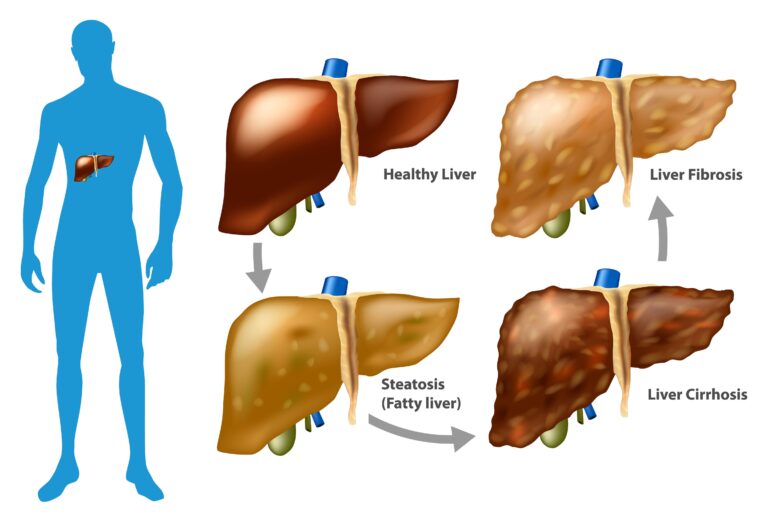
- Although metabolic dysfunction-associated steatotic liver disease currently affects approximately one-third of adults, disease progression is confined to the minority who develop fibrosis. The dominant determinant of both liver-related and all-cause mortality is fibrosis stage, rather than the degree of steatosis or transaminase elevation. Consequently, the primary clinical imperative is to identify stage F2 to F3 “at-risk MASH” within a vast low-risk population without relying on liver biopsy.
- Two distinct pharmacological approaches currently coexist. Liver-targeted thyroid hormone receptor-beta agonism with resmetirom spares cardiac thyroid hormone receptor-alpha and the hypothalamic-pituitary-thyroid axis, while restoring intrahepatic thyromimetic signaling, mitochondrial beta-oxidation, and LDL receptor-mediated clearance. Incretin receptor agonism with semaglutide, tirzepatide, or survodutide exerts a more proximal (upstream) effect primarily via weight loss, enhanced insulin sensitivity, and reduction of adipose lipolytic flux, given that mature human hepatocytes do not express the GLP-1 receptor.
- In primary care, a FIB-4 score below 1.3 reliably excludes advanced fibrosis, whereas values between 1.3 and 2.67 warrant vibration-controlled transient elastography. In this modality, a liver stiffness below 8 kPa excludes advanced fibrosis, and values above 12 kPa rule it in. In patients over 65 years of age, the lower FIB-4 cut-off should be raised to 2.0 to limit false positives.
- Resmetirom is dosed at 80 mg once daily, or 100 mg daily in patients with a body weight of 100 kg or greater, and its use is restricted to non-cirrhotic stage F2 to F3 disease; semaglutide reaches a maintenance dose of 2.4 mg weekly following a 16-week gradual titration. Neither agent is approved for cirrhotic MASH.
- Treatment response should be monitored at 6- to 12-month intervals by assessing serial changes (delta) in ALT and noninvasive tests. Statin doses co-administered with resmetirom should be capped, and patients receiving incretin therapy should be counseled regarding gastrointestinal intolerance, cholelithiasis, and lean mass loss.
Introduction and Clinical Background
The transition in 2023 from the terminology of nonalcoholic fatty liver disease to metabolic dysfunction-associated steatotic liver disease (MASLD) was not merely a cosmetic change. This updated nomenclature reframed the condition from a diagnosis of exclusion into a positively defined metabolic disorder requiring at least one cardiometabolic criterion, thereby aligning hepatology with the cardiometabolic clinics where most of these patients are actually managed. MASLD is estimated to affect more than one-third of adults worldwide, and its progressive necroinflammatory subtype, metabolic dysfunction-associated steatohepatitis (MASH), drives the pathway toward fibrosis, cirrhosis, and hepatocellular carcinoma[1].
The epidemiological challenge is fundamentally a signal-to-noise problem. Although global prevalence estimates cluster around 30%, the subset destined to experience liver-related events is relatively small[2]. Current practice is dominated by two primary failure modes. The first is underdetection: patients with type 2 diabetes, central obesity, and normal aminotransferase levels are never screened, presenting years later with variceal bleeding or an incidentally identified cirrhotic liver on cross-sectional imaging. Normal ALT levels do not rule out advanced fibrosis and offer poor discriminatory value at the individual level. The second failure mode is overreferral: unselected, poorly discriminatory blood-based scores flood hepatology clinics with patients who have simple steatosis and face no meaningful risk of hepatic decompensation.
Until 2024, the therapeutic yield of this diagnostic effort was limited because no pharmacotherapy specifically targeted MASH. This landscape changed with the accelerated approval of resmetirom, an orally administered thyroid hormone receptor-beta selective agonist, for the treatment of non-cirrhotic MASH with moderate to advanced fibrosis[1][3]. Risk stratification has thus become actionable: detecting F2 to F3 fibrosis does not merely inform prognosis, but dictates eligibility for an approved drug.
Guideline harmonization has lagged behind this momentum. A systematic review of 61 guideline documents published between 2018 and January 2025 identified substantial discordance across diagnostic and management domains, necessitating a four-round Delphi consensus process in which all final statements ultimately achieved greater than 90% consensus[4]. Consequently, clinicians practicing on the basis of a single national document may be applying thresholds that differ substantially from those utilized at the neighboring referral center.
Molecular and Pathophysiological Mechanisms
From Lipotoxic Steatosis to Necroinflammation
Hepatic triglyceride accumulation is, in itself, relatively inert. Pathogenicity derives from lipotoxic intermediates—diacylglycerols, ceramides, lysophosphatidylcholine, and free cholesterol—that accumulate when substrate delivery from insulin-resistant adipose tissue and de novo lipogenesis exceed mitochondrial oxidative capacity and VLDL export capacity. These molecules trigger endoplasmic reticulum stress, mitochondrial permeability transition, and hepatocyte apoptosis, leading to the release of damage-associated molecular patterns that recruit monocyte-derived macrophages and activate hepatic stellate cells via TGF-beta and PDGF signaling. Hepatic inflammation is the pivotal event that transitions simple steatosis to steatohepatitis and fibrosis, and it is notable that existing agents, including resmetirom and incretin mimetics, act upstream on metabolic injury rather than directly targeting the inflammatory cascade[2].
Thyroid Hormone Receptor-Beta Agonism
The liver in MASH is functionally hypothyroid at the tissue level due to decreased type 1 deiodinase activity and attenuated intrahepatic triiodothyronine signaling, despite normal circulating thyrotropin levels. Thyroid hormone receptor-beta is the predominant hepatic isoform, governing mitochondrial fatty acid beta-oxidation, mitophagy, sterol regulatory element-binding protein-2-mediated LDL receptor expression, and CYP7A1-dependent conversion of cholesterol to bile acids. Conversely, thyroid hormone receptor-alpha mediates the chronotropic, bone resorptive, and skeletal muscle catabolic effects of thyroid excess. Resmetirom exploits this distinction through both beta-isoform selectivity and first-pass hepatic uptake via organic anion transporting polypeptides, thereby restoring thyromimetic signaling in hepatocytes without measurable cardiac or hypothalamic-pituitary-thyroid axis stimulation. Conceptually, thyroid hormone receptor-beta agonists and fatty acid synthase inhibitors enable the liver to function within an otherwise unchanged toxic metabolic milieu, whereas incretin analogues eliminate the peripheral insult, permitting the liver to heal itself[3].
Incretin Receptor Pharmacology and the Direct-Indirect Action Debate
Because mature human hepatocytes do not express the GLP-1 receptor to a meaningful degree, the hepatic benefit of semaglutide and liraglutide is predominantly indirect: reduced caloric intake and adiposity, lower adipose lipolytic flux, enhanced peripheral and hepatic insulin sensitivity, and diminished de novo lipogenesis. Whether GLP-1 receptor agonists exert a hepatic effect independent of fibrosis or act entirely through weight, insulin resistance, and glycemic control remains not entirely resolved, and this ambiguity underpins the rationale for combining gut hormone agonists with agents that act more directly on fibrogenesis, such as FGF21 analogues and pan-PPAR agonists[5].
Dual and triple agonists impart distinct pharmacological properties to therapy rather than simply delivering more of the same effect. Tirzepatide is an imbalanced and biased dual agonist: receptor occupancy modeling at clinically effective doses demonstrates greater engagement of the GIP receptor than the GLP-1 receptor, and at the GLP-1 receptor, it favors cAMP generation over beta-arrestin recruitment, producing weaker receptor internalization compared with native GLP-1[6]. Survodutide adds glucagon receptor agonism. While this directly enhances hepatic fatty acid oxidation and energy expenditure, it carries the trade-off of potential hyperglycemic and hepatic protein catabolic effects that must be counterbalanced by concurrent GLP-1 receptor activity.
Clinical Evidence and Guideline Comparison
Resmetirom and Histological Endpoints of the MAESTRO-NASH Trial
In the phase 3 MAESTRO-NASH trial, 966 adults with biopsy-confirmed MASH and fibrosis stage F1B, F2, or F3 were randomized 1:1:1 to once-daily resmetirom 80 mg, once-daily resmetirom 100 mg, or placebo. At week 52, MASH resolution without worsening of fibrosis was observed in 25.9% of the 80 mg group, 29.9% of the 100 mg group, and 9.7% of the placebo group (p < 0.001 for both comparisons); the comparison between the 100 mg group and placebo corresponds to an absolute difference of 20.2% and a number needed to treat (NNT) of approximately five[7]. Improvement in fibrosis by at least one stage without worsening of the NAFLD activity score was achieved in 24.2% and 25.9%, respectively, compared with 14.2% in the placebo group, representing an absolute difference of 11.7% and an NNT of approximately nine for the high dose. As a clinically meaningful secondary benefit in this high cardiovascular risk population, LDL cholesterol levels at week 24 decreased from baseline by 13.6% and 16.3% compared with a 0.1% decrease in the placebo group. Serious adverse events were balanced across arms at 10.9%, 12.7%, and 11.5%, whereas diarrhea and nausea occurred more frequently in the active treatment arms.
Semaglutide in the ESSENCE Trial
In the phase 3 ESSENCE trial, 1,197 patients with biopsy-defined MASH and stage 2 or 3 fibrosis were randomized 2:1 to receive subcutaneous semaglutide 2.4 mg weekly or placebo; a planned week 72 interim analysis of the first 800 patients demonstrated steatohepatitis resolution without worsening of fibrosis in 62.9% versus 34.3% in the placebo group (estimated difference 28.7%; 95% CI 21.1 to 36.2; p < 0.001), corresponding to an NNT of approximately four[8]. Fibrosis reduction without worsening of steatohepatitis occurred in 36.8% versus 22.4% in the placebo group (difference 14.4%; 95% CI 7.5 to 21.3). The composite endpoint of resolution plus fibrosis improvement was achieved in 32.7% versus 16.1% in the placebo group (difference 16.5%; 95% CI 10.2 to 22.8). Mean weight change was -10.5% versus -2.0%, and bodily pain scores did not differ. Two observations warrant emphasis: the 34.3% MASH resolution rate in the placebo group is strikingly high, reflecting the protocol-mandated lifestyle intervention, and the concurrence of histological benefit with marked weight loss complicates the attribution of mechanistic causality.
Tirzepatide in the SYNERGY-NASH Trial
In this phase 2 trial, 190 participants with MASH and moderate or severe fibrosis were randomized to receive tirzepatide 5, 10, or 15 mg weekly or placebo, and 157 patients had evaluable biopsies at week 52. Resolution of MASH without worsening of fibrosis occurred in 44%, 56%, and 62%, respectively, compared with 10% in the placebo group (difference of 53% at the 15 mg dose; 95% CI 37 to 69; p < 0.001)[9]. Improvement in fibrosis by at least one stage without worsening of MASH was seen in 55%, 51%, and 51%, compared with 30% in the placebo group; however, the confidence intervals for these differences extend as low as 1%, so although the antifibrotic signal is directionally positive, it remains statistically fragile and was derived from a small phase 2 population.
Comparative Ranking Across Agents
A network meta-analysis of 29 randomized trials comprising 9,324 patients with biopsy-proven MASH ranked pegozafermin, cilofexor plus firsocostat, and cilofexor plus selonsertib highest for fibrosis regression, whereas pegozafermin, survodutide, and tirzepatide ranked highest for MASH resolution without worsening of fibrosis[10]. Resmetirom and semaglutide were significantly superior to placebo across both co-primary endpoints but did not achieve top rankings. These indirect comparisons rely on heterogeneous populations and disparate placebo response rates, and should inform future trial designs rather than guide individual prescribing.
Performance of Non-Invasive Tests
An individual patient data meta-analysis of 37 studies encompassing 5,735 patients, 30% of whom had advanced fibrosis, reported AUROC values for advanced fibrosis of 0.85 for vibration-controlled transient elastography, 0.76 for FIB-4, and 0.73 for the NAFLD Fibrosis Score[11]. Sequential application of 1.3 and 2.67 cut-offs for FIB-4 followed by 8.0 and 10.0 kPa cut-offs for elastography yielded a sensitivity of 66% (95% CI 63 to 68) and a specificity of 86% (95% CI 84 to 87), while leaving 33% of patients requiring a biopsy; a more conservative approach using 3.48 for FIB-4 and 20.0 kPa for elastography reduced the need for biopsy to 19%, but sensitivity dropped to 38%.
Proprietary panels perform better in the indeterminate zone. In the 1,073-patient FNIH-NIMBLE observational cohort, NIS4 achieved an AUROC of 0.81 (95% CI 0.78 to 0.84) for at-risk NASH; the enhanced liver fibrosis (ELF) test, PROC3, and FibroMeter VCTE achieved AUROCs of at least 0.8 for their respective fibrosis endpoints, with ELF and FibroMeter VCTE outperforming FIB-4[12]. Nevertheless, no serum panel has yet replaced histology, and their performance across overlapping definitions of NAFLD, MAFLD, and MASLD remains inadequately validated[13].
Guideline Approaches
The joint EASL-EASD-EASO clinical practice guidelines support case-finding with non-invasive tests in individuals with cardiometabolic risk factors, abnormal liver enzymes, or radiological steatosis, using a tiered strategy of blood scores followed by imaging. The guideline recommends resmetirom for non-cirrhotic MASH with fibrosis stage 2 or higher where locally approved, but explicitly states that no pharmacotherapy can be recommended targeting cirrhotic-stage MASH[14]. The AASLD practice guidance, updated in November 2025, incorporates semaglutide following its August 2025 accelerated approval for MASH with moderate-to-advanced fibrosis, and notes that the combination of resmetirom and weekly semaglutide 2.4 mg has not been studied[15].
Practical Implications and Safety Profile
Who to Screen and Sequential Diagnostic Approach
A case-finding approach should be pursued rather than mass population screening. High-priority phenotypes include type 2 diabetes irrespective of disease duration, obesity with at least one additional metabolic criterion, incidental hepatic steatosis on imaging, and persistent aminotransferase abnormalities. The first tier is the FIB-4 score, calculated from age, AST, ALT, and platelet count. A value below 1.3 excludes advanced fibrosis by virtue of its high negative predictive value, requiring only cardiometabolic optimization and repeat FIB-4 testing every one to three years. In patients older than 65 years, this lower threshold should be raised to 2.0, as age resides in the numerator and false positives otherwise increase. A value above 2.67 or an indeterminate result between thresholds warrants progression to the second tier.
The second tier consists of liver stiffness measurement via transient elastography or, where available, two-dimensional shear wave elastography. A value below 8 kPa effectively rules out advanced fibrosis; 8 to 12 kPa is indeterminate; above 12 kPa is consistent with advanced fibrosis; and values of 20 to 25 kPa in conjunction with a platelet count below 150,000 per microliter indicate clinically significant portal hypertension, mandating variceal screening. When elastography is unavailable or probe failure occurs due to obesity, the ELF test with a cutoff of approximately 9.8 or magnetic resonance elastography with a threshold near 3.6 kPa represent appropriate alternatives. Biopsy is now reserved solely for truly discordant results, suspected alternative etiologies such as autoimmune hepatitis or hemochromatosis, and clinical trial enrollment.
Phenotypic Boundaries and Treatment Selection
Stage F0 to F1 disease requires only lifestyle intervention and comorbidity management. In this context, a 7% to 10% reduction in body weight, a Mediterranean dietary pattern, and 150 to 300 minutes per week of moderate-intensity physical activity should be targeted; although MASLD diagnostic criteria accept alcohol consumption below 20 g/day for women and 30 g/day for men as the upper limit, complete alcohol abstinence represents the clinically safest strategy to prevent hepatic injury and fibrosis progression. Non-cirrhotic MASH stages F2 to F3 represent the window where approved pharmacotherapy is indicated. Compensated cirrhosis (F4) falls outside the indications for both agents and mandates ultrasound-based hepatocellular carcinoma surveillance every six months, whereas decompensated disease prompts evaluation for liver transplantation rather than pharmacologic intervention.
Dosing and Titration
Resmetirom is administered orally at 80 mg once daily for individuals weighing less than 100 kg and 100 mg for those weighing 100 kg or more, with no titration required. Because its hepatic uptake is OATP-mediated, co-administration with strong OATP1B1 or OATP1B3 inhibitors such as cyclosporine or gemfibrozil is contraindicated, and concomitant statin doses must be capped—commonly restricting rosuvastatin and simvastatin to 20 mg daily, and atorvastatin to 40 mg daily. Semaglutide is initiated at 0.25 mg weekly and escalated at four-week intervals through 0.5, 1.0, and 1.7 mg—either doubling or progressively increasing—to reach the target dose of 2.4 mg weekly; titration should proceed more slowly in patients experiencing nausea. Tirzepatide and survodutide remain investigational for this indication.
Monitoring and Safety
Baseline evaluation should include a liver panel, lipid profile, HbA1c, and platelet count. According to AASLD guidelines, semaglutide has demonstrated a favorable hepatic safety profile without requiring treatment discontinuation for liver enzyme elevations, and routine liver panels are recommended only when clinically indicated; proposed response signals at week 72 include an ALT reduction of at least 17 U/L or at least 20%, a decrease in VCTE-measured liver stiffness of at least 30%, an MRE reduction of at least 20%, or an ELF decline of at least 0.5[15]. In clinical practice, ALT and a non-invasive test should be reassessed at months 6 and 12 and annually thereafter; however, it must be borne in mind that no non-invasive test reliably predicts histological response at the individual level.
Regarding incretin-based therapy, a meta-analysis of 55 randomized trials encompassing 106,395 participants demonstrated an increased risk of cholelithiasis (risk ratio 1.46, 95% CI 1.09 to 1.97; corresponding to two additional cases per 1,000 persons) and an increased risk of gastroesophageal reflux disease (risk ratio 2.19, 95% CI 1.48 to 3.25; or four additional cases per 1,000 persons). In contrast, no convincing increase was observed for pancreatitis, gastroparesis, gastrointestinal bleeding, or bowel obstruction[16]. Practical counseling should therefore emphasize transient nausea, constipation, and vomiting during titration; biliary symptoms during rapid weight loss; adequate hydration to avert prerenal acute kidney injury; and resistance training combined with adequate protein intake to mitigate lean mass loss. Resmetirom-associated diarrhea and nausea are generally mild, early-onset, and self-limiting.
Future Perspectives and Open Questions
Three fundamental questions stand out. First, do histological surrogate markers translate into hard clinical outcomes? Both current approvals are accelerated approvals contingent upon long-term data demonstrating reductions in progression to cirrhosis, decompensation, and liver-related mortality. Second, what constitutes the optimal combination? Rational pairing couples a hepatocyte-targeted agent with an agent acting further upstream in the metabolic cascade—such as combining thyroid hormone receptor-beta agonism with incretin receptor agonism, or adding an FGF21 analog like pegozafermin or efruxifermin to a GLP-1 backbone. Yet the incremental efficacy of such combinations must be balanced against cumulative adverse event burdens, drug-drug interactions, and cost, and no such combination has been prospectively evaluated head-to-head against either monocomponent to date[17]. In multi-agonist molecules, the ideal ratio of glucagon or GIP agonism relative to GLP-1 agonism—and indeed whether GIP agonism or antagonism is preferable—remains unresolved.
Third, the field still lacks validated non-invasive tools for patient selection and monitoring treatment response, the validation of which would substantially accelerate drug development by superseding histology as a trial endpoint[1]. Related uncertainties include the true magnitude of the placebo histological response, the minimum duration of drug exposure required for fibrosis regression, and the appropriate clinical endpoints in cirrhotic populations.
Genetic stratification appears to be the most plausible near-term precision medicine advance. PNPLA3 I148M carriers exhibit accelerated fibrogenesis and may respond differentially to liver-targeted versus weight-centric therapies, and hepatocyte-targeted PNPLA3 gene-silencing therapeutics are currently in early-phase clinical development. Immunoregulatory strategies directly targeting the macrophage and T-cell compartments that drive necroinflammation remain largely in preclinical stages. Finally, two pragmatic gaps demand attention: first, the compensated cirrhosis arena, where the therapeutic void is absolute; and second, the implementation domain, where the limiting factor is not pharmacology, but the failure to systematically deploy a two-tiered non-invasive pathway within diabetes and obesity clinics.
References
- Huang DQ, Wong VWS, Rinella ME, Boursier J, Lazarus JV, Yki-Järvinen H, et al. Metabolic dysfunction-associated steatotic liver disease in adults. Nat Rev Dis Primers. 2025;11(1):14. doi:10.1038/s41572-025-00599-1. PubMed
- He Y, Chen Y, Qian S, van Der Merwe S, Dhar D, Brenner DA, et al. Immunopathogenic mechanisms and immunoregulatory therapies in MASLD. Cell Mol Immunol. 2025;22(10):1159-1177. doi:10.1038/s41423-025-01307-5. PubMed
- Do A, Zahrawi F, Mehal WZ. Therapeutic landscape of metabolic dysfunction-associated steatohepatitis (MASH). Nat Rev Drug Discov. 2025;24(3):171-189. doi:10.1038/s41573-024-01084-2. PubMed
- Younossi ZM, Zelber-Sagi S, Lazarus JV, Wong VW, Yilmaz Y, Duseja A, et al. Global Consensus Recommendations for Metabolic Dysfunction-Associated Steatotic Liver Disease and Steatohepatitis. Gastroenterology. 2025;169(5):1017-1032.e2. doi:10.1053/j.gastro.2025.02.044. PubMed
- Newsome PN, Ambery P. Incretins (GLP-1 receptor agonists and dual/triple agonists) and the liver. J Hepatol. 2023;79(6):1557-1565. doi:10.1016/j.jhep.2023.07.033. PubMed
- Willard FS, Douros JD, Gabe MB, Showalter AD, Wainscott DB, Suter TM, et al. Tirzepatide is an imbalanced and biased dual GIP and GLP-1 receptor agonist. JCI Insight. 2020;5(17):e140532. doi:10.1172/jci.insight.140532. PubMed
- Harrison SA, Bedossa P, Guy CD, Schattenberg JM, Loomba R, Taub R, et al. A Phase 3, Randomized, Controlled Trial of Resmetirom in NASH with Liver Fibrosis. N Engl J Med. 2024;390(6):497-509. doi:10.1056/NEJMoa2309000. PubMed
- Sanyal AJ, Newsome PN, Kliers I, Østergaard LH, Long MT, Kjær MS, et al. Phase 3 Trial of Semaglutide in Metabolic Dysfunction-Associated Steatohepatitis. N Engl J Med. 2025;392(21):2089-2099. doi:10.1056/NEJMoa2413258. PubMed
- Loomba R, Hartman ML, Lawitz EJ, Vuppalanchi R, Boursier J, Bugianesi E, et al. Tirzepatide for Metabolic Dysfunction-Associated Steatohepatitis with Liver Fibrosis. N Engl J Med. 2024;391(4):299-310. doi:10.1056/NEJMoa2401943. PubMed
- Souza M, Al-Sharif L, Antunes VLJ, Huang DQ, Loomba R. Comparison of pharmacological therapies in metabolic dysfunction-associated steatohepatitis for fibrosis regression and MASH resolution: Systematic review and network meta-analysis. Hepatology. 2025;82(6):1523-1533. doi:10.1097/HEP.0000000000001254. PubMed
- Mózes FE, Lee JA, Selvaraj EA, Jayaswal ANA, Trauner M, Boursier J, et al. Diagnostic accuracy of non-invasive tests for advanced fibrosis in patients with NAFLD: an individual patient data meta-analysis. Gut. 2022;71(5):1006-1019. doi:10.1136/gutjnl-2021-324243. PubMed
- Sanyal AJ, Shankar SS, Yates KP, Bolognese J, Daly E, Dehn CA, et al. Diagnostic performance of circulating biomarkers for non-alcoholic steatohepatitis. Nat Med. 2023;29(10):2656-2664. doi:10.1038/s41591-023-02539-6. PubMed
- Abdelhameed F, Kite C, Lagojda L, Dallaway A, Chatha KK, Chaggar SS, et al. Non-invasive Scores and Serum Biomarkers for Fatty Liver in the Era of Metabolic Dysfunction-associated Steatotic Liver Disease (MASLD): A Comprehensive Review From NAFLD to MAFLD and MASLD. Curr Obes Rep. 2024;13(3):510-531. doi:10.1007/s13679-024-00574-z. PubMed
- European Association for the Study of the Liver (EASL), European Association for the Study of Diabetes (EASD), European Association for the Study of Obesity (EASO). EASL-EASD-EASO Clinical Practice Guidelines on the management of metabolic dysfunction-associated steatotic liver disease (MASLD). J Hepatol. 2024;81(3):492-542. doi:10.1016/j.jhep.2024.04.031. PubMed
- Bansal MB, Patton H, Morgan TR, Carr RM, Dranoff JA, Allen AM. Semaglutide therapy for metabolic dysfunction-associated steatohepatitis: November 2025 updates to AASLD Practice Guidance. Hepatology. 2026;83(5):1326-1340. doi:10.1097/HEP.0000000000001608. PubMed
- Chiang CH, Jaroenlapnopparat A, Colak SC, Yu CC, Xanthavanij N, Wang TH, et al. Glucagon-Like Peptide-1 Receptor Agonists and Gastrointestinal Adverse Events: A Systematic Review and Meta-Analysis. Gastroenterology. 2025;169(6):1268-1281. doi:10.1053/j.gastro.2025.06.003. PubMed
- Newsome PN, Loomba R. Therapeutic horizons in metabolic dysfunction-associated steatohepatitis. J Clin Invest. 2025;135(13):e186425. doi:10.1172/JCI186425. PubMed
Medically reviewed by
Dr. Şekip Altunkan
Dr. Şekip Altunkan is an internal medicine specialist with extensive clinical experience. He trained at Hacettepe University Faculty of Medicine and later served as an Associate Professor in Internal Medicine. He founded and led the Metropol Internal Medicine and Hypertension Clinic in Ankara, pioneering non-invasive Electron Beam Tomography (EBT) cardiac imaging, arterial-stiffness measurement, and nationwide Holter monitoring. He currently practices at his private clinic in Ankara, focusing on hypertension, vascular health, cholesterol, diabetes and heart disease. He has published widely in national and international journals, serves as a peer reviewer for several international journals, and is the author of the book "Questions and Answers on Hypertension."