VitalsDaily.com
#longevity_lifestyle

The Silent Drain: How Fatty Liver Erodes Vitality After 70

Medically Reviewed by Dr. Şekip Altunkan on Aug 11, 2026.
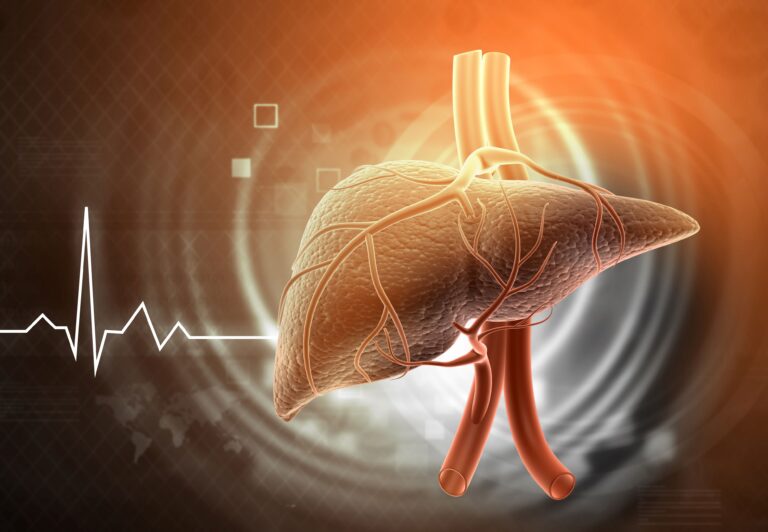
Medical illustration from Vitals Daily

Key Takeaway: In a study of nearly 9,000 Australians aged 70 and older, metabolic dysfunction-associated steatotic liver disease (MASLD) was linked to a slow but measurable decline in physical quality of life over five years. While this effect is modest at the individual level, it carries significant weight on a population scale, particularly for women and those already experiencing frailty.

The Insidious Condition

Imagine a woman in her mid-seventies. She gardens on weekends, walks to the shops most mornings, and considers herself reasonably healthy. She is unaware that fat has been silently accumulating in her liver for years; there is no pain, no jaundice, no obvious warning sign. Yet, over the next five years, she notices something subtle: her walks get shorter, the rows in her vegetable garden shrink, and the stairs feel a bit more challenging. She attributes it to old age. But what if her liver has been whispering a different story all along?

This is the central question raised by a large, long-term study conducted in Australia. By following thousands of older adults, the research reveals that metabolic fatty liver disease, even in its silent form, is associated with a gradual erosion of physical well-being.

How the Study Was Conducted

The study included 8,880 community-dwelling Australians aged 70 and older, who were followed for a median of 5.5 years. Researchers identified MASLD, formerly known as non-alcoholic fatty liver disease (NAFLD), using the Fatty Liver Index, a validated scoring tool based on body mass index, waist circumference, triglycerides, and a liver enzyme called gamma-glutamyl transferase[2]. To meet the definition of MASLD, participants also had to fulfill specific cardiometabolic criteria, such as diabetes, high blood pressure, or abnormal lipid levels.

Physical quality of life was measured repeatedly throughout the follow-up period using the physical component summary (PCS) score of the SF-12 questionnaire, an established tool for measuring a person’s self-perceived physical functionality[3].

The study’s methodological strength comes from the long-term follow-up data spanning 9 years from the ASPREE (ASPirin in Reducing Events in the Elderly) clinical trial and its extension, ASPREE-XT, along with the ALSOP (ASPREE Longitudinal Study of Older Persons) sub-cohort. The 8,880 participants included in the analysis (mean age 75.0) were initially selected from independently living individuals in the community without dementia, significant cardiovascular disease, or severe physical disability. MASLD was diagnosed using the Fatty Liver Index (FLI ≥ 60), which combines BMI, waist circumference, triglycerides, and GGT levels; after excluding secondary causes of steatosis (excessive alcohol use, steatogenic drugs like tamoxifen or systemic glucocorticoids), the diagnosis was confirmed by the presence of at least one cardiometabolic comorbidity such as hypertension (82.7%), type 2 diabetes (16.9%), or obesity (66.4%). In the longitudinal data analysis, Generalized Estimating Equations (GEE) models were used to accurately assess the dependent variables from repeated SF-12 measurements over time; critical confounding factors such as cognitive function (3MS score), polypharmacy (32.3%), and frailty level according to the Fried phenotype were statistically controlled.

Key Findings

Participants with MASLD at baseline were found to have a lower and progressively declining PCS score compared to those without the condition; the average difference over the study period was -1.3 points[1]. This decline was not dramatic on an individual chart, as it fell below the minimal clinically important difference (MCID) of 4.2 points—the threshold at which a single patient would likely notice a meaningful change in their daily life. However, the association was statistically significant, and when you multiply this small change by millions of aging adults, its implications become considerable.

Longitudinal GEE modeling confirmed that the presence of MASLD at baseline was associated with a persistent and worsening decline in physical health scores (PCS) by an average of -1.3 points (95% CI: -1.8 to -0.9; p < 0.0001). The statistical interaction between MASLD and time (p = 0.0233) indicates that this physical decline was not random but followed a negative trajectory over time. Although the mental health score (MCS) showed no significant difference between groups on average (p = 0.208), the time-interaction analysis (p = 0.0023) revealed that mental well-being experienced non-linear, fluctuating, and occasionally pronounced deteriorations. In sensitivity analyses excluding the indeterminate group (FLI 30-60), the decline in mental scores among MASLD patients over time also became significant (p = 0.0008).

Two subgroups stood out. The link between MASLD and declining physical health was stronger in women and in individuals who were already frail. These are the populations most vulnerable to the cascading consequences of even small functional losses: a simple stumble can become a fall, a fall a fracture, and a fracture a hospital bed.

To elaborate on this important point: subgroup analyses statistically prove how determinant physiological reserve is. The detrimental effect of MASLD on physical function was significantly greater in women than in men (-2.1 points vs. -0.9 points, interaction p < 0.0001). Similarly, while the PCS decline was -1.25 points in robust individuals at baseline, it reached -1.90 points in prefrail individuals and a clinically striking level of -2.97 points in those who were frail (interaction p < 0.0001). In other words, for about 3 out of every 100 frail older adults whose systemic buffers are already depleted, the chronic metabolic burden reaches a level that directly threatens their independent mobility.

Why the Liver Matters for the Entire Body

To understand how fat in the liver can slowly erode physical vitality, one must appreciate the liver’s role as the body’s metabolic command center. It regulates blood sugar, processes fats, produces proteins essential for clotting and immunity, and detoxifies an astonishing array of substances every hour of every day.

When excess fat, the hallmark of MASLD, infiltrates liver cells, it triggers a low-grade chronic inflammatory cascade. Hepatocytes, the workhorse cells of the liver, begin to release pro-inflammatory cytokines like interleukin-6 and tumor necrosis factor-alpha into the bloodstream[4]. This systemic inflammation is not confined to the liver. It reaches skeletal muscle, accelerating a process called sarcopenia, the age-related loss of muscle mass and strength[5]. It stiffens blood vessels, worsens insulin resistance, and fuels the very metabolic dysfunction that caused the liver problem in the first place.

The relationship between fatty liver and physical and mental vitality is not solely due to hepatocyte stress. Once excessive lipid accumulation and lipotoxicity develop in hepatocytes (the primary functional cells of the liver), the liver’s resident immune cells, Kupffer cells, and infiltrating macrophages become activated. It is these immune cells, along with dysfunctional adipocytes in visceral adipose tissue, that truly ignite the storm of pro-inflammatory cytokines like interleukin-6 and tumor necrosis factor-alpha, releasing them into systemic circulation. This circulating inflammation reaches skeletal muscle, accelerating age-related muscle loss (sarcopenia).

Furthermore, the recently defined “Liver-Brain Axis” explains how this low-grade chronic inflammation and systemic insulin resistance can trigger neuroinflammation and cerebrovascular aging. Gut dysbiosis and altered hepatic signaling lay the groundwork for fluctuating losses in psychological resilience (the non-linear deteriorations in MCS scores) in the central nervous system. In women, increased visceral adiposity following the loss of estrogen’s protective effect in the post-menopausal period accelerates both this neuro-endocrine axis and muscle mass loss, explaining at a cellular level why female patients are twice as vulnerable to a decline in physical capacity.

In older adults, this creates a vicious cycle. MASLD impairs metabolic health, metabolic dysfunction increases muscle loss and fatigue, and declining physical activity worsens fat accumulation in the liver. The result is not a single catastrophic event, but a slow, steady depletion of physical reserve—the very pattern captured by the declining PCS scores in this study.

The stronger association in women may reflect sex-based differences in body composition and post-menopausal hormonal shifts that accelerate both visceral fat deposition and muscle loss[6]. For frail individuals, the explanation is simpler: they have less physiological buffer to absorb even a modest metabolic blow.

Noteworthy Limitations

No single study rewrites clinical practice, and this one has important caveats. MASLD was defined using an indirect index rather than imaging or biopsy, meaning some cases were likely misclassified. The participant group was comprised of mostly healthy, community-dwelling older adults—the results might differ in populations with more advanced liver disease or a greater burden of comorbidities. And while the longitudinal design is a strength, the observed effect size was small enough that its clinical significance at an individual level remains debatable. As always, association does not imply causation.

Despite the strong data presented by the study, there are methodological limitations to consider in clinical assessment. First, diagnosing MASLD with an indirect index (FLI) that includes BMI and waist circumference, rather than direct tissue imaging like liver biopsy or elastography (FibroScan), may make it difficult to fully separate the independent physical restrictive effect of obesity itself from that of liver disease. Second, the SF-12 scale is a general health questionnaire; it may be insufficient to capture specific symptoms of MASLD such as fatigue, malaise, or mild cognitive slowing. Finally, over the long 9-year follow-up, the possibility that more frail participants and those with severe chronic illness were more likely to drop out or pass away could have led to “survivor bias” in the data; this might have caused the detected effect size to appear more modest than it actually is.

What This Means for Clinical Practice

The ultimate message here is not that fatty liver disease will suddenly rob you of your independence. The message is more subtle, and arguably more important. MASLD is a barometer of metabolic health, and in older adults, metabolic health is the foundation upon which physical resilience is built. A liver that is quietly accumulating fat is a signal that something broader is amiss: insulin resistance, chronic inflammation, altered body composition.

For clinicians caring for older patients, this study supports the case for incorporating metabolic liver health into routine geriatric assessment—not as a standalone alarm, but as a data point in the mosaic of healthy aging. For patients, the actionable takeaway is familiar but vital: regular physical activity, attention to metabolic risk factors like blood sugar and triglycerides, and maintenance of a healthy weight remain the most powerful tools for preserving both liver health and physical function well into the eighth and ninth decades of life. The decline this study documents is gradual. That means the window of opportunity for intervention, if we choose to look through it, is wide.

These data necessitate a paradigm shift in geriatrics, cardiology, and nephrology practices. The presence of MASLD in an older patient requires not just monitoring of liver enzymes, but the inclusion of routine geriatric functional screenings—including Fried frailty criteria, gait speed, and muscle mass assessments—into the treatment protocol. Particularly in cases of MASLD accompanied by type 2 diabetes (16.9%) or hypertriglyceridemia (21.5%), resistance exercises aimed at preserving physical independence and longitudinal mental health follow-ups should be structured as an integrated care model alongside metabolic control.


Scientific Sources

  1. Nasr Azadani M, et al. Associations between metabolic dysfunction-associated steatotic liver disease and physical and mental health-related quality of life in older adults. GeroScience. 2026. PubMed: https://pubmed.ncbi.nlm.nih.gov/42570193/
  2. Bedogni G, et al. The Fatty Liver Index: a simple and accurate predictor of hepatic steatosis in the general population. BMC Gastroenterol. 2006. DOI: 10.1186/1471-230X-6-33
  3. Ware J, et al. A 12-Item Short-Form Health Survey: construction of scales and preliminary tests of reliability and validity. Med Care. 1996. DOI: 10.1097/00005650-199603000-00003
  4. Tilg H, et al. Cytokines in alcoholic and nonalcoholic steatohepatitis. N Engl J Med. 2000. DOI: 10.1056/NEJM200011163432007
  5. Dasarathy S, et al. Sarcopenia from mechanism to diagnosis and treatment in liver disease. J Hepatol. 2016. DOI: 10.1016/j.jhep.2016.07.040
  6. Lonardo A, et al. Sex differences in nonalcoholic fatty liver disease: state of the art and identification of research gaps. Hepatology. 2019. DOI: 10.1002/hep.30626

Medically reviewed by

Dr. Şekip Altunkan

Dr. Şekip Altunkan is an internal medicine specialist with extensive clinical experience. He trained at Hacettepe University Faculty of Medicine and later served as an Associate Professor in Internal Medicine. He founded and led the Metropol Internal Medicine and Hypertension Clinic in Ankara, pioneering non-invasive Electron Beam Tomography (EBT) cardiac imaging, arterial-stiffness measurement, and nationwide Holter monitoring. He currently practices at his private clinic in Ankara, focusing on hypertension, vascular health, cholesterol, diabetes and heart disease. He has published widely in national and international journals, serves as a peer reviewer for several international journals, and is the author of the book "Questions and Answers on Hypertension."
Share this article