#public_health_policy

Rewiring the Salt Shaker: Potassium’s Path to Every Kitchen
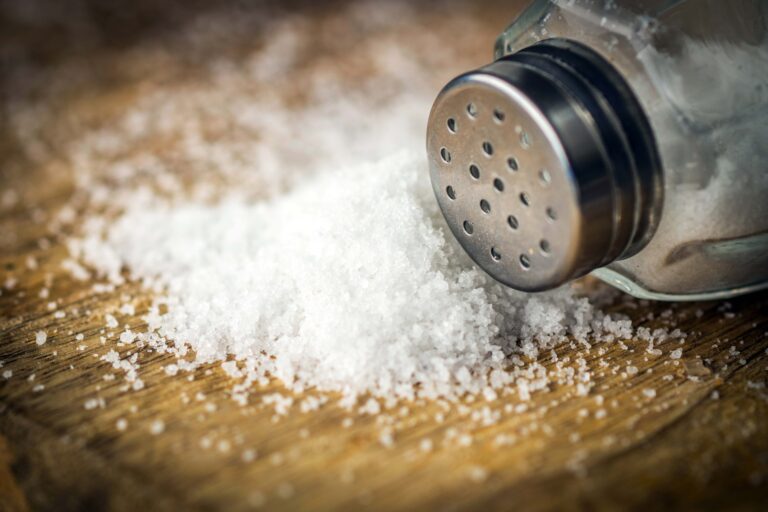
Medically Reviewed by Dr. Şekip Altunkan on Oct 23, 2026.
Medical illustration from Vitals Daily

Key Takeaway

Average sodium intake worldwide runs at more than twice the World Health Organization’s limit of 2 grams per day, and replacing part of ordinary table salt with potassium chloride lowers blood pressure and cardiovascular risk. A new international research agenda published in Hypertension maps what still has to be answered before this inexpensive swap can reach billions of kitchens. The most pressing open question is safety for people whose kidneys struggle to clear potassium.

The Most Dangerous Thing on the Kitchen Table

Picture a 62-year-old man in a farming village. He has never smoked, he walks everywhere, and he has never been to a cardiologist. Every day, though, he cooks with a heaping spoonful of salt, the way his mother did. One morning his right hand stops answering him. His wife thinks he is tired. By afternoon, the stroke has already done its damage.

That story repeats itself millions of times a year, and much of it begins in the salt dish. Across the globe, people consume more than double the WHO’s recommended ceiling of 2 grams of sodium per day[1]. High blood pressure, the condition that salt drives most directly,…

Medically reviewed by

Dr. Şekip Altunkan

Dr. Şekip Altunkan is an internal medicine specialist with extensive clinical experience. He trained at Hacettepe University Faculty of Medicine and later served as an Associate Professor in Internal Medicine. He founded and led the Metropol Internal Medicine and Hypertension Clinic in Ankara, pioneering non-invasive Electron Beam Tomography (EBT) cardiac imaging, arterial-stiffness measurement, and nationwide Holter monitoring. He currently practices at his private clinic in Ankara, focusing on hypertension, vascular health, cholesterol, diabetes and heart disease. He has published widely in national and international journals, serves as a peer reviewer for several international journals, and is the author of the book "Questions and Answers on Hypertension."

Share this article